

Thinking about adding a smokeless fire pit to your backyard? Before making that purchase, it pays to know what owning one is actually like. While these fire pits have gained massive popularity for promised smoke-free evenings, there are several practical details manufacturers don't prominently advertise.
Here is a straightforward look at how smokeless fire pits perform in real-life conditions, followed by a safer, lower-maintenance alternative for your patio setup.
1. "Smokeless" Simply Means Less Smoke

Despite the marketing claims, no wood-burning pit eliminates smoke completely. Smoke is unavoidable when burning wood—especially during ignition or before the pit reaches peak temperature. You'll only get that high-efficiency, reduced-smoke flame once the internal chamber is thoroughly heated, using dry wood of the right dimensions, filled to the proper level.
2. Fuel Type Makes or Breaks the Experience

The wood you throw into the pit directly impacts performance:
- Recommended Hardwoods: Oak, ash, hickory, maple, and birch burn hotter, last longer, and create a solid bed of coals necessary to sustain proper airflow.
- Softwoods to Avoid: Pines, spruces, cedars, and firs burn too rapidly, leave behind thick ash instead of coals, and coat the interior metal with sticky resin residue.
- Dryness & Size: Wood should be seasoned (below 20% moisture content) and split into reasonable sizes—roughly forearm thickness—to avoid choking the fire and causing excess smoke.
3. Log Placement Matters for Thermal Airflow

To get the most out of the secondary combustion system, placement is key. Once the fire is fully caught, pushing the burning logs outward toward the inner walls helps heat the rising air in the double-wall system. Additionally, keeping all logs strictly below the top vent holes is crucial; any wood extending past that line will smoke unabated.
4. Size Has a Bigger Cost Impact Than You Think

Choosing a larger model isn't just about fitting more friends around the rim—it directly dictates your fuel consumption. Larger chambers require significantly more wood to maintain the high internal temperature required for secondary combustion. Keeping a 24-inch or larger unit burning smoke-free requires feeding it several fresh logs every 15 to 20 minutes.
5. Rain and Water Create Clogging Hassles

Extinguishing or exposing a wood fire pit during a sudden downpour creates maintenance headaches. Putting a tight lid over an intense fire can warp the metal, while letting rain mix with ash inside forms a cement-like paste that clogs the bottom air vents. Cleaning out dried ash slurry requires thorough pressure washing before your next use.
6. Seating Height Directly Affects How Warm You Feel
Because smokeless fire pits channel heat upward through double-walled airflow, heat radiates mostly vertically rather than outward. Standing next to one provides plenty of warmth, but sitting low in angled patio chairs (like Adirondacks) means much of that heat rises right past your legs and feet.
7. Cooking Is Surprisingly Difficult
While roasting marshmallows or hot dogs seems natural, the intense localized heat produced by secondary combustion makes open-fire cooking tricky. Marshmallows burn instantly and hot dogs char in seconds. If you want to cook over a smokeless pit, it's best to wait until the flames die down into embers.
8. Deck Safety Requires Extra Caution
Even if a model includes a heat shield base for deck placement, real wood fires pop and snap unpredictably. Flying sparks and drifting embers can easily land on composite decking or outdoor furniture. While spark screens help, using a wood-burning pit on wooden or composite decks always carries an element of risk if left unattended.
9. You're Paying Premium for the Overall Experience
Compared to basic metal fire bowls or stone rings, smokeless fire pits carry a higher price tag. What you are buying is the luxury of sitting around a fire without constantly shifting seats to dodge smoke, avoiding that lingering campfire smell on clothes and hair, and skipping an immediate late-night shower.
Looking for a Safer, Cleaner Backyard Option?
While wood-burning smokeless fire pits offer a classic rustic feel, they still demand constant wood management, ash cleanup, and careful monitoring near wooden structures.
If you prefer an effortless, clean, and worry-free outdoor heating setup, a Propane Fire Pit offers a compelling alternative.
Learn more: Gas Fire Pit vs Wood Fire Pit: Which One Is Better for Outdoor Patios?

Why Choose Propane?
- Enhanced Safety: Zero popping embers or floating sparks, making it far safer around patio decks, outdoor furniture, and kids.
- Instant Control: Turn the heat on or off with a simple knob, letting you fine-tune flame height without waiting for wood to burn down.
- Zero Ash or Smoke: Enjoy pure warmth without lingering smoke odors or post-fire cleanup.
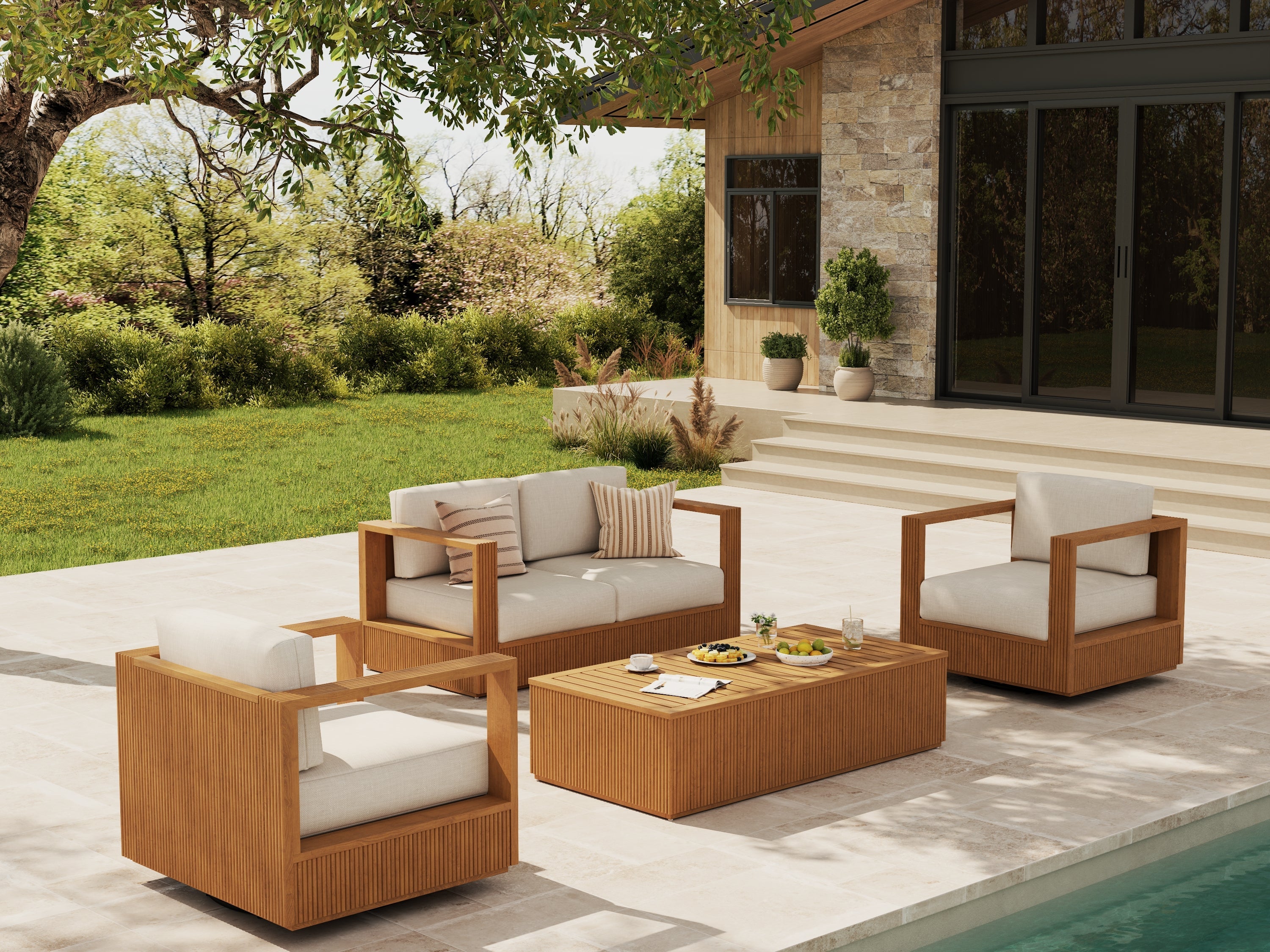
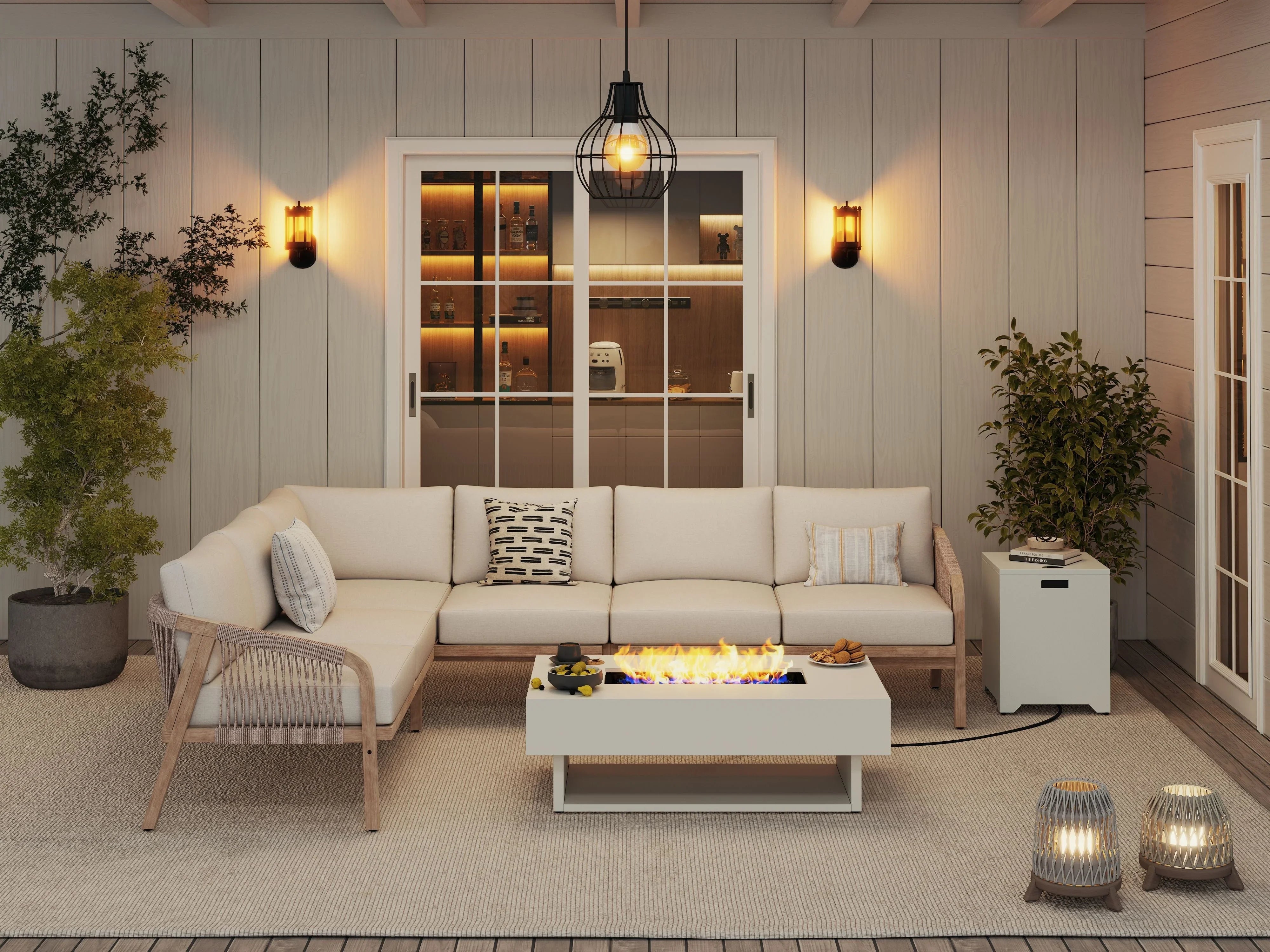
Pairing a sleek Propane Fire Pit gives you rich warmth while neatly concealing the propane tank out of sight. Combine it with a stylish Patio Set with Fire Pit to build a cozy, low-maintenance outdoor lounge perfect for evening entertaining. You can also learn How to Choose the Right Patio Set with Fire Table? here.