
Choosing the right material is one of the most critical decisions when buying an extendable outdoor dining table. Because an extendable table relies on sliding tracks, internal hinges, and adjustable panels, the frame material must withstand harsh weather without warping, binding, or rusting over time.
The ideal material depends on your primary goals: natural appearance, low maintenance, weight, climate resilience, or overall patio aesthetic. Below is a comprehensive breakdown of the most popular outdoor materials—including aluminum, natural woods, and mixed-material designs—to help you decide which is best for your backyard.
1. Aluminum Extendable Dining Tables

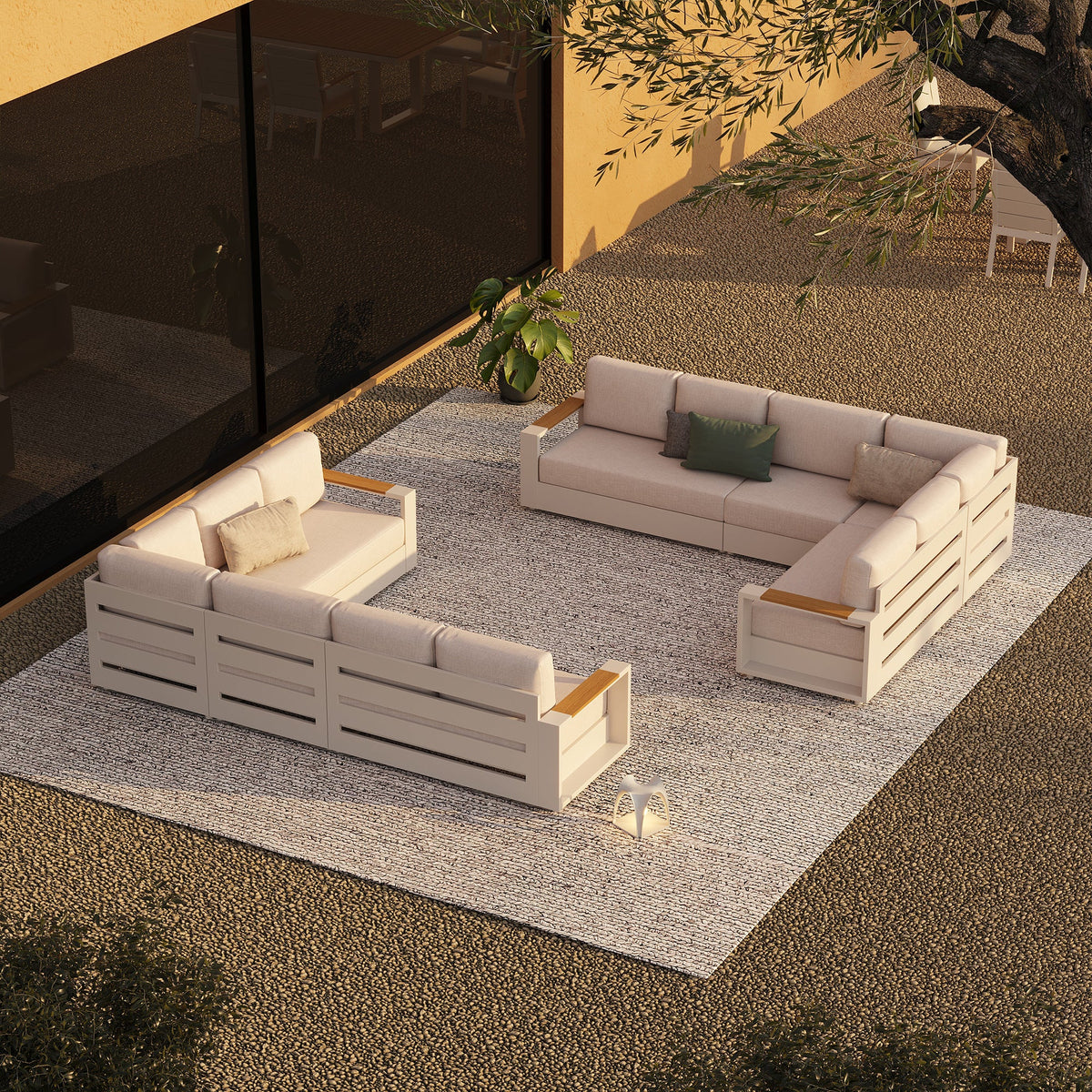
Aluminum is widely regarded as one of the best overall materials for modern outdoor furniture. It combines lightweight strength with exceptional resistance to moisture and rust.
Most outdoor aluminum tables feature a high-grade powder-coated finish, which adds a protective shield against fading, chipping, and surface scratches.
Why Choose Aluminum?
- Rust-Proof: Unlike iron or steel, aluminum does not rust when exposed to rain, humidity, or coastal air.
- Low Maintenance: Requires no oiling, staining, or special sealant—simply wipe down with mild soap and water.
- Smooth Mechanism Operation: Lightweight frames prevent excess wear and drag on sliding extension tracks.
Best For: Modern patios, coastal or humid climates, and homeowners who want high durability with minimal maintenance.
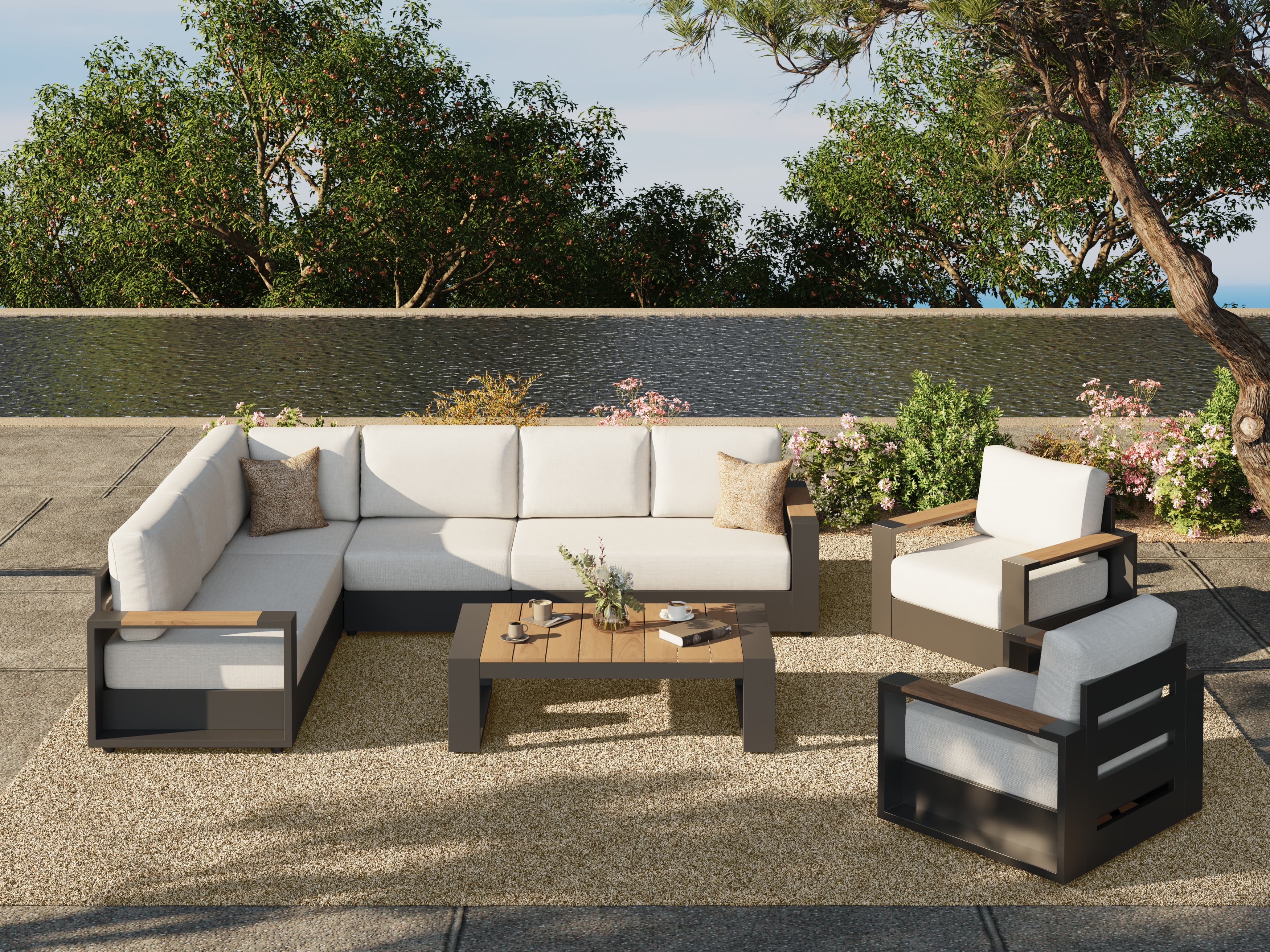
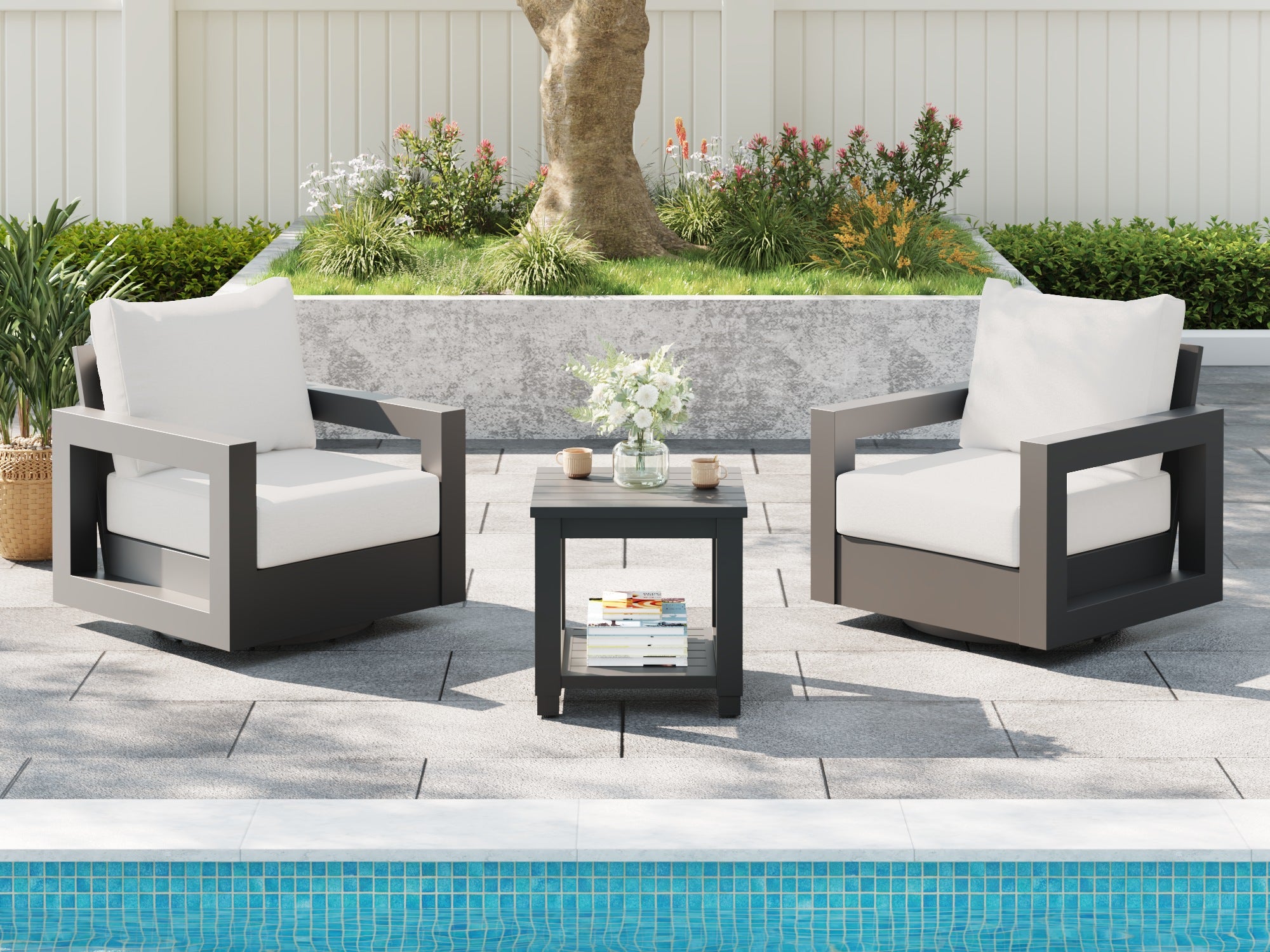
Explore our sleek, weather-resistant aluminum dining sets and sleek rectangular outdoor dining tables to see modern aluminum in action.
2. Natural Wood Extendable Dining Tables

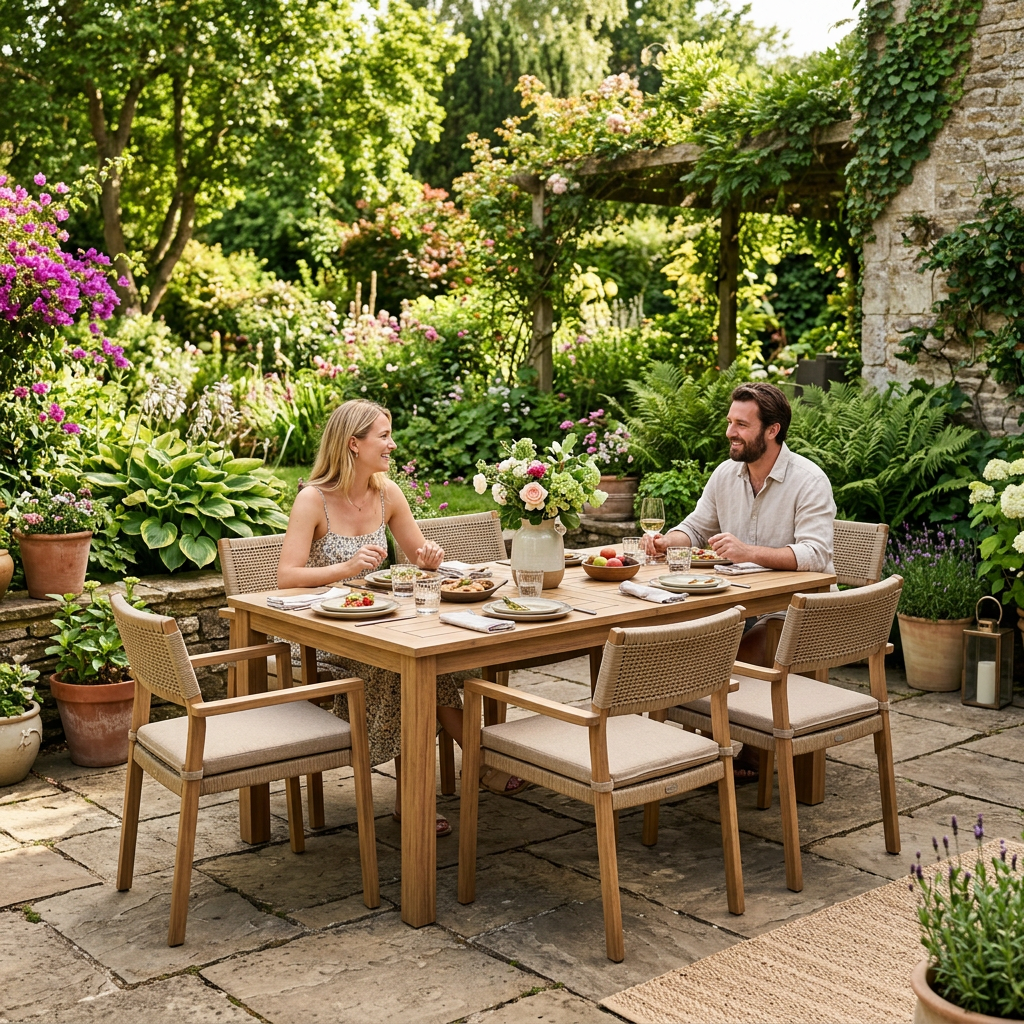
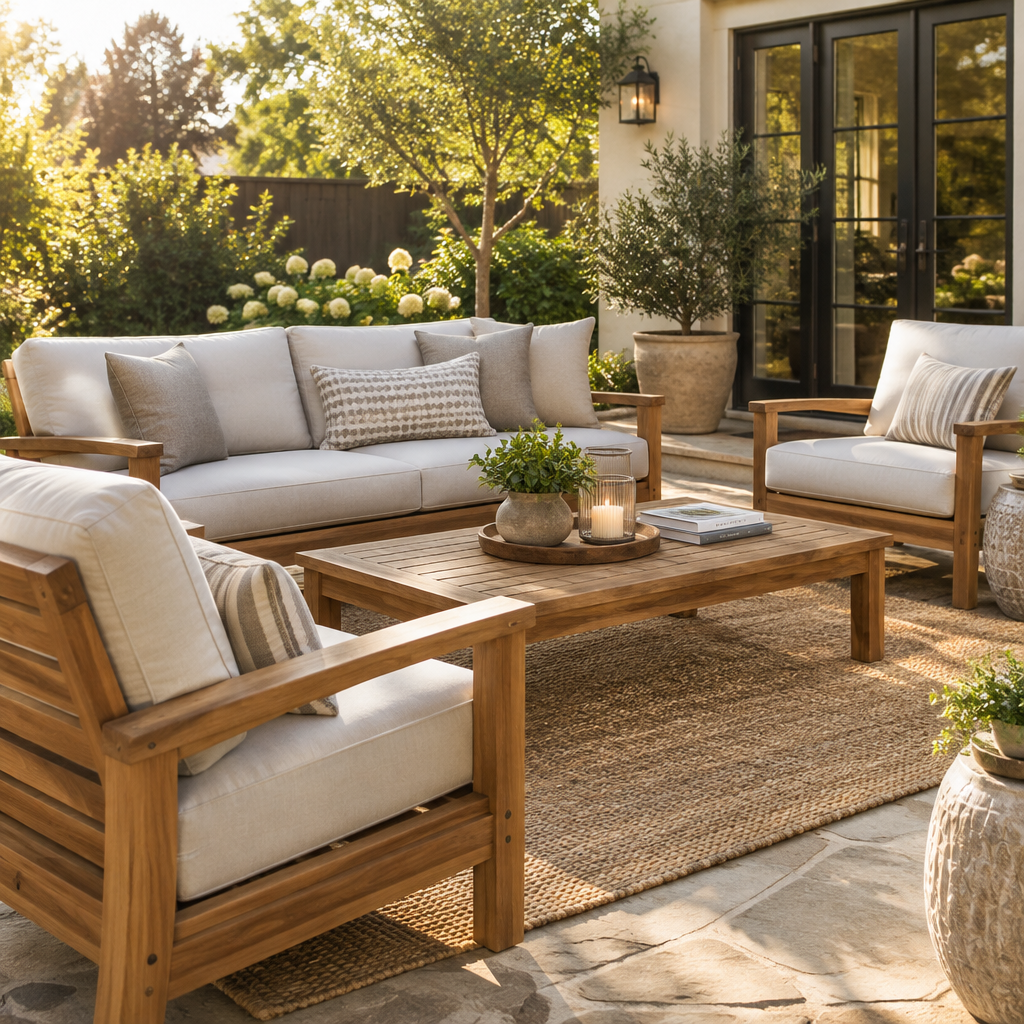
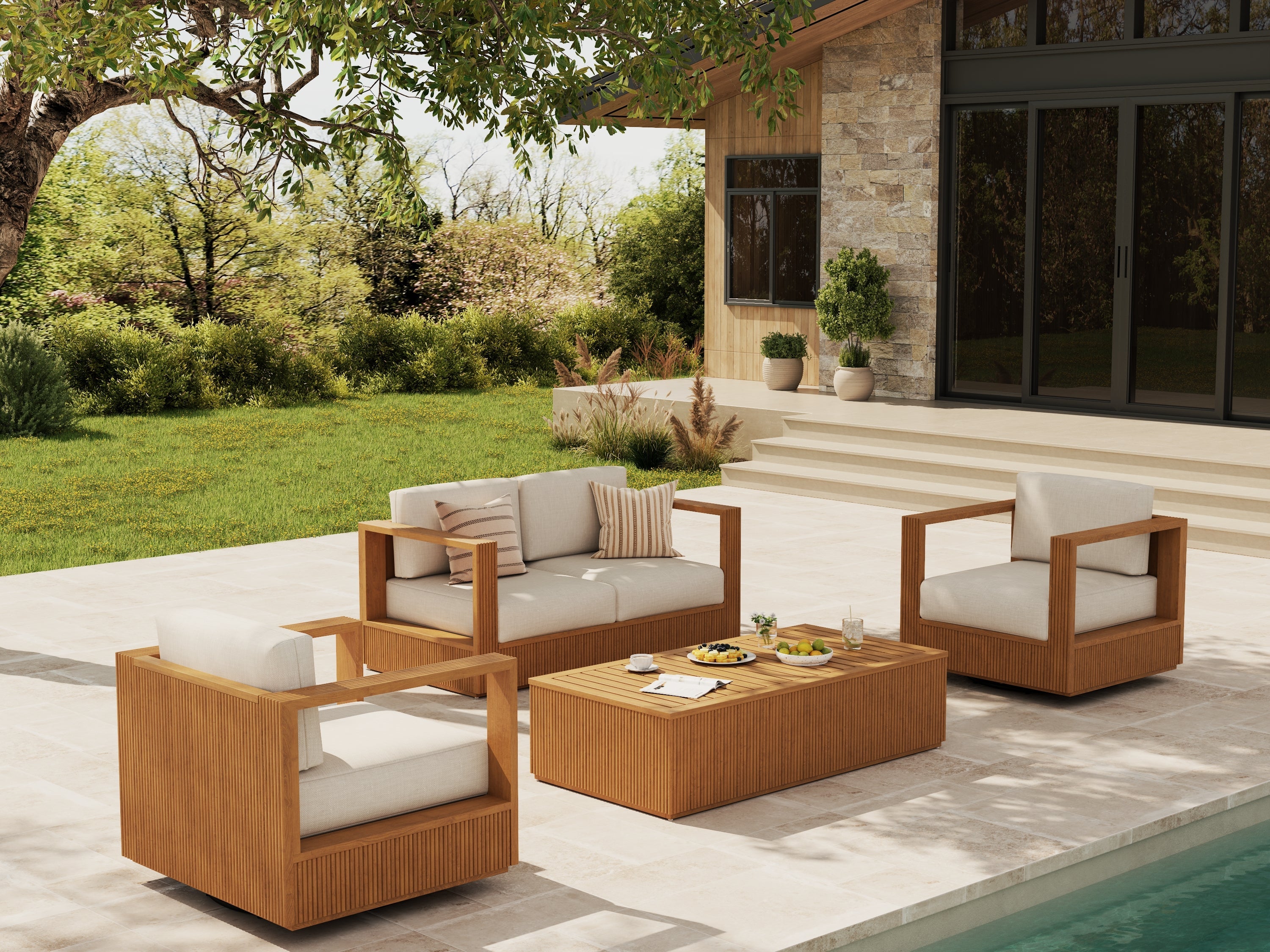
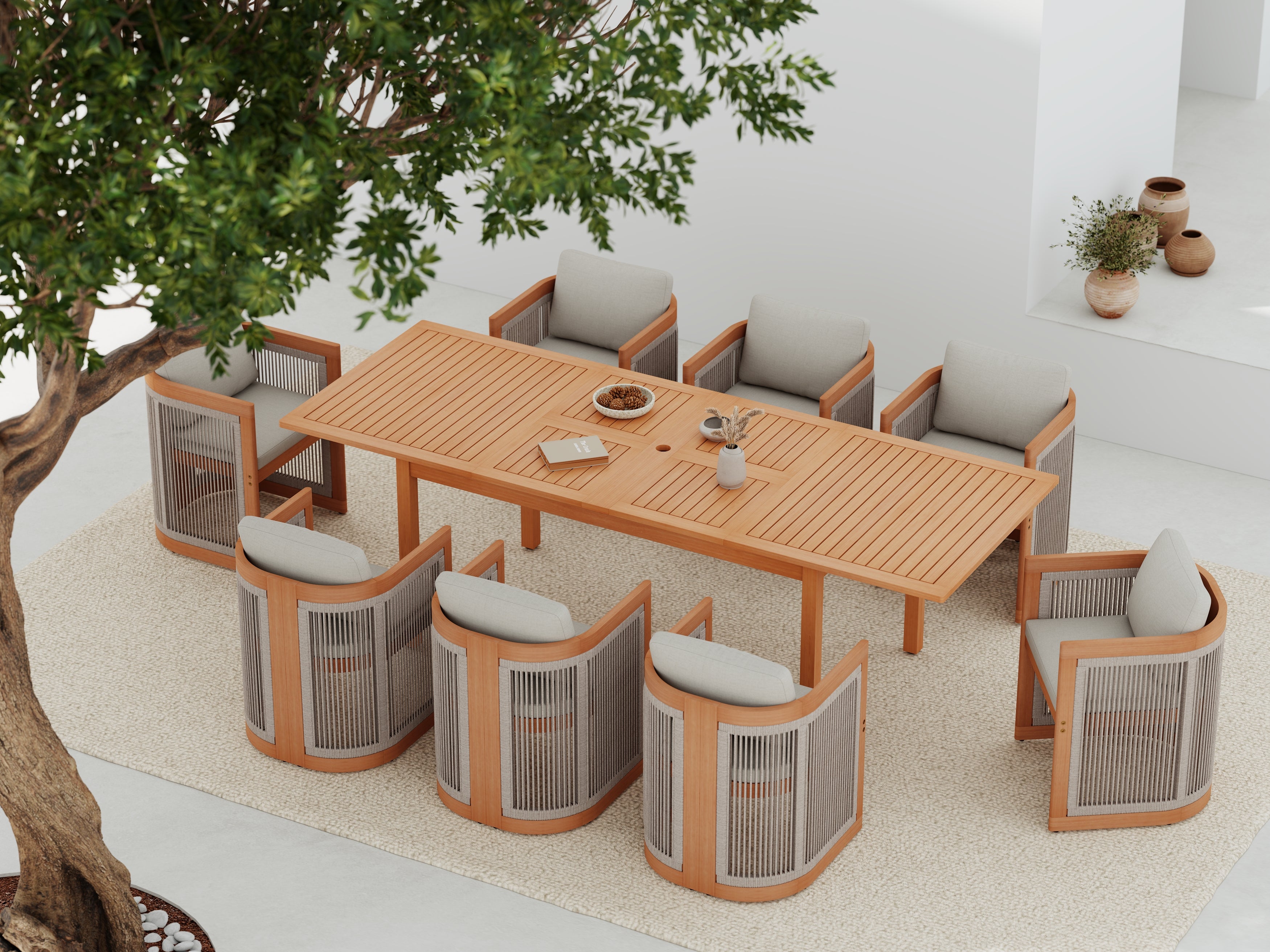
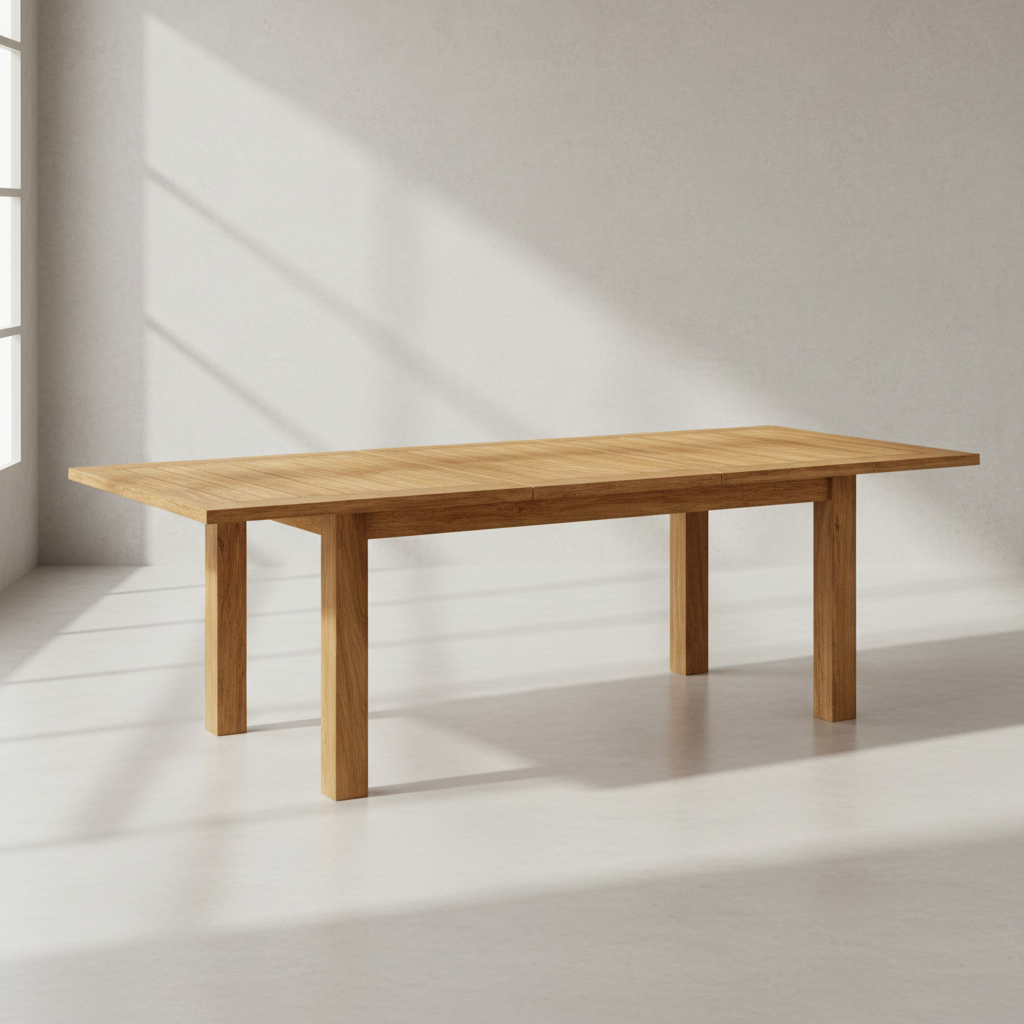
Wood offers an organic warmth, rich grain, and timeless beauty that metal cannot replicate. A natural wood table creates an inviting, resort-style dining atmosphere in gardens and lush green yards.
The three most common outdoor furniture woods are:
Acacia Wood
Acacia is an affordable, dense hardwood with an attractive warm grain. While naturally sturdy, acacia benefits from periodic sealing and protective outdoor covers during winter to maintain its luster.
-
Best For: Homeowners seeking rich, natural timber aesthetic without a premium price tag.
Eucalyptus Wood
Eucalyptus is a fast-growing, dense hardwood with high moisture resistance. Its reddish-brown tones pair beautifully with modern and traditional patio decor alike.
-
Best For: Eco-conscious buyers looking for durable, medium-maintenance hardwood.
Teak Wood
Teak is the gold standard of outdoor woods. Packed with natural oils and dense resins, teak naturally repels water, rot, and insects. Over time, untreated teak develops an elegant silvery-grey patina, though periodic oiling maintains its original golden honey hue.
-
Best For: Premium outdoor spaces where maximum wood longevity is the top priority.
Browse our classic collection of wood dining sets to discover handcrafted timber options.
Wood vs. Aluminum: At a Glance
Here is a side-by-side comparison to help you evaluate material performance:
| Feature | Powder-Coated Aluminum | Natural Hardwoods (Teak/Acacia) |
| Aesthetic Style | Sleek, modern, contemporary | Warm, organic, rustic-chic |
| Maintenance Need | Minimal (soap & water) | Moderate (periodic oiling/sealing) |
| Weight | Lightweight & easy to move | Heavy & stable in high winds |
| Rust & Corrosion | Naturally rust-proof | Rust-free (organic timber) |
| Climate Performance | Exceptional in rain & humidity | Exceptional in heat & sun |
3. All-Weather Wicker & Mixed-Material Designs
Can't decide between metal and wood? Mixed-material designs give you the best of both worlds.
- Aluminum + Faux Wood (Heat-Transfer Grain): Combines a powder-coated aluminum frame with wood-look tabletop slats. You get the organic visual appeal of wood without any of the regular staining or sealing requirements.
- All-Weather Wicker (PE Rattan): High-density polyethylene wicker wrapped around aluminum frames adds texture and warmth while offering full weatherproofing. Check out weather-ready wicker outdoor dining sets.
4. Does the Extension Mechanism Matter More Than the Material?
Both are equally important. Even the highest-grade material will frustrate you if the table's internal extension hardware fails or sticks.
When evaluating an extendable table, check for:
- Hardware Metal: Look for stainless steel or aluminum glide tracks to avoid internal rust.
- Smooth Glides: Test how smoothly the butterfly leaves fold or how easily the sliding top glides.
- Locking Latches: Ensure strong latches hold the tabletop securely in both collapsed and extended positions.
5. Other Key Features to Consider
When picking the perfect material, don't forget essential practical features:
- Shade Integration: If your patio is unshaded, ensure the material incorporates an umbrella hole. Check out patio dining sets with umbrella hole and read Extendable Patio Dining Table with Umbrella Hole: What to Look For.
- Seating Compatibility: Match your table material with lightweight stackable outdoor dining chairs for easy storage when not in use.
Which Material Is Best for Your Patio?
Summary guidelines to help you choose:
- Choose Powder-Coated Aluminum if you want sleek, low-maintenance, rustproof furniture that is easy to move and clean.
- Choose Teak or Acacia Wood if you love natural textures, organic character, and don't mind occasional seasonal care.
- Choose Mixed Materials if you want the visual warmth of natural wood paired with the effortless durability of metal.
Ready to find your ideal match? Explore Jardina’s complete collection of extendable outdoor dining tables and elevated patio dining sets to transform your backyard space today!