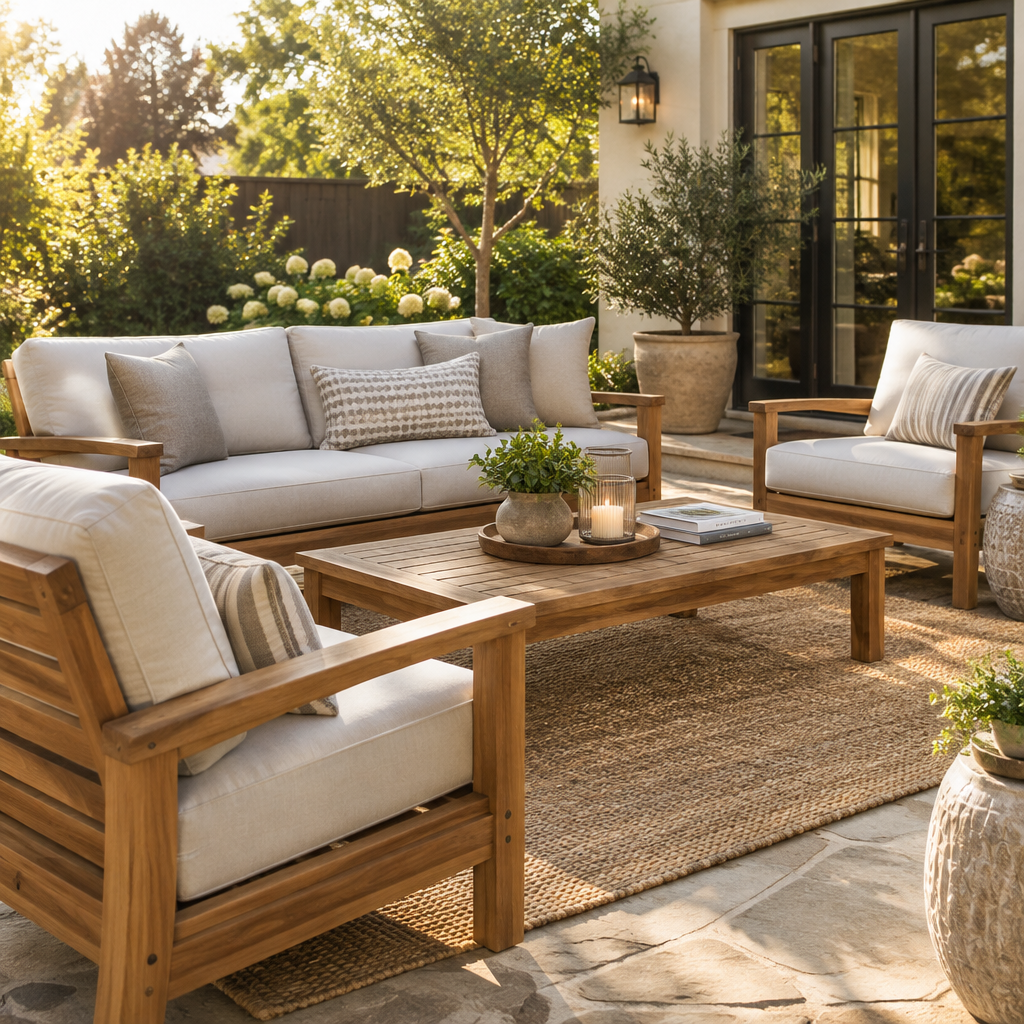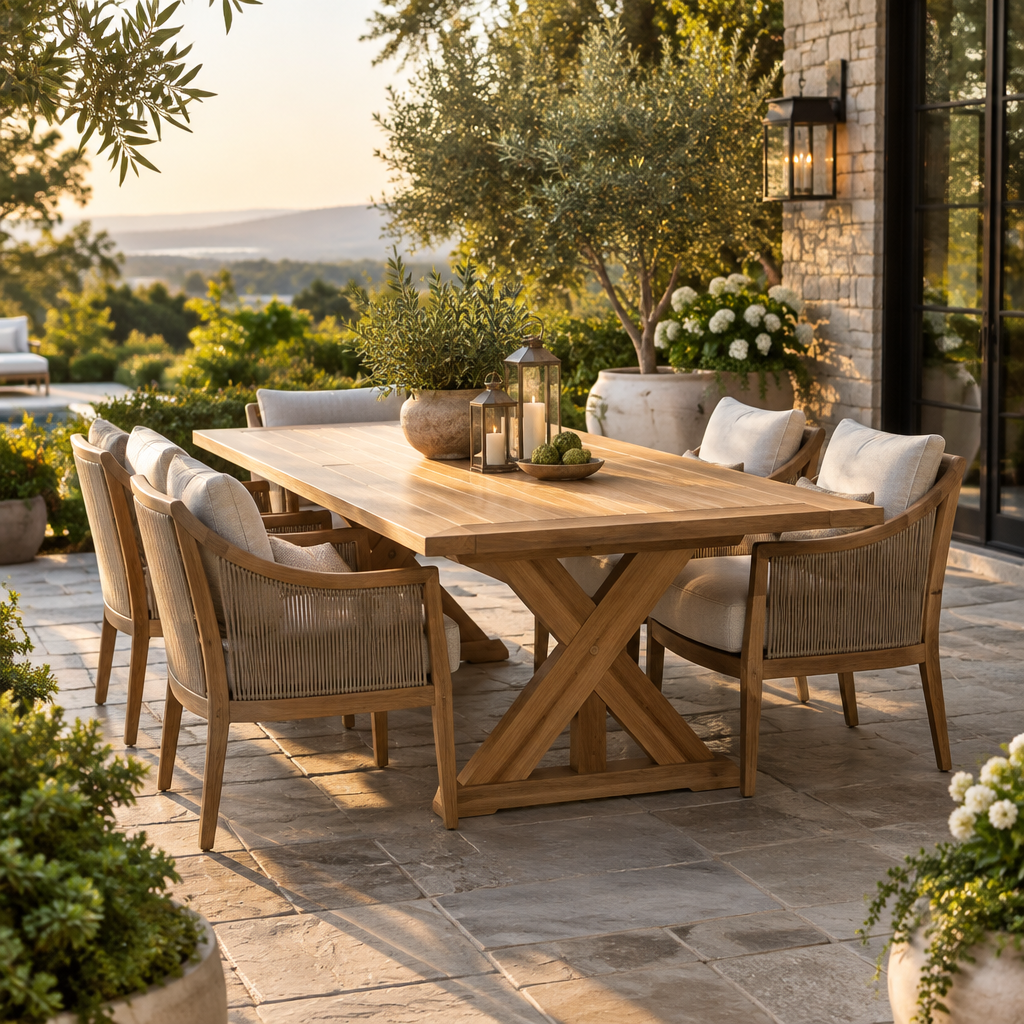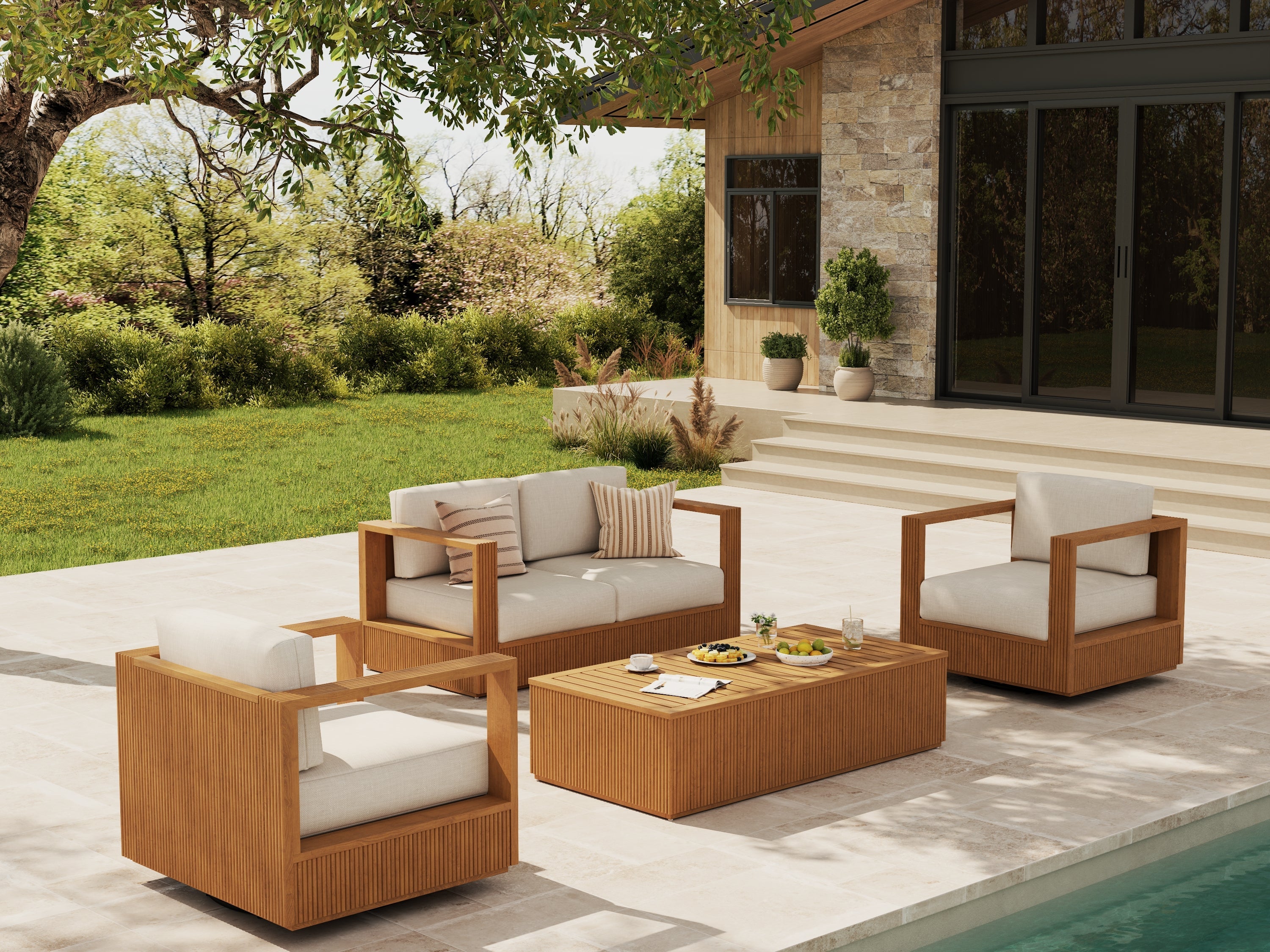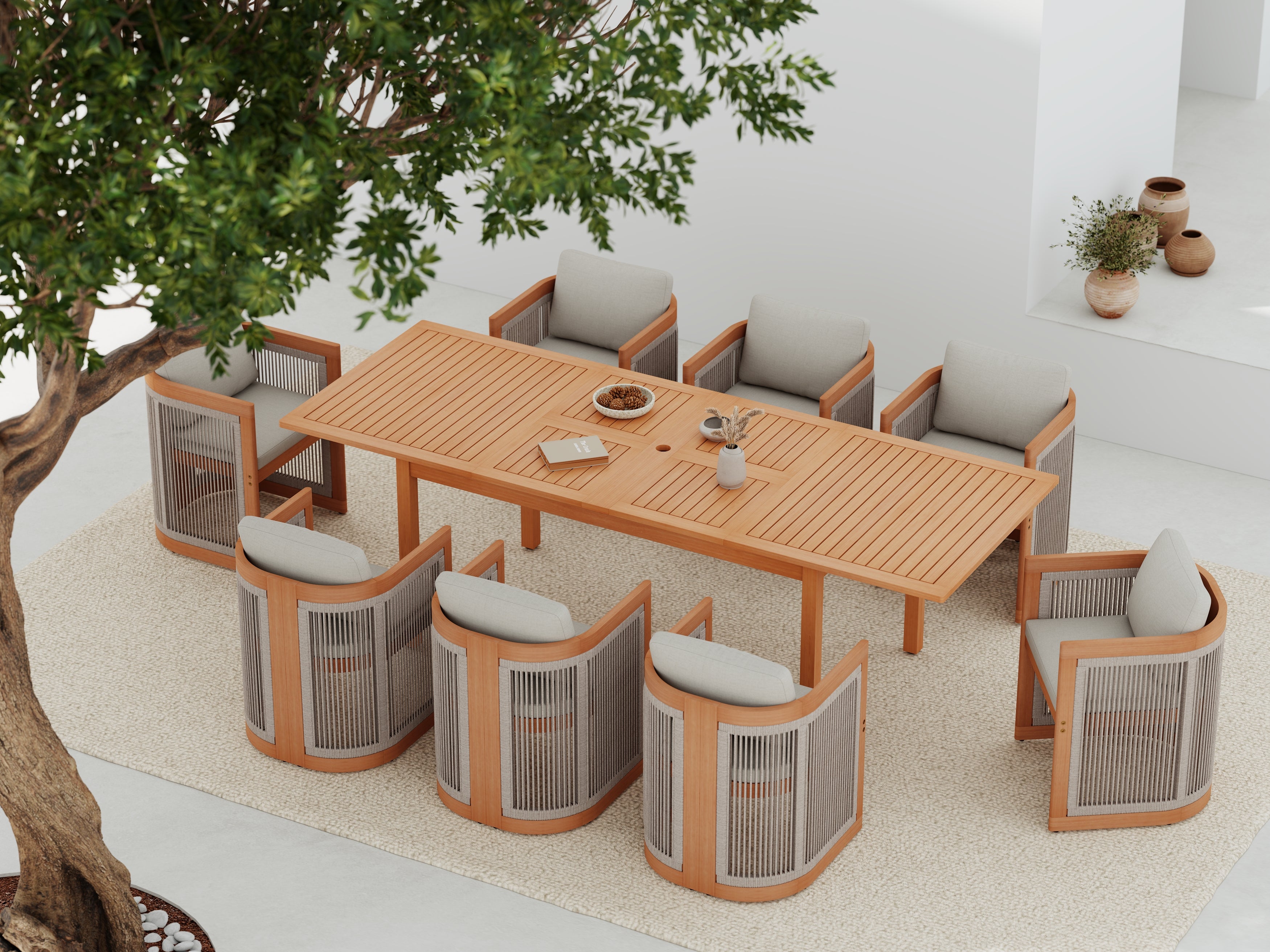

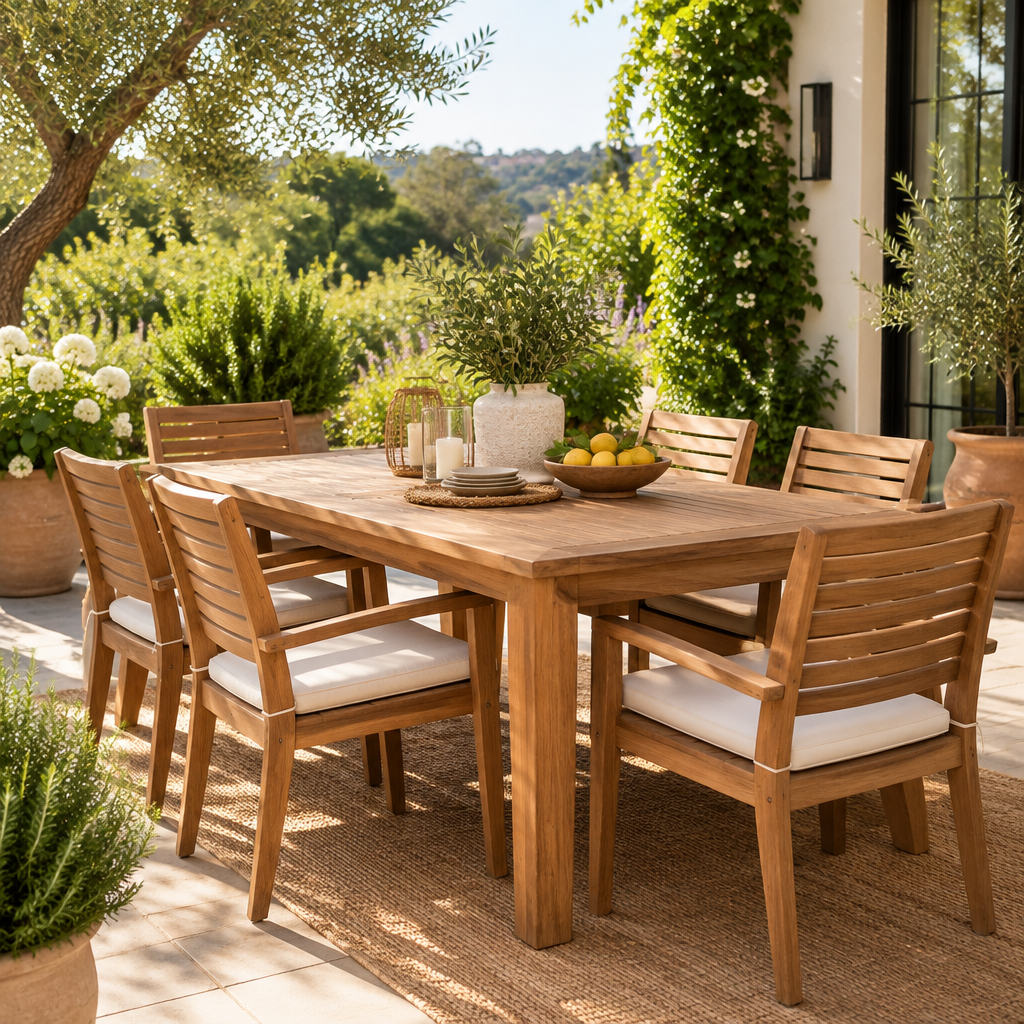
Investing in natural wood patio furniture is one of the best ways to bring warmth, elegance, and timeless charm to your outdoor living space. However, exposure to sunlight, rain, humidity, and temperature changes can take a toll on raw timber.
A common question homeowners ask is: "Do different types of outdoor wood require different care?"
The answer is yes. While general protective steps (like covering furniture during storms) apply to all woods, every species has unique natural oil contents, grain densities, and moisture tolerances. Understanding these distinctions is key to maximizing the lifespan of your patio set.
In this guide, we’ll explore general protection principles and detail the specific maintenance routines for the three most popular outdoor hardwoods: Teak, Acacia, and Eucalyptus.

The Basics: General Outdoor Wood Care Principles
Regardless of the species, all exterior wooden furniture benefits from a few universal maintenance habits:
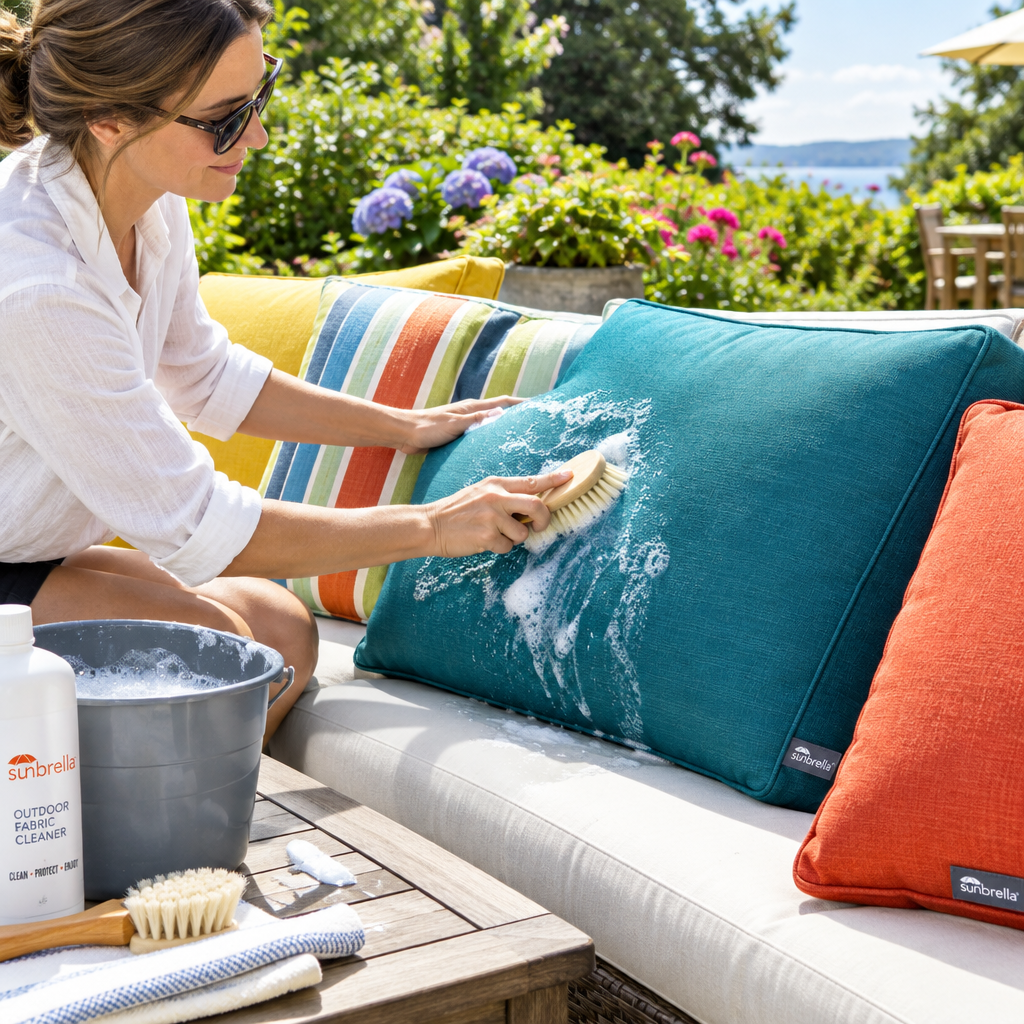
- Keep It Clean: Regularly wipe down surfaces with a soft cloth or brush using warm water and mild soap. Prevent organic buildup like leaves, pollen, or mildew, which traps moisture against the grain.
- Use Breathable Covers: Invest in high-quality, weather-resistant patio covers during off-seasons or harsh weather. Ensure covers are breathable to prevent trapped moisture, which can lead to mold and rot.
- Elevate Off Wet Surfaces: Avoid placing wood feet directly in standing water or puddles. Use foot pads or place furniture on well-draining stone, composite decking, or gravel.
- Mind the Sun: UV rays break down wood fibers and strip away natural colors over time. Positioning furniture under pergolas, umbrellas, or shaded patio areas significantly extends its finish.

Tailored Care: Teak vs. Acacia vs. Eucalyptus
Because each wood species interacts with the elements differently, your maintenance approach should match your furniture’s specific material.
1. Teak Wood Care & Protection
Teak (Tectona grandis) is widely regarded as the gold standard for outdoor furniture. Its exceptionally high natural oil content and dense grain make it naturally resistant to water, rot, decay, and insect attack.
-
Natural Aging: Unfinished teak will gradually weather from a golden-brown hue to a silver-grey patina. This color shift is purely cosmetic and does not compromise the wood's structural strength.
-
Routine Maintenance: Clean teak 1–2 times a year using a soft-bristle brush and gentle teak cleaner or a simple mild detergent mixture.
-
Protective Treatment:
-
To Maintain Golden Color: Apply a specialized Teak Protector (UV blocker) once a year. Avoid traditional wood oils or linseed oil on outdoor teak, as they can encourage mildew growth.
-
To Allow Silver Patina: Simply clean the wood periodically. No sealers required!
-
-
Pro Tip: If your teak furniture has weathered significantly or shows surface stains, you can easily restore its original warmth. Check out our detailed guide on how to restore teak outdoor furniture for step-by-step instructions.
2. Acacia Wood Care & Protection
Acacia is a durable, dense hardwood known for its rich contrasting grain patterns and excellent affordability. However, unlike teak, acacia has lower natural oil content, making it more vulnerable to moisture absorption and cracking if left untreated in extreme environments.
-
Routine Maintenance: Dust regularly with a microfiber cloth and clean spills immediately. Avoid letting water pool on acacia surfaces.
-
Protective Treatment:
-
Acacia requires regular sealing to maintain its barrier against water and sun damage. Apply a penetrating teak oil or tung oil 1–2 times per year (at the beginning and end of the outdoor season).
-
Use a clear polyurethane coat or outdoor sealants designed for hard timber if you want long-lasting waterproofing.
-
-
Winter Protection: Because acacia is sensitive to extreme freezing or drying cycles, bringing acacia pieces indoors or keeping them under heavy-duty covers during winter is highly recommended. Learn more about its properties in our acacia wood product maintenance guide.
3. Eucalyptus Wood Care & Protection
Eucalyptus is a fast-growing, eco-friendly hardwood with a straight, smooth grain and a warm, reddish-brown tone. It offers impressive natural weather resistance similar to teak, but at a more budget-friendly price point.
-
Routine Maintenance: Wash down with soapy water at least twice a season. Keep the surface free of dirt, which can scratch or dull the protective finish.
-
Protective Treatment:
-
To preserve eucalyptus’s signature reddish tone, apply a penetrating eucalyptus wood oil or high-grade outdoor sealer every 6 to 12 months.
-
Sand lightly with fine-grit sandpaper before re-oiling to open up the pores and ensure even absorption.
-
-
Key Considerations: Eucalyptus handles rain well, but severe humidity shifts can cause minor surface checking (hairline cracks). Consistent oiling keeps the wood flexible and minimizes cracking. If you're deciding between materials, read our comparison on eucalyptus wood vs. teak wood furniture.
|
Wood Type |
Natural Oil Level |
Maintenance Frequency |
Key Care Action |
|---|---|---|---|
|
Teak |
Very High |
Low (1x per year) |
Clean regularly; apply teak protector if golden color is desired. |
|
Acacia |
Moderate |
Medium (1–2x per year) |
Seal/oil regularly; store indoors during winter. |
|
Eucalyptus |
High |
Medium (1–2x per year) |
Apply eucalyptus oil yearly; sand lightly before oiling. |

Protecting your outdoor wood furniture comes down to knowing what timber you have and establishing a routine.
By pairing the right maintenance strategy with your specific wood type, your outdoor furniture will remain a stunning, durable centerpiece of your patio for years to come. Still deciding on the right material for your home? Explore our comprehensive comparison on acacia wood vs. teak wood for outdoor furniture.