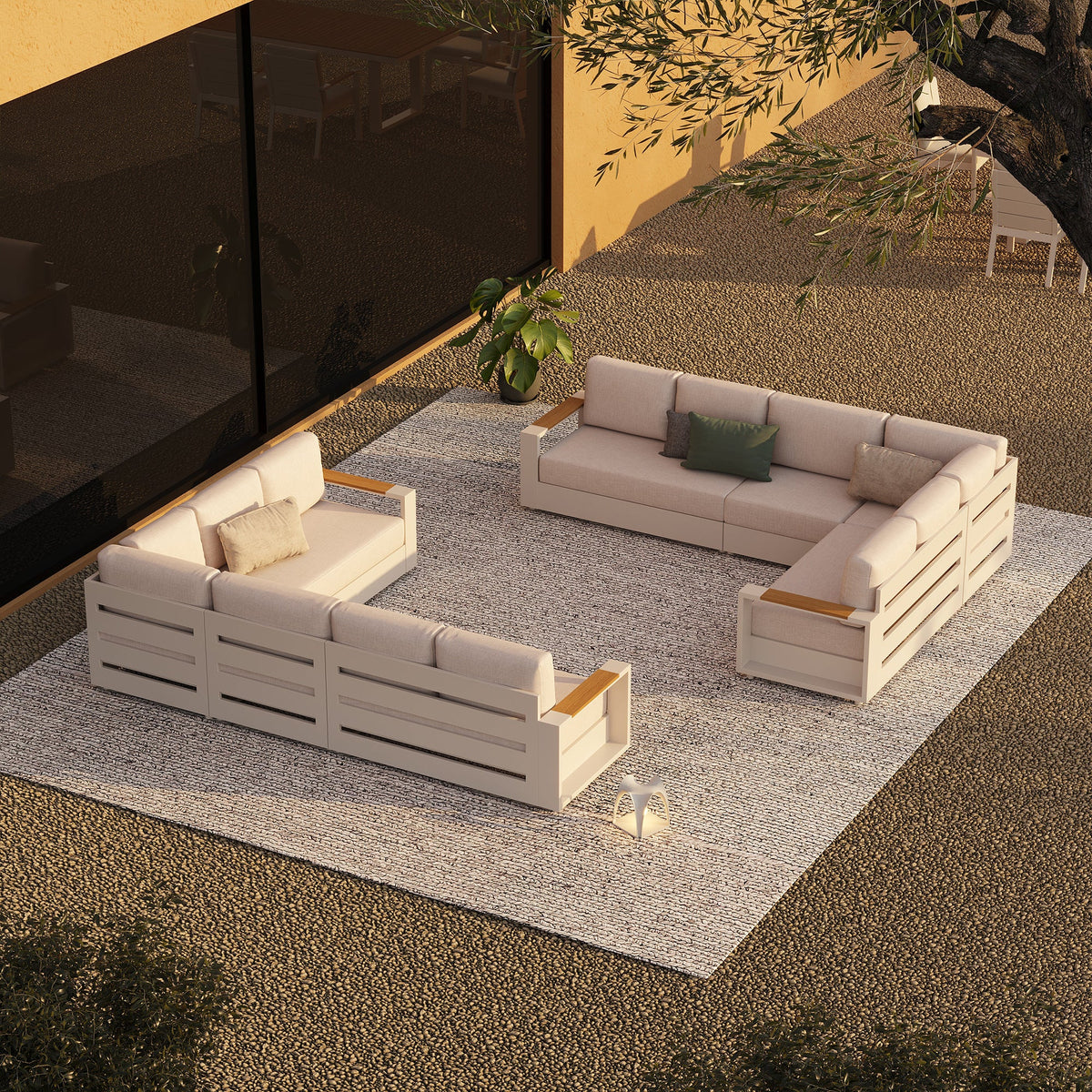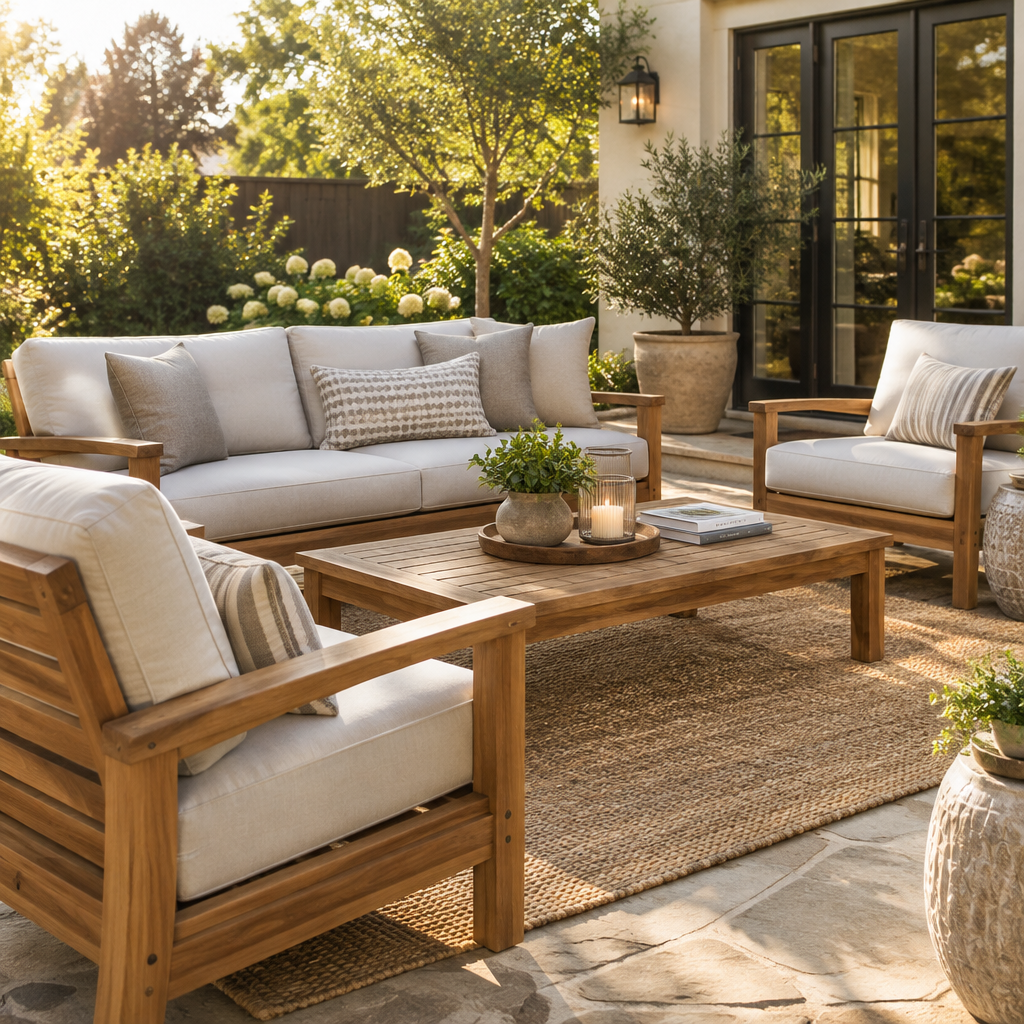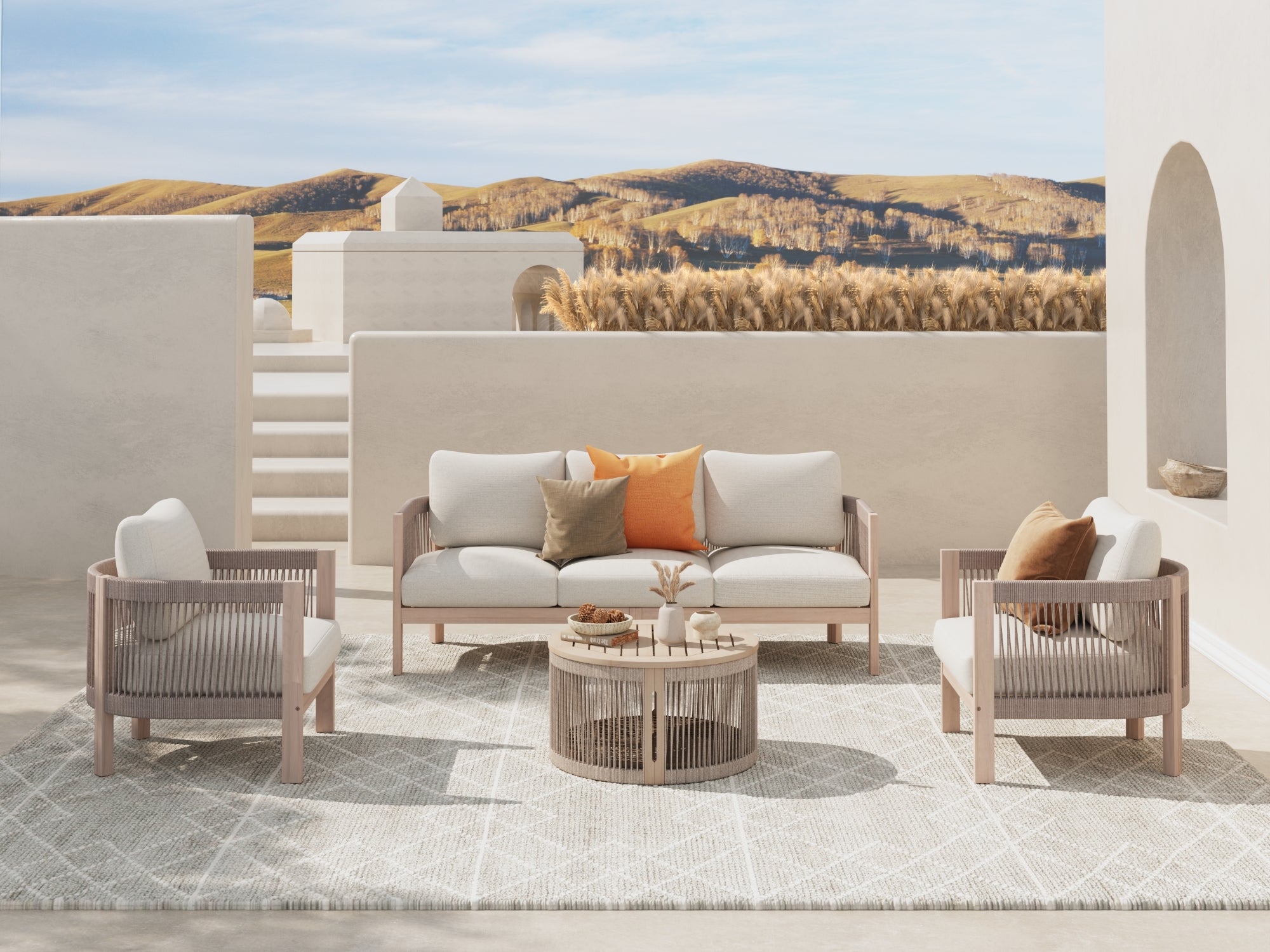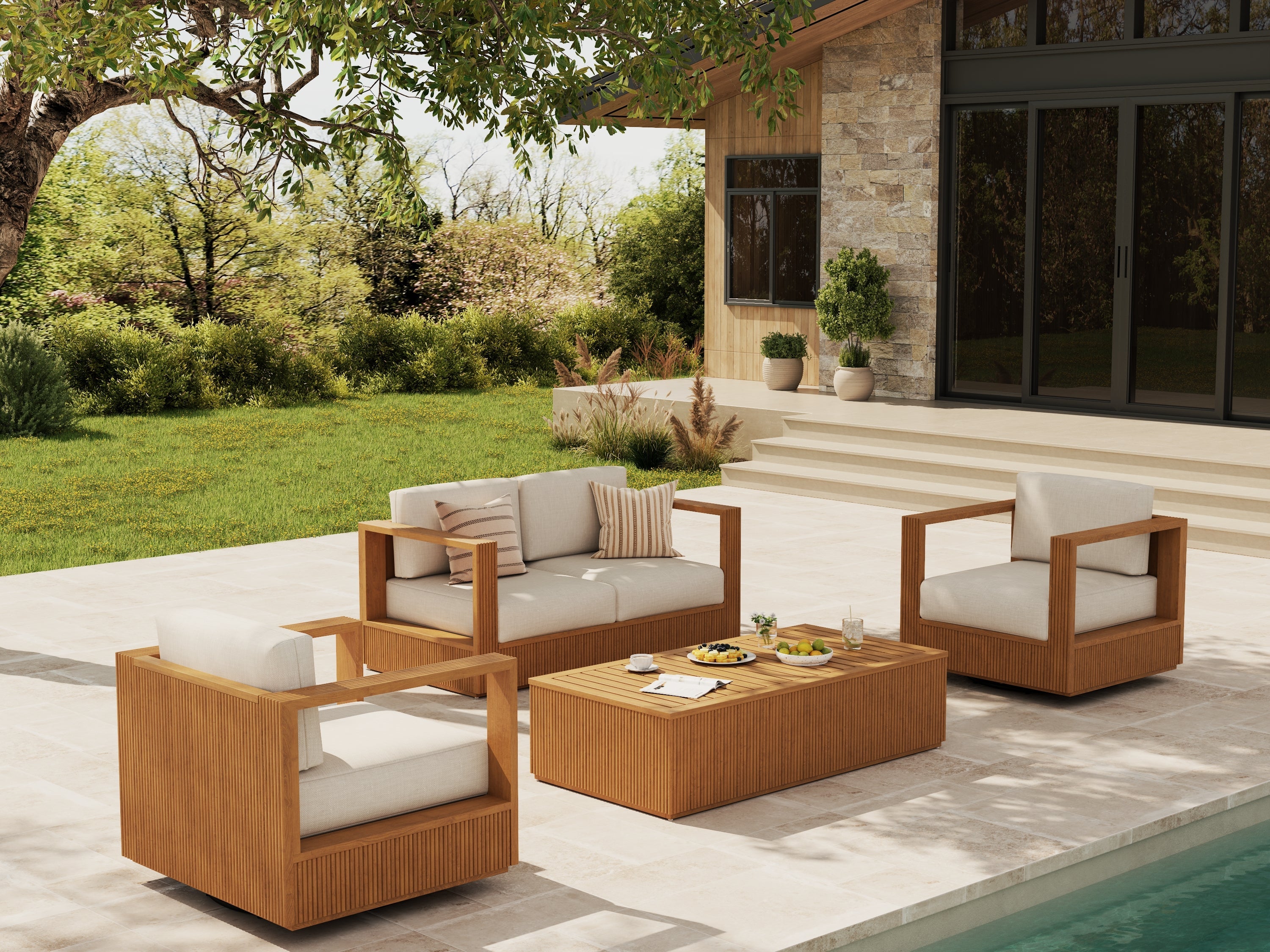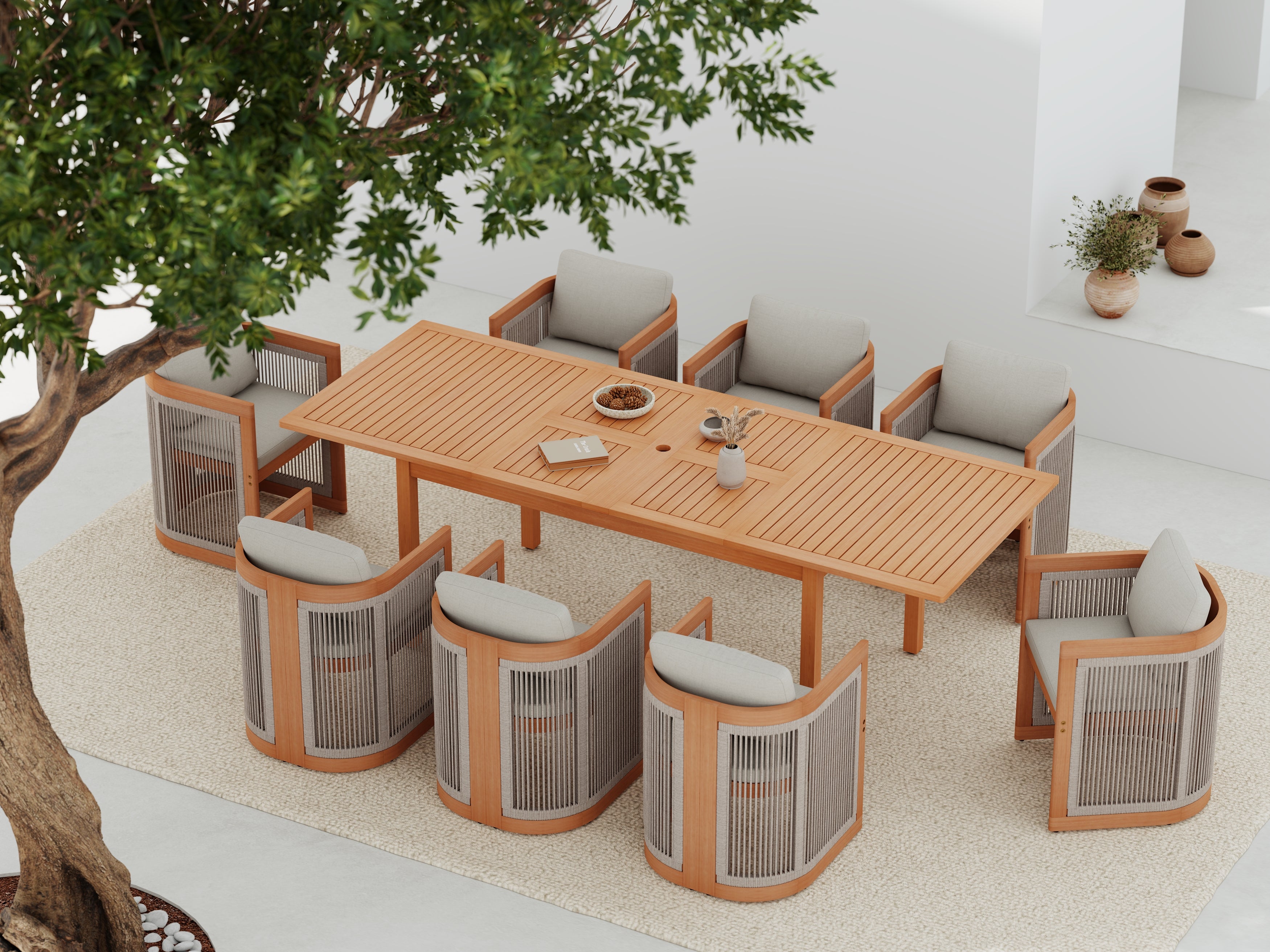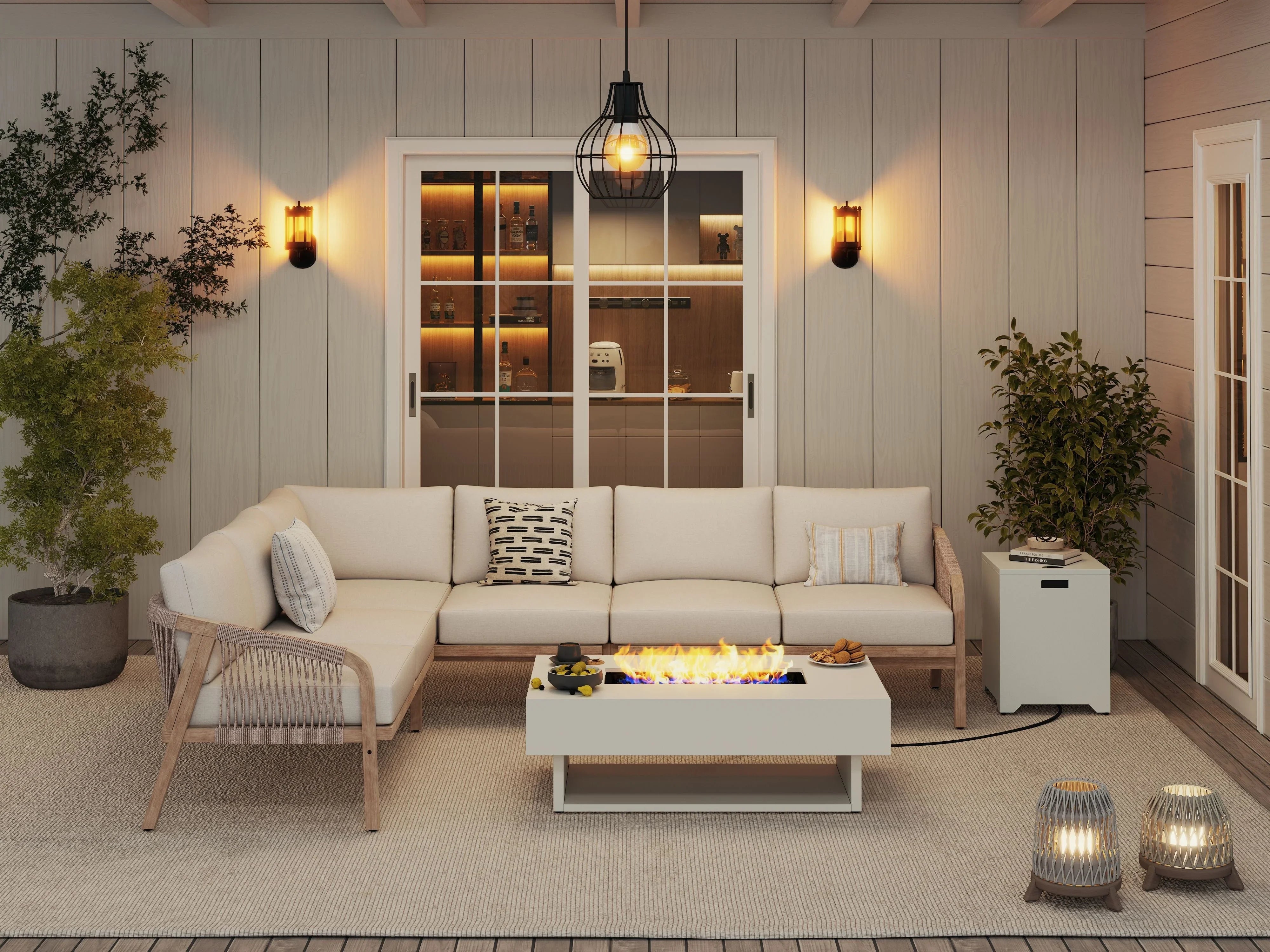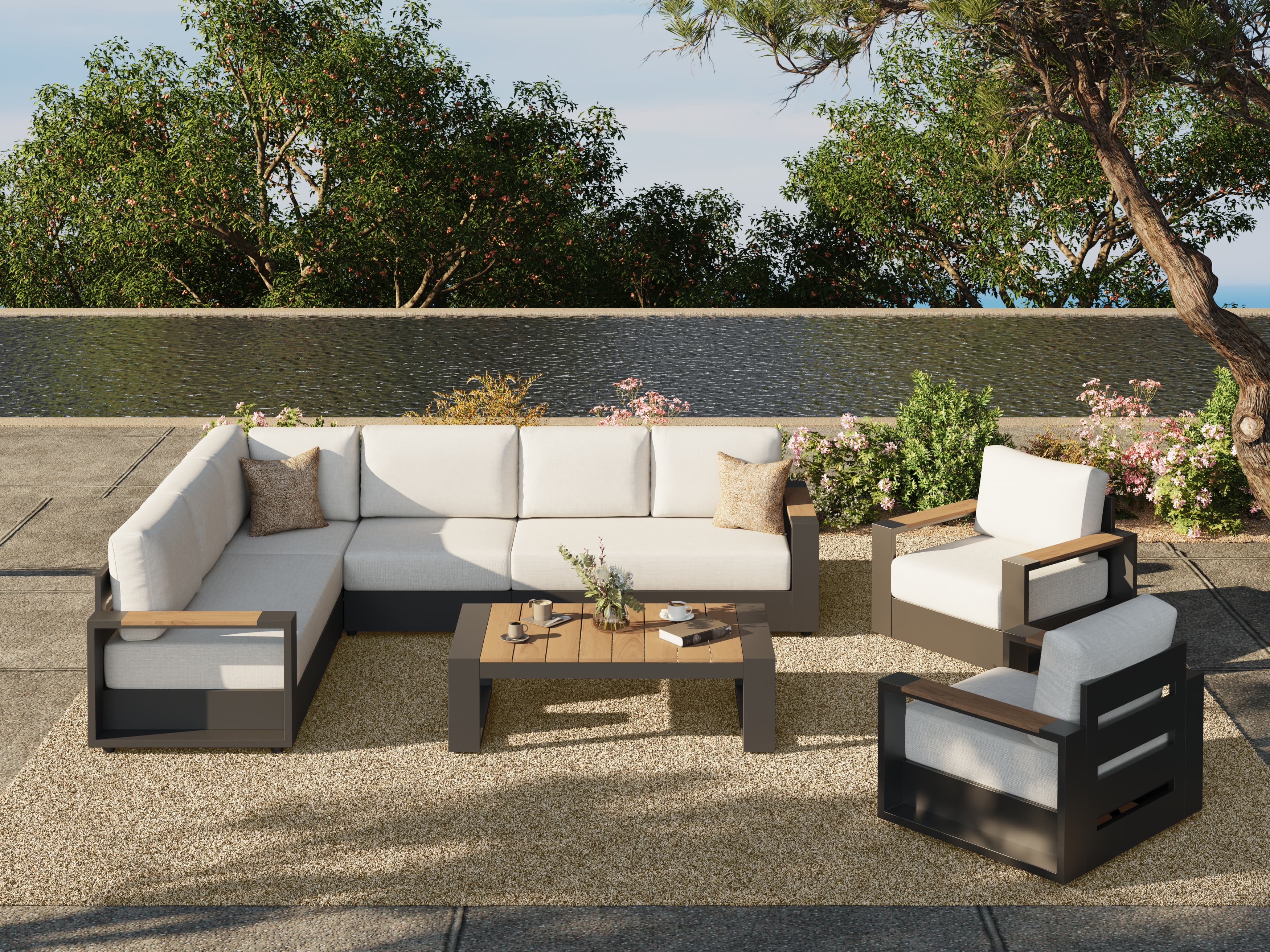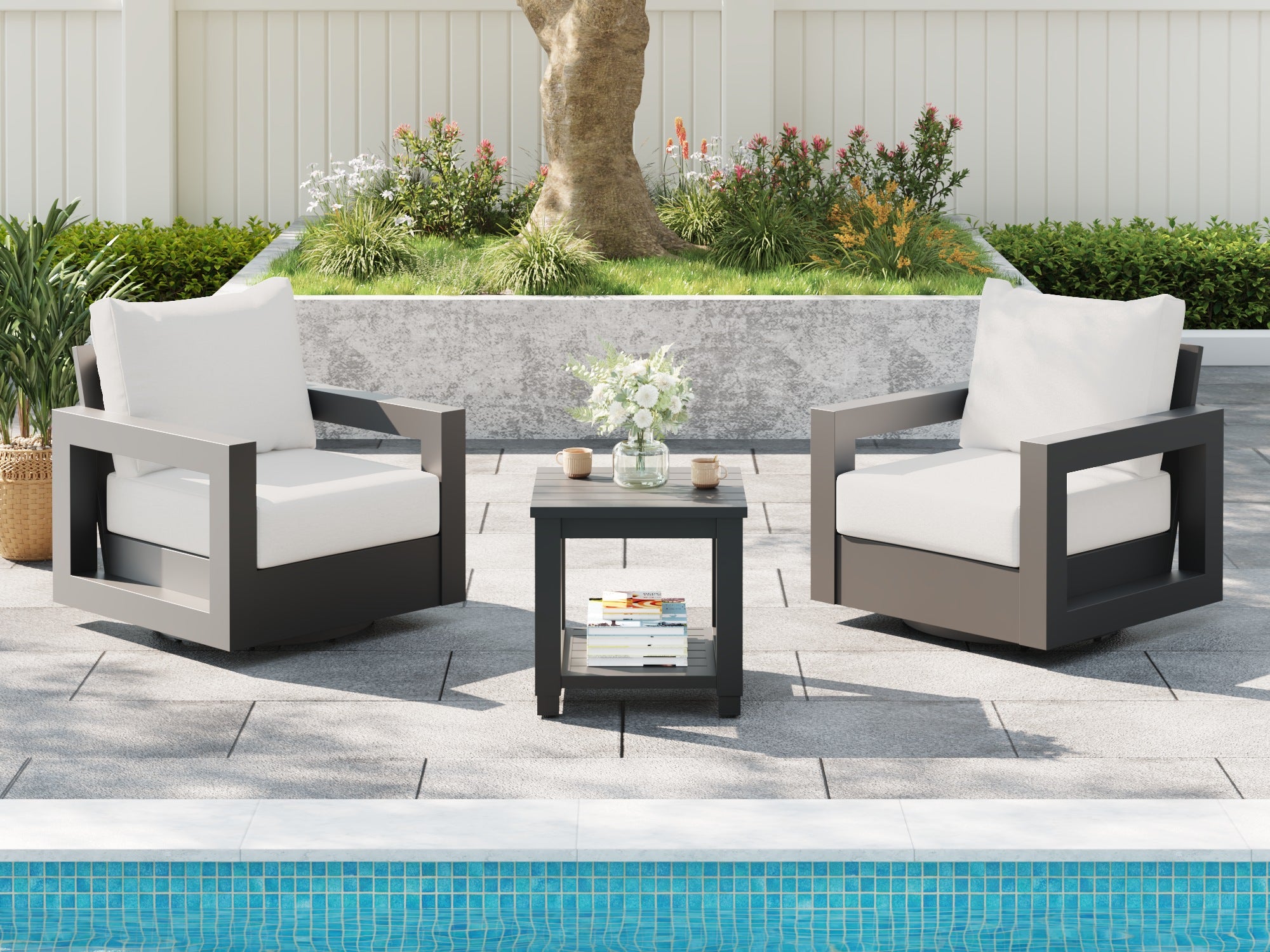

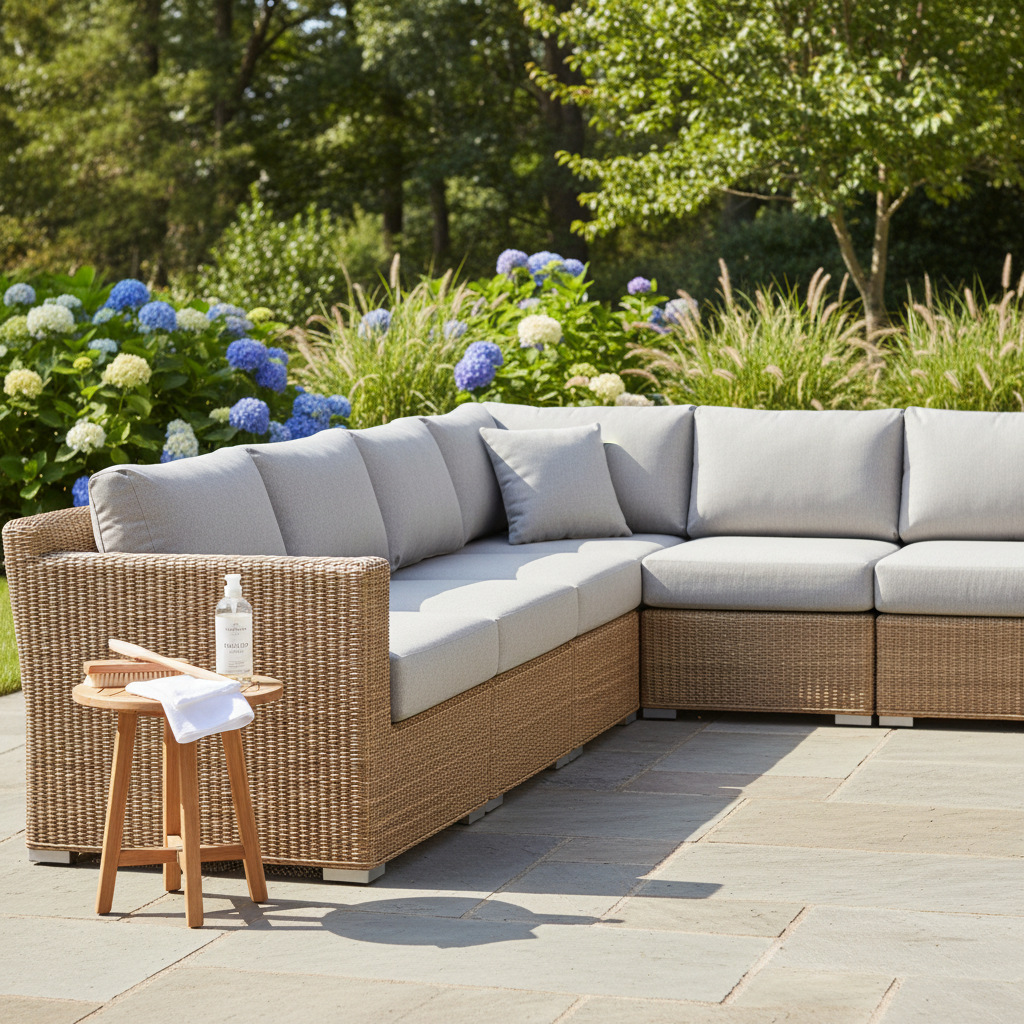
A high-quality outdoor sectional sofa is a long-term investment for your patio, backyard, or poolside space. While modern outdoor sectionals are built to resist sun, rain, and humidity, seasonal weather changes can still cause common issues like cushion mildew, fabric fading, frame rust, wood warping, and rope loosening without proper maintenance. A targeted seasonal cleaning and care routine can effectively extend your furniture’s lifespan, preserve its original appearance, and avoid frequent replacement costs.
Since wooden, aluminum, and synthetic rope sectionals require different upkeep methods, a one-size-fits-all cleaning approach often leads to incomplete maintenance. Below is a complete season-by-season maintenance guide, paired with material-specific care tips to solve core pain points including water accumulation, mold growth, and UV fading. To better understand your sectional’s material characteristics before maintenance, explore our detailed breakdown in types of outdoor sectionals. Shop durable, low-maintenance seating options for long-term outdoor use in our full outdoor sectionals collection.
Spring: Deep Cleaning & Post-Winter Recovery

- Wood Frames (Acacia, Eucalyptus, Teak): Inspect for minor cracks, dry spots, or faded grain caused by winter dryness. After full cleaning and air drying, apply a layer of professional outdoor wood oil or sealant to replenish natural oils, prevent cracking, and restore warm wood tones.
- Aluminum Frames: Wipe frame joints and gaps where dust accumulates. Check for slight oxidation or water stains; polish gently with a soft cloth to keep the powder-coated finish intact. No complex oiling is required.
- Synthetic Rope & Wicker Frames: Clean woven gaps thoroughly to remove hidden dust and mold. Check for loose rope strands and tighten minor loose parts in time to avoid further loosening during summer wind and rain.
Cushion Care: Open cushion zippers to take out inner foam for ventilation, fully dry residual moisture, and check for hidden mildew spots. Replace severely moldy or deformed cushions to ensure summer use comfort.

Summer: Anti-Fading, Anti-Mold & Daily Rain Protection

UV & Fading Prevention: Prolonged direct sunlight will break down fabric color pigments and harden wooden frames. When not in use for a long time, cover the sectional with a breathable, UV-resistant furniture cover. For exposed patios, avoid leaving cushions under direct sun for days to slow down fading and fabric aging. Post-Rain Emergency
Maintenance: After every rain shower, promptly wipe frame water droplets and tilt cushions to drain accumulated water. Never let cushions sit flat with pooled water, as standing water quickly breeds mildew and produces odors. Place the sectional in a ventilated area for natural air drying. Material-Specific Summer Care<
- Wood Frames: Avoid prolonged exposure to intense sunlight to prevent surface cracking and peeling. Re-seal small worn areas to lock in moisture.
- Aluminum Frames: Fully rust-resistant in high temperature and humid environments, requiring only regular wiping to keep clean.
- Synthetic Rope & Wicker: The woven structure easily traps moisture. Focus on ventilating gaps after rain to avoid internal mildew.
Fall: Pre-Winter Inspection & Protective Reinforcement

Full Inspection & Repair: Check the overall stability of the frame, loose screws, damaged cushion zippers, and worn fabric areas. Repair small faults in advance to prevent deterioration in winter cold and wind.
Secondary Protection Treatment: For wooden frames, perform a second light oiling maintenance to form a protective layer against dry, cold winter air. For rope and wicker frames, tidy up loose weaving parts to enhance wind resistance.
Pre-Storage Preparation: Start sorting out cushions and accessories. Clean all cushions thoroughly and ensure 100% dryness before storage to avoid mildew during winter enclosure.
Winter: Anti-Freezing Storage & Long-Term Protection

Low temperatures, frost, snow, and strong winter winds are likely to cause wood cracking, fabric embrittlement, and frame freezing damage. Winter maintenance focuses on storage isolation and freeze protection.
Cushion Priority Storage: All outdoor cushions, throw pillows, and fabric accessories must be stored indoors in a dry, ventilated room. Outdoor fabric cannot resist long-term frost and snow erosion, which will lead to hardening, fading, and irreversible mildew.
Frame Winter Protection
- Wood Frames: Wooden materials are most prone to cracking in cold and dry weather. If you cannot move the frame indoors, be sure to cover it with a thick breathable furniture cover to block frost and dry wind.
- Aluminum Frames: With excellent freeze resistance, aluminum frames can be placed outdoors for winter use. Simply cover to prevent snow accumulation and dust deposition.
- Synthetic Rope & Wicker: Avoid long-term snow pressing, which may deform woven structures. Use a fully covered protective cover for winter isolation.
Universal Long-Term Maintenance Tips
Regardless of seasons and materials, these universal rules can greatly reduce maintenance pressure and extend your sectional’s service life. Wipe up beverage and food spills immediately to avoid permanent stains. Use coasters and heat-insulating pads to prevent frame scratches and fabric scalds. Adhere to seasonal maintenance cycles instead of centralized remedial cleaning after problems occur.
Different seasons bring different weather challenges for outdoor sectionals. Targeted spring deep cleaning, summer anti-mold and anti-fading care, fall pre-winter reinforcement, and winter freeze protection can keep your wooden, aluminum, and woven sectionals in perfect condition year-round. Matching maintenance methods to your furniture’s material type is the key to avoiding common outdoor furniture damage and maximizing your investment value.