
Choosing the right patio furniture cover is about more than finding one that looks big enough. A cover that's too small may leave furniture exposed to rain, dust, and UV rays, while one that's too large can drag on the ground, collect dirt, and trap excess moisture.
Even when the dimensions seem correct, poor furniture arrangement or an unsuitable cover design can lead to unexpected problems, such as water pooling on top or condensation building up underneath.
So, how do you choose the right size patio furniture cover? And what material should you look for to protect your outdoor furniture throughout the seasons?

How to Measure Your Patio Furniture for a Cover?
The first step is to measure your furniture accurately. Never rely on visual estimates or assume that a standard cover size will fit your outdoor furniture.
Before shopping, prepare a measuring tape and record the overall dimensions of the furniture you want to protect.
Measure the Length, Width, and Height
For most rectangular furniture pieces, you'll need three measurements:
- Length: Measure from the outermost point on one end to the outermost point on the opposite end.
- Width: Measure across the widest part of the furniture, including armrests, table edges, or other protruding components.
- Height: Measure from the ground to the highest point, such as the top of a chair back or sofa backrest.
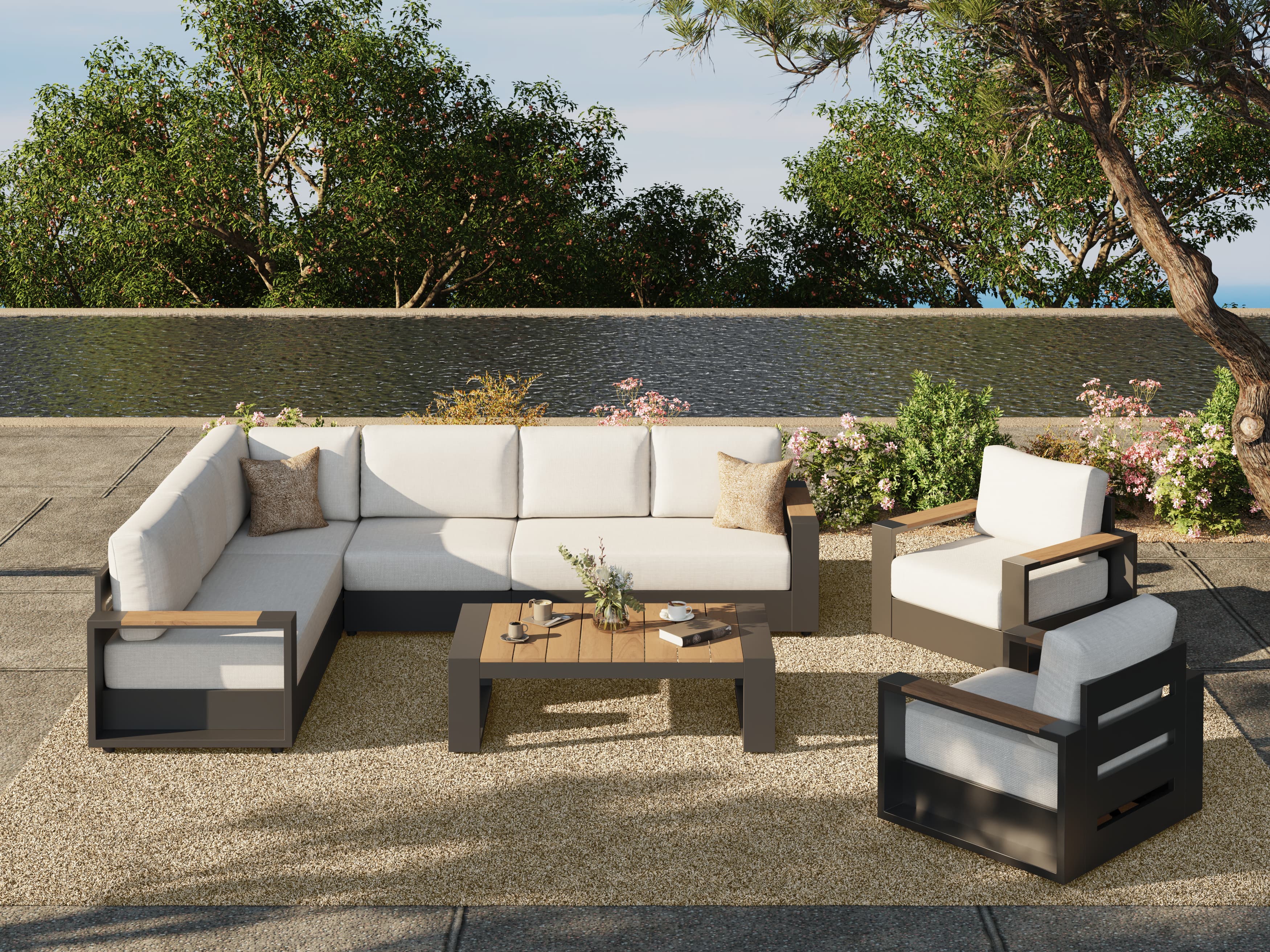
For L-shaped sectionals and other irregular furniture arrangements, measure the longest overall length and the widest overall depth. Don't forget to account for the corner section and any extended chaise components.
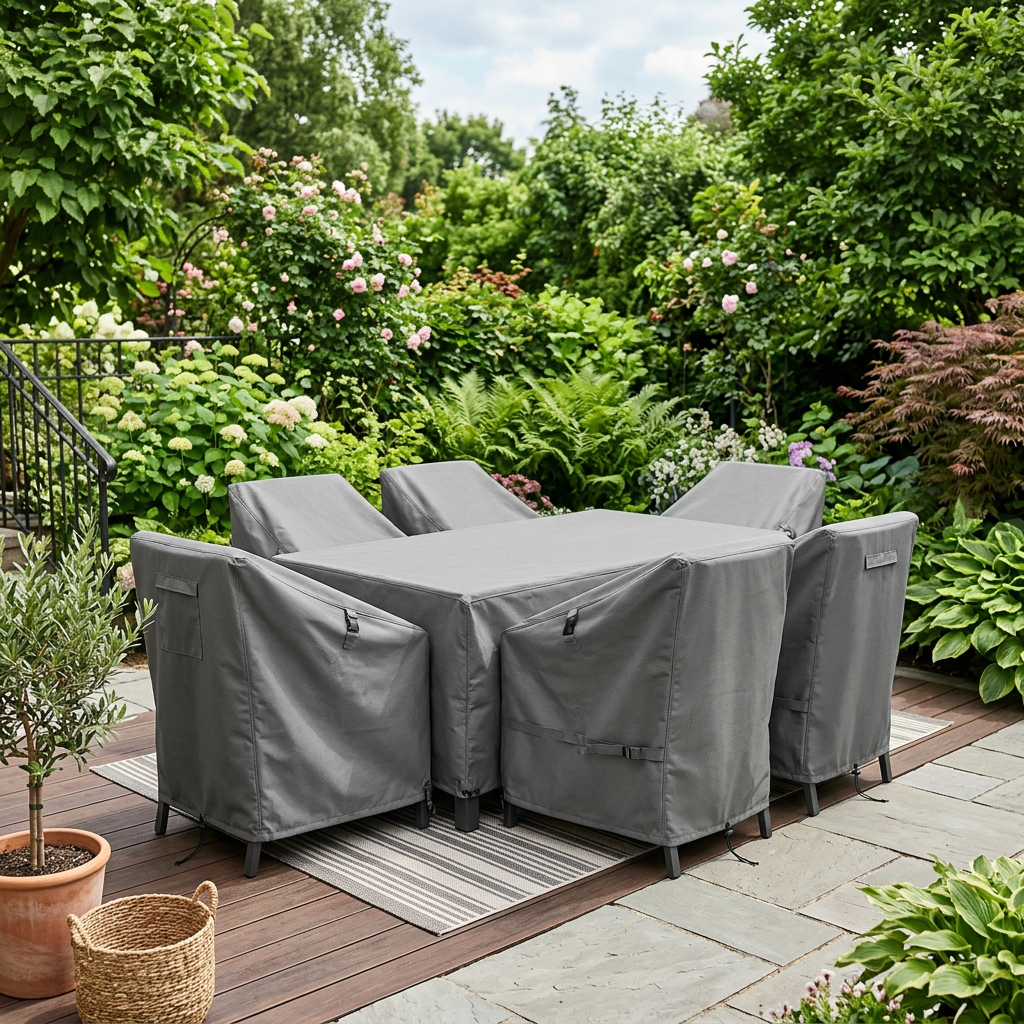
For dining sets, measure the entire table and chair arrangement if you plan to cover everything together.
One important tip: Measure your furniture in the exact configuration you intend to cover. If you usually push your dining chairs under the table, measure them in that position. If you leave them pulled out, include the additional space they occupy.
How Much Extra Room Should You Allow?
Your furniture cover shouldn't fit like a tightly stretched bedsheet. A little extra room makes it easier to put on and remove, accommodates minor differences in furniture positioning, and reduces unnecessary tension on the seams.
As a general guideline:
- Add approximately 2–4 inches to the furniture's length and width.
- Allow enough height to cover the furniture without stretching the fabric.
- Check the manufacturer's sizing recommendations, since some covers already include additional fitting allowance.
Avoid automatically adding too much extra space. An oversized cover can be just as problematic as an undersized one.
For example, if your outdoor sofa measures 80 inches long, 32 inches wide, and 30 inches high, look for a cover designed to accommodate those dimensions with a modest amount of additional room.
The goal is a comfortable fit that covers the furniture without excessive loose fabric.
Should You Choose a Cover That's Slightly Bigger?
A common question is whether it's better to buy a slightly larger patio furniture cover just to be safe.
The answer is: Yes, but only to a reasonable extent.
A cover with a little extra room is generally easier to install and remove. It also provides some flexibility if cushions or accessories slightly change the overall dimensions.
However, a cover that's significantly larger than your furniture can create several problems:
- Water accumulation: Excess fabric can sag and create low spots where rainwater collects.
- Wind damage: Loose material can catch the wind, causing the cover to flap, shift, or even blow away.
- Ground contact: A cover that hangs too low can drag across the patio, collect dirt, and become stained.
- Moisture problems: Excess fabric can reduce airflow and make it harder for moisture underneath to escape.
Rather than buying a much larger size, prioritize a cover that matches your furniture's actual dimensions and has adjustable straps, buckles, or drawstrings to secure the fit.
How to Prevent Water from Pooling on Your Patio Furniture Cover?
Water pooling is one of the most frustrating problems with outdoor furniture covers.
After a heavy rainstorm, you may find a puddle sitting in the middle of your cover. Over time, standing water can stretch the fabric, place additional stress on seams, and increase the risk of leaks.
Why does this happen?
Avoid a Low Center and Raised Edges
One common cause is the way the cover sits on the furniture.
If the center of the cover is lower than the surrounding edges, rainwater naturally flows toward that low point and collects there instead of draining away.
This is especially common when covering large dining tables, sectional sofas, or furniture with relatively flat upper surfaces.
How to prevent it:
- Create a slightly elevated center so rainwater can run off toward the sides.
- Use a suitable support pole or cover support system to prevent the fabric from sagging.
- Avoid leaving large, unsupported sections of fabric between furniture pieces.
- Check the cover after installation to make sure there are no deep depressions where water can accumulate.
A properly supported cover should encourage water to flow off rather than allowing it to sit in the middle.
Don't Overlook Furniture Arrangement
The way you arrange your outdoor furniture can also affect how well a cover works.
For example, if you push several chairs tightly together and place them underneath one oversized cover, the cover may sink into the gaps between the furniture pieces.
This can create multiple low spots where rainwater collects.
The opposite problem can also happen. If the furniture is arranged too closely together, the cover may not have enough room to drape naturally around the edges.
A better approach:
- Leave enough space between furniture pieces to allow the cover to sit smoothly.
- Avoid creating deep gaps or unsupported areas underneath the cover.
- Arrange chairs and stools in a stable, relatively even configuration.
- Use a support frame or pole if you're covering a large group of furniture.
For dining sets, pushing chairs neatly around the table can help create a more compact shape, but make sure the arrangement doesn't create deep depressions in the cover.
The key is to create a stable surface that supports the cover rather than allowing it to sink between furniture pieces.
Keep the Bottom of the Cover Off the Ground
Another common mistake is choosing a cover that's too long.
When the furniture is arranged too closely together, or the cover is oversized, the extra fabric may hang all the way down and touch the patio.
This can cause the bottom edge to collect mud, dust, fallen leaves, and water.
Every time you remove the cover, you may end up dealing with a dirty, wet fabric that's difficult to fold and store.
Ideally, the cover should extend low enough to protect the furniture but remain slightly above the ground.
This also helps maintain airflow underneath the furniture and reduces direct contact with standing water on the patio.
If your cover has adjustable buckles or drawstrings, use them to secure the bottom edge and prevent excessive sagging.

Choosing the right patio furniture cover requires more than matching a few measurements.
Measure carefully, allow a modest amount of extra room, and avoid oversized covers that sag or drag on the ground. Pay particular attention to water drainage and ventilation, especially if your furniture stays outdoors throughout the year.
With the right combination of fit, material, and maintenance, a good patio furniture cover can help keep your outdoor furniture cleaner, drier, and in better condition for years to come.