
Guide

How to Choose the Right Size for L-Shaped Outdoor Furniture?

How to Choose the Right Size for L-Shaped Outdoor Furniture

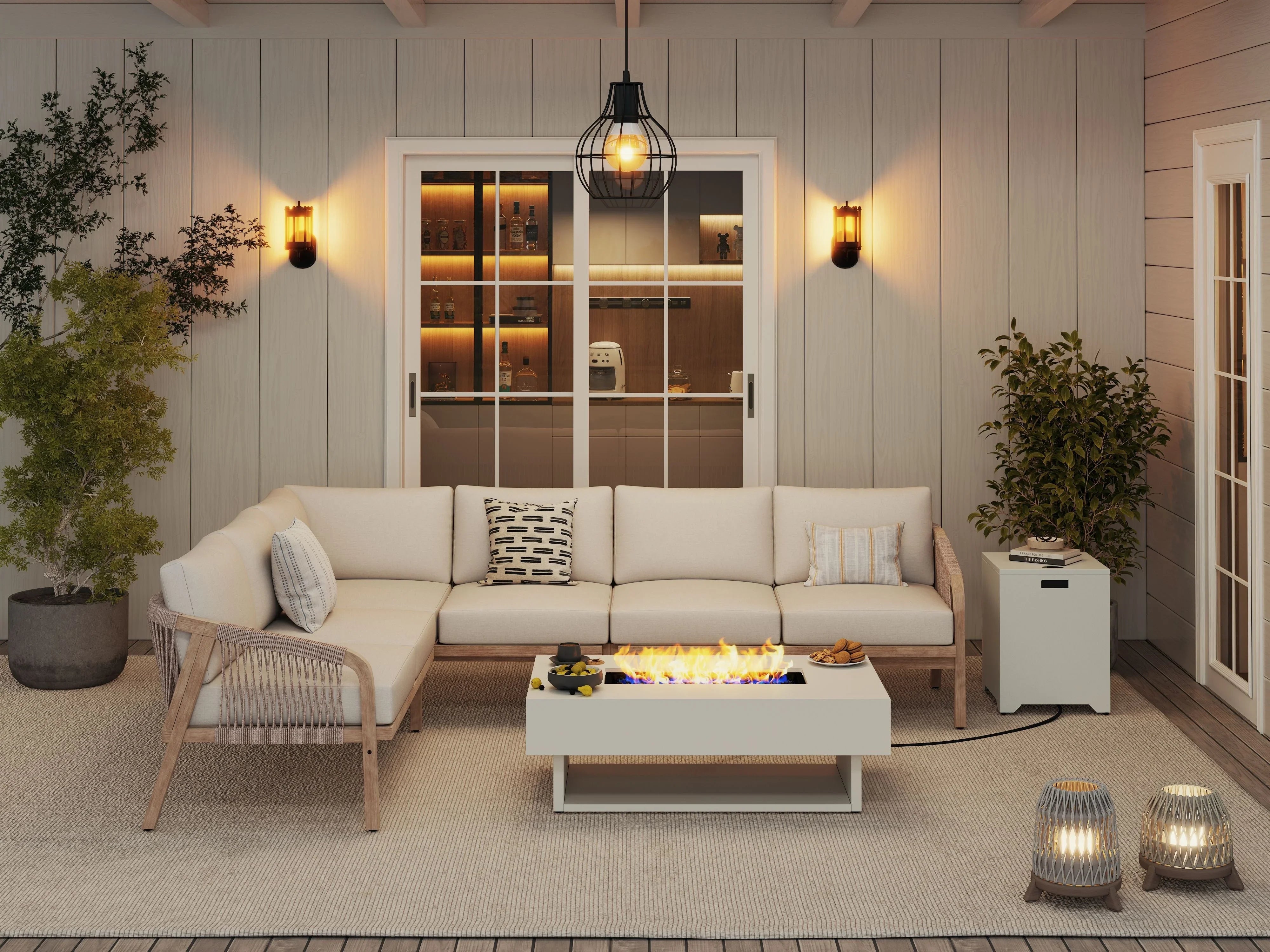
An L-shaped outdoor furniture set is one of the best ways to create a comfortable and inviting outdoor living area. It offers generous seating, encourages conversation, and makes efficient use of patio corners. However, choosing the wrong size can leave your outdoor space feeling cramped or underutilized.

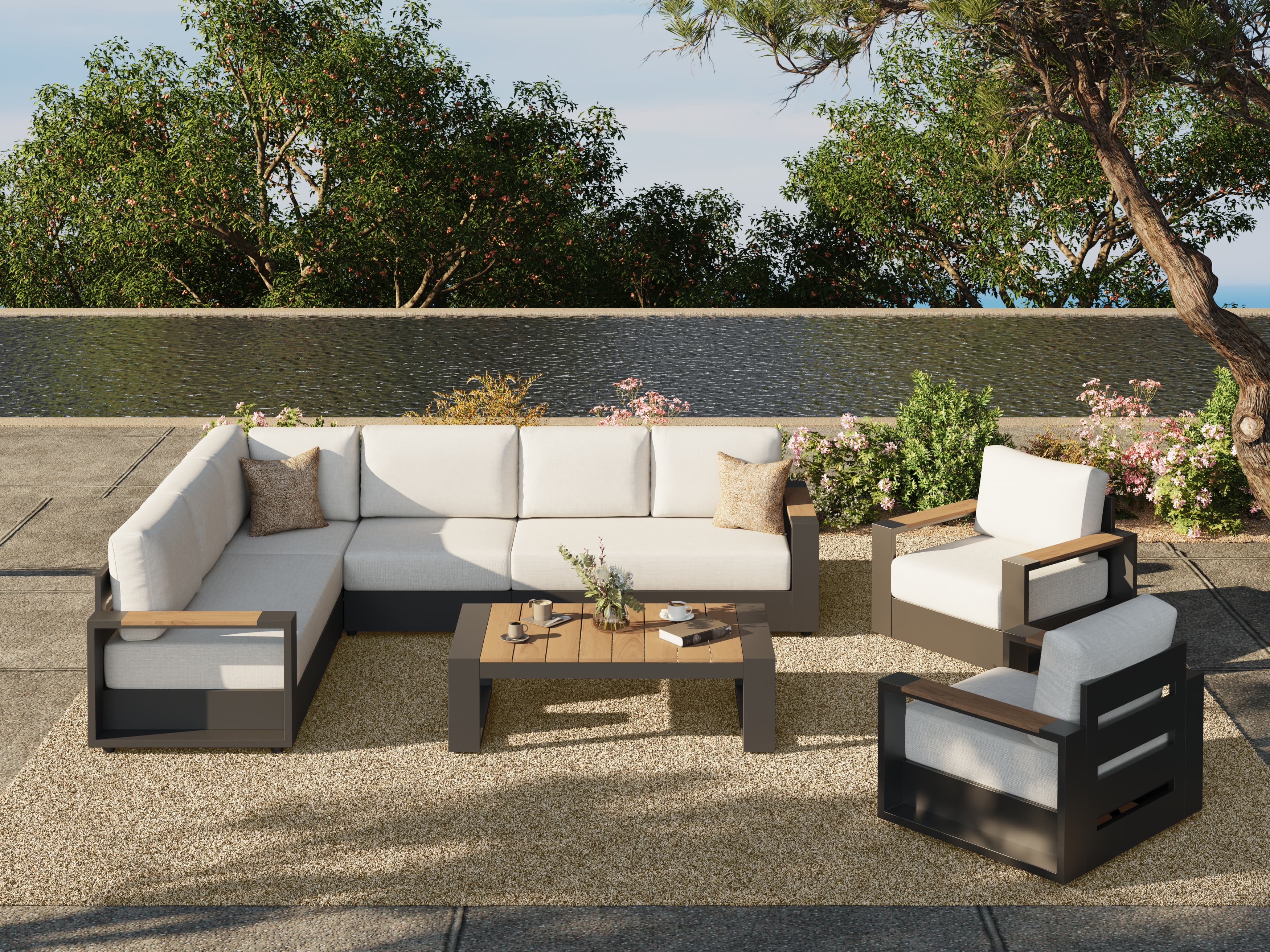
acacia wood Outdoor patio l-shaped sectional set with a square coffee table - Jardina Modern Premium Outdoor Patio Furniture Sets

Here’s a step-by-step guide:

1. Measure Your Outdoor Space

First, clarify the size and layout of the installation area to avoid the sofa being too large or too small.
  • Total Available Area: Measure the length and width of the corner or area where the sofa will be placed, leaving enough space for walking and activities (recommended to reserve at least 70–100 cm of aisle space around the sofa).
  • Wall/Corner Fit: For L-shaped sofas placed in corners, ensure the two sides of the "L" fit the corner walls or railing dimensions. For example, if the corner forms a 90° angle, the sofa’s two arms should ideally align with the walls to avoid gaps.

2. Determine the Sofa’s Structural Dimensions

L-shaped sofas typically consist of two parts: a long side (main seat) and a short side (chaise or side seat). Key dimensions to consider include:


Component Recommended Dimensions Considerations
Total Length 220–300 cm (for small to medium spaces)
300–360 cm (for large spaces)
Ensure it does not exceed the available width of the corner area.
Depth 80–100 cm (seat depth) Affects sitting comfort; deeper seats are suitable for lounging, while shallower ones are more upright.
Height 65–85 cm (total height)
40–50 cm (seat height)
Matches the height of outdoor tables and ensures easy getting on/off.
Angle Between Arms 90–105° A 90° angle fits tight corners, while a wider angle (e.g., 105°) suits open, relaxed layouts.
Seat Width per Person 50–60 cm per seat Ensure sufficient space for comfort, especially for family or group use.

3. Consider Usage Scenarios and Seating Capacity

  • Single vs. Multiple Users:

Small Spaces (2–3 people): Choose a compact L-shape (e.g., total length 220–250 cm) with a short side as a chaise.

Large Groups (4–6 people): Opt for a modular L-shape with detachable seats or extendable sections (e.g., total length 300+ cm).

  • Functionality:

Lounging: Prioritize deeper seats (90–100 cm) and a longer chaise (150–180 cm).

Socializing: Ensure the sofa faces other furniture (e.g., coffee tables, dining tables) and allows easy conversation.

4. Match with Other Furniture Proportions

  • Coffee Table: The height of the coffee table should be roughly equal to the sofa’s seat height (40–50 cm), and its length should be 2/3–3/4 of the sofa’s main side length.
  • Side Tables/Planters: Leave 30–50 cm of space next to the sofa for placing items or greenery.
  • Canopy/Shade Structures: Ensure the sofa fits under umbrellas or pergolas, with at least 50 cm of clearance on all sides.

5. Account for Outdoor Environment and Layout

  • Balcony/Patio Shape:

Narrow Balconies: Choose a compact L-shape with a short side ≤120 cm to avoid overcrowding.

Spacious Patios: Opt for a wraparound L-shape or combine with ottomans for flexibility.

  • Wind and Sun Exposure: If the sofa is placed in a windy area, avoid overly large sizes that may require additional anchoring. For sunny spots, ensure the layout allows for easy placement of sunshades.

6. Test with Mockups or Templates

  • Tape/Chalk Layout: Use tape or chalk to mark the sofa’s footprint on the ground to visualize the space.
  • Modular Sofas: Consider modular designs that can be reconfigured to adapt to seasonal or spatial changes.

7. Material and Style Considerations

  • Fabric Thickness: Thick cushions increase overall dimensions (e.g., adding 10–15 cm to seat depth).
  • Frame Design: Streamlined metal or wicker frames take up less visual space, while bulky wooden frames may require more clearance.

Example Sizing Guide by Space

Space Type Recommended Sofa Size (Length × Depth) Seating Capacity
Small Balcony 220 × 85 cm 2–3 people
Medium Patio 280 × 95 cm 4–5 people
Large Garden Lounge 340 × 100 cm 6–8 people


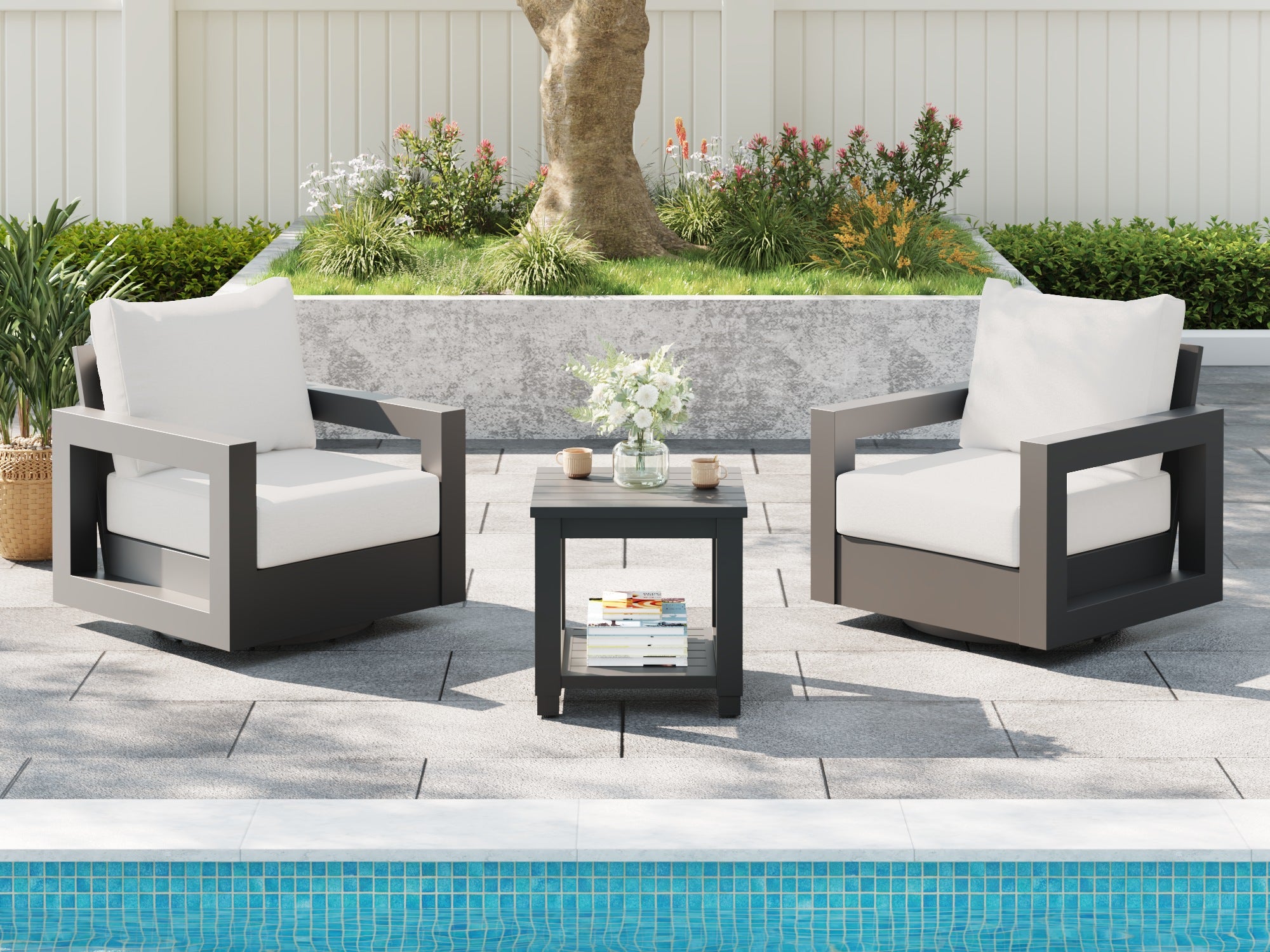
L-shaped aluminum outdoor sectional set with a rectangular coffee table, wooden tabletop

Final Tips

  • Prioritize comfort over size—ensure there is enough room to sit and stretch.
  • Leave space for future furniture additions (e.g., side tables, outdoor rugs).
  • For custom sofas, provide precise measurements to the manufacturer and confirm the design through renderings.

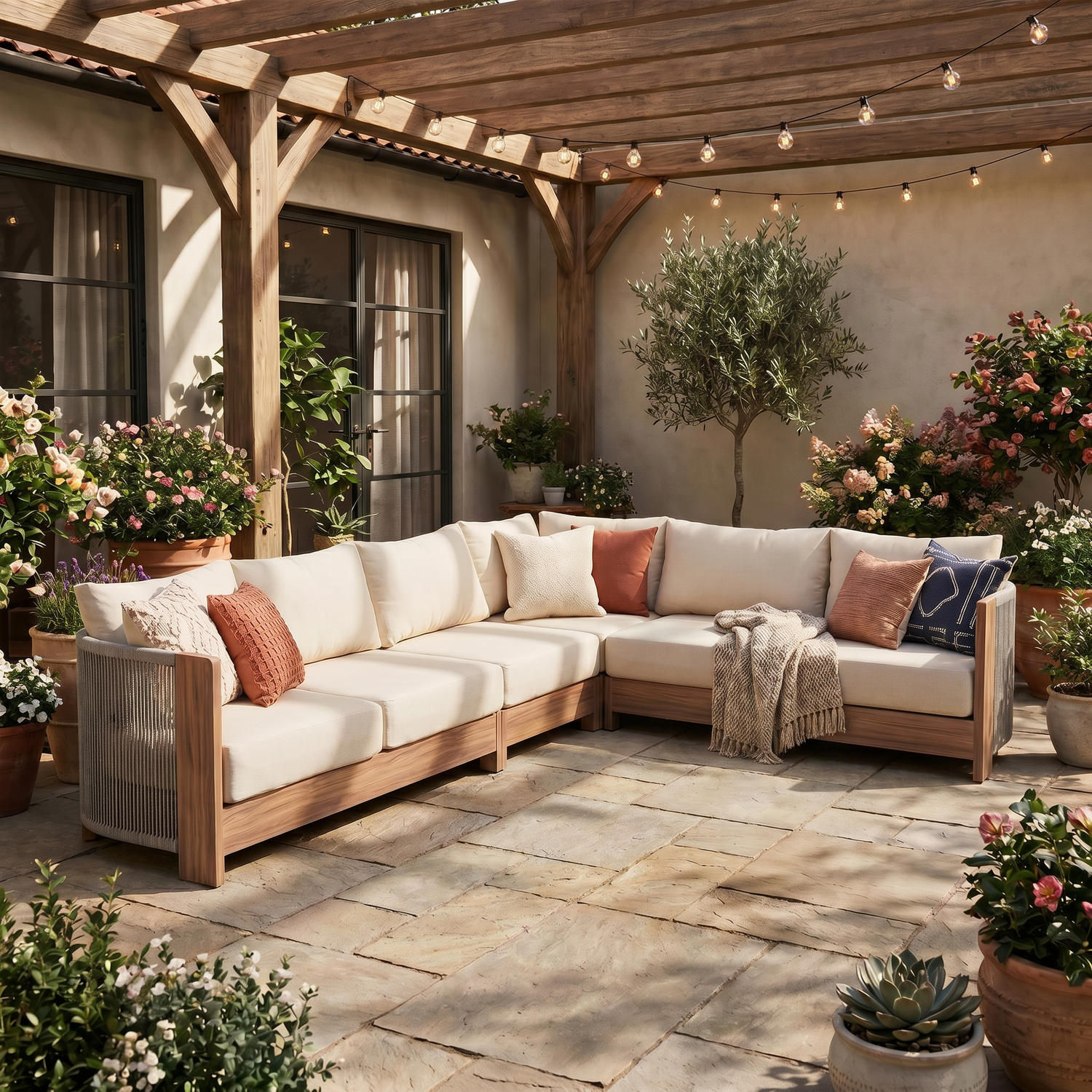
L-shaped Aluminum modern outdoor sectional sofa set with two round woven rope side tables, light beige cushions and natural wood-look frames under a covered pergola with sheer curtains- Jardina outdoor modern premium patio furniture

If you're looking for a stylish and durable L-shaped outdoor sectional, Jardina offers modern designs in premium materials such as weather-resistant aluminum, teak, and performance fabrics. With configurations for both compact patios and spacious backyards, it's easy to find a sectional that fits your outdoor lifestyle while delivering lasting comfort and timeless style.

Featured Posts

View all
GuideWhat is WPC (Wood Plastic Composite)?

What is WPC (Wood Plastic Composite)?

If you love the classic, warm look of real wood but dread the endless sanding, staining, and seal-treating that comes with it, you are not alone. Traditional timber outdoor furniture looks breathta...

Guide5 Popular Wicker Furniture Weaving Techniques

5 Popular Wicker Furniture Weaving Techniques

Beyond color and cushions, the weaving technique used to create wicker furniture plays a big role in its overall style and texture. Each technique has a unique look, making it easy to find a piece ...

Guide6 Repair Methods of Solid Wood Furniture

6 Repair Methods of Solid Wood Furniture

Solid wood furniture is built to last, but environmental exposure and daily use can cause wear over time. Whether you’re dealing with minor cosmetic flaws or structural damage, restoring your piece...

GuideBistro Tables vs. Regular Dining Tables: Key Differences & How to Choose for Your Patio

Bistro Tables vs. Regular Dining Tables: Key Differences & How to Choose for Your Patio

Wondering how a bistro table differs from a regular patio table? Learn the key differences in size, function, and pairing options for small outdoor spaces. When shopping for outdoor furniture, you’...

GuideWhich Outdoor Furniture Cover Materials Can Be Machine Washed

Which Outdoor Furniture Cover Materials Can Be Machine Washed?

Outdoor furniture covers help protect your patio furniture from rain, UV rays, dirt, pollen, and snow. But after months of outdoor use, they also collect dust, bird droppings, tree sap, and mildew,...

GuideMaterials of Outdoor Furniture Covers

5 Materials of Outdoor Furniture Covers

Outdoor furniture is designed to withstand the elements, but even the most durable patio sets benefit from extra protection. A high-quality outdoor furniture cover helps shield your furniture from ...