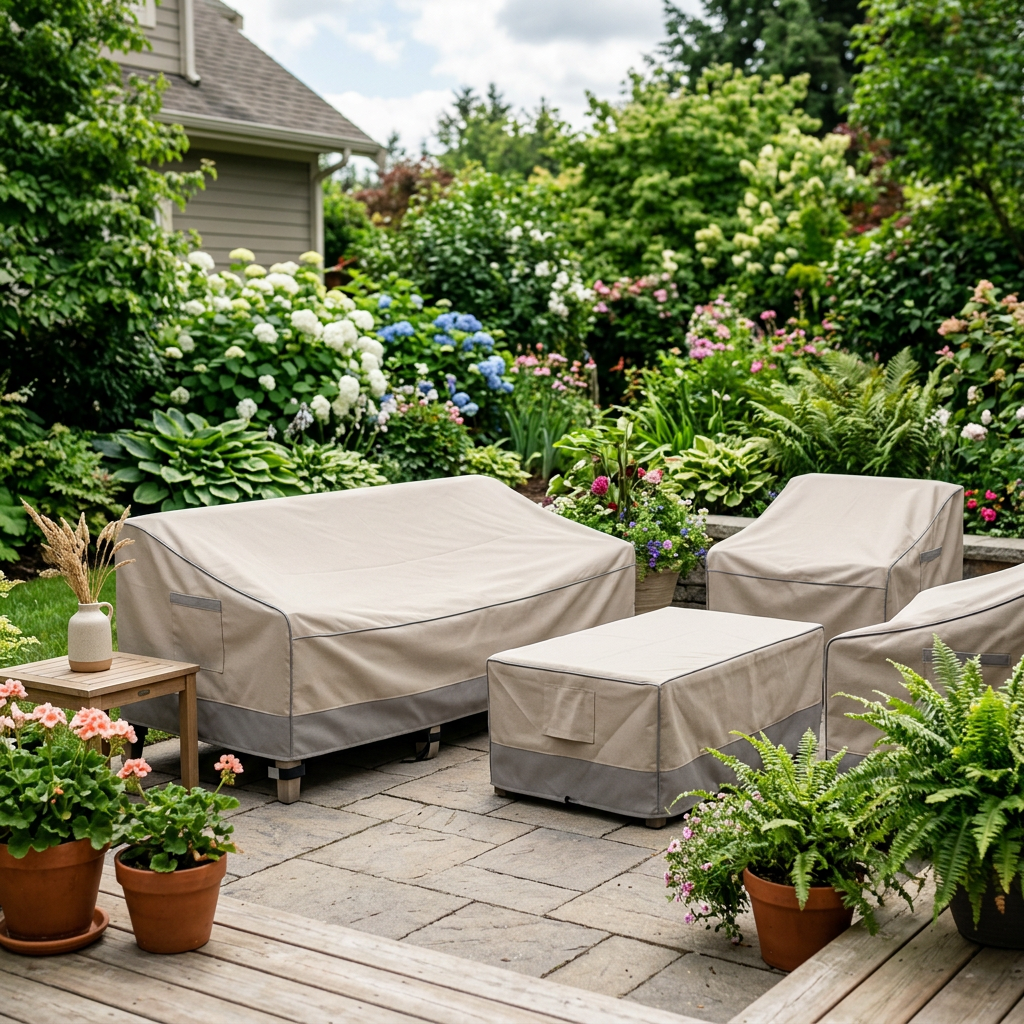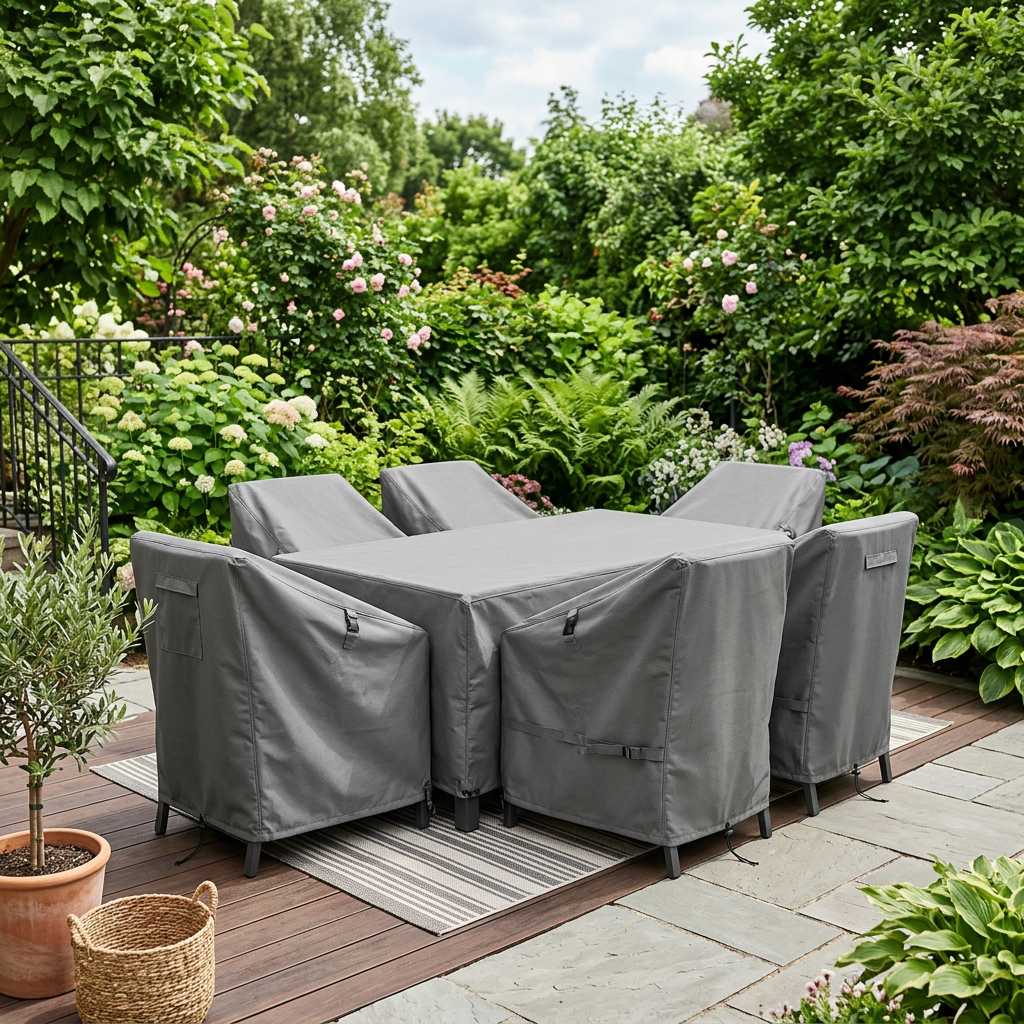

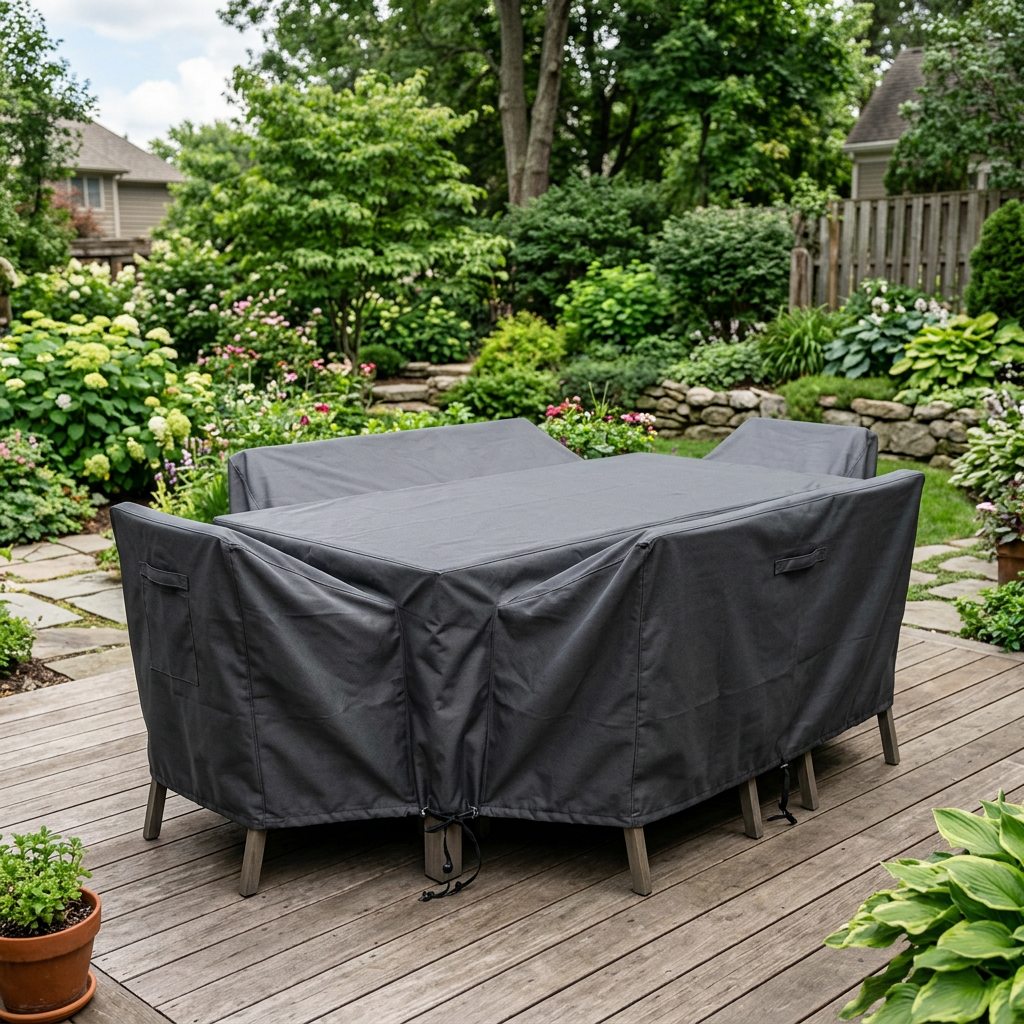
A high‑quality patio furniture cover is a smart investment to shield your outdoor dining sets, sofas and seating from sun, rain, snow and debris. However, even the toughest cover will not last forever. Many homeowners wonder how frequently they need to swap out their covers to keep patio pieces fully protected. The short answer: there is no one‑size‑fits‑all replacement timeline.
There isn't a universal replacement schedule for patio furniture covers. Their lifespan depends on material quality, exposure to sunlight, local weather conditions, frequency of use, and how well they're maintained. A cover used occasionally on a shaded patio may last considerably longer than one exposed to intense sunlight, heavy rain, and strong winds throughout the year. Heavy‑duty Oxford‑fabric covers can hold up for multiple seasons under mild conditions, while budget‑grade options may show significant wear after just one or two harsh seasons.
Rather than marking your calendar for a fixed replacement date, watch for physical warning signs of degradation. Aging fabric and failing coatings will give clear clues before your patio furniture suffers avoidable damage.

Key Warning Signs It Is Time for a New Cover
1. Cracking or peeling fabric coating
If you notice flaking, cracking or chalky residue on the surface or inner lining, the outer protective coating is deteriorating. Once this layer breaks down, the cover loses its core water‑repellent ability, putting your wooden, wicker or metal furniture at risk of moisture damage.
2. Fading and brittleness
Prolonged UV exposure gradually breaks down fabric fibers and UV‑stabilized treatments. When your cover looks noticeably faded, feels stiff or brittle especially along fold lines, its sun‑blocking performance has weakened. A brittle cover can tear suddenly during wind or storm events, leaving your outdoor set completely exposed.
3. Persistent leaks
Water that soaks through the material, even when the cover is fitted correctly and kept clean, signals irreversible damage. Simple cleaning will not restore waterproof performance once the coating has worn away.
4. Torn seams or holes
Small rips, punctures or split seams create open pathways for rain, dust, fallen leaves and pests to reach your furniture underneath. Tiny holes tend to expand during windy weather and repeated handling.
5. Loose or damaged fasteners
Broken straps, buckles, or drawstrings make it difficult to secure the cover tightly in place. Without working fasteners, the cover will flap, shift, or blow off during gusty conditions — a poorly secured cover offers almost no real‑world protection. If fastener parts cannot be repaired, full replacement is recommended. For guidance on achieving a secure, well‑fitted setup, read our sizing guide: How to Choose the Right Size Patio Furniture Cover
6. Persistent mold or stubborn odors
Occasional mildew can be washed away, but recurring mold and musty smells that survive thorough cleaning point to permanent fabric degradation. The material may hold excess moisture and trap condensation, which will transfer mold spores onto your patio tables and chairs.
Pro Tip: Seasonal Inspection Routine
Instead of waiting for catastrophic failure, build simple cover checks into your outdoor‑living calendar. A practical approach is to inspect your cover at the beginning and end of each outdoor season, especially after periods of severe weather such as heavy thunderstorms, ice or high winds.
During inspections, look for sagging fabric, water‑pooling risk, dirt buildup and any of the warning signs listed above. Clear away leaves and debris, and confirm all straps and drawcords still function properly. Always make sure the cover is fully dry before folding and storing it for off‑season months, to slow mildew formation and extend usable life.

Replacing a worn‑out cover is far more cost‑effective than repairing or replacing expensive patio furniture. If multiple warning signs appear, start shopping for a durable replacement suited to your furniture dimensions and local climate. Explore our selection of weather‑resistant options built for long‑term outdoor use: furniture‑cover
Choosing a correctly sized, heavy‑duty cover and performing routine seasonal checks will help you get the maximum service life from every cover you own.