
Wooden furniture has a timeless appeal—warm, natural, and full of character. But one common question buyers ask is: “Does wooden furniture always need to be painted or sealed?”
The short answer: not always, but choosing whether or not to apply a finish depends on your environment, aesthetic preferences, and how you plan to use the furniture.
Why Applying a Protective Finish Matters
1. Protects the Wood from Damage
When raw wood is directly exposed, it is more vulnerable to scratches, abrasion, moisture, and UV rays. A protective coating—whether paint, oil, or sealant—creates a durable barrier that significantly extends the furniture’s lifespan.
A finish helps regulate how wood interacts with humidity in the air. This is crucial in places with extreme dryness or high humidity, as it reduces the risk of warping, swelling, or cracking.
2. Enhances Visual Appeal
A well-applied finish refines the natural beauty of wood:
- Minimizes uneven color patches
- Highlights wood grain patterns
- Improves sheen and texture
- Helps conceal small surface imperfections
Finishing allows the furniture to look polished and cohesive, especially in modern or contemporary outdoor settings.
3. Makes Cleaning and Maintenance Easier
Without a finish, wood pores remain open, allowing dust, oils, and dirt to settle inside. Finished wood, on the other hand, has a smoother sealed surface:
- Wipes clean with a damp cloth
- Resists staining
- Requires minimal maintenance compared to unfinished wood
For households that value convenience, a protective finish is often the practical choice.
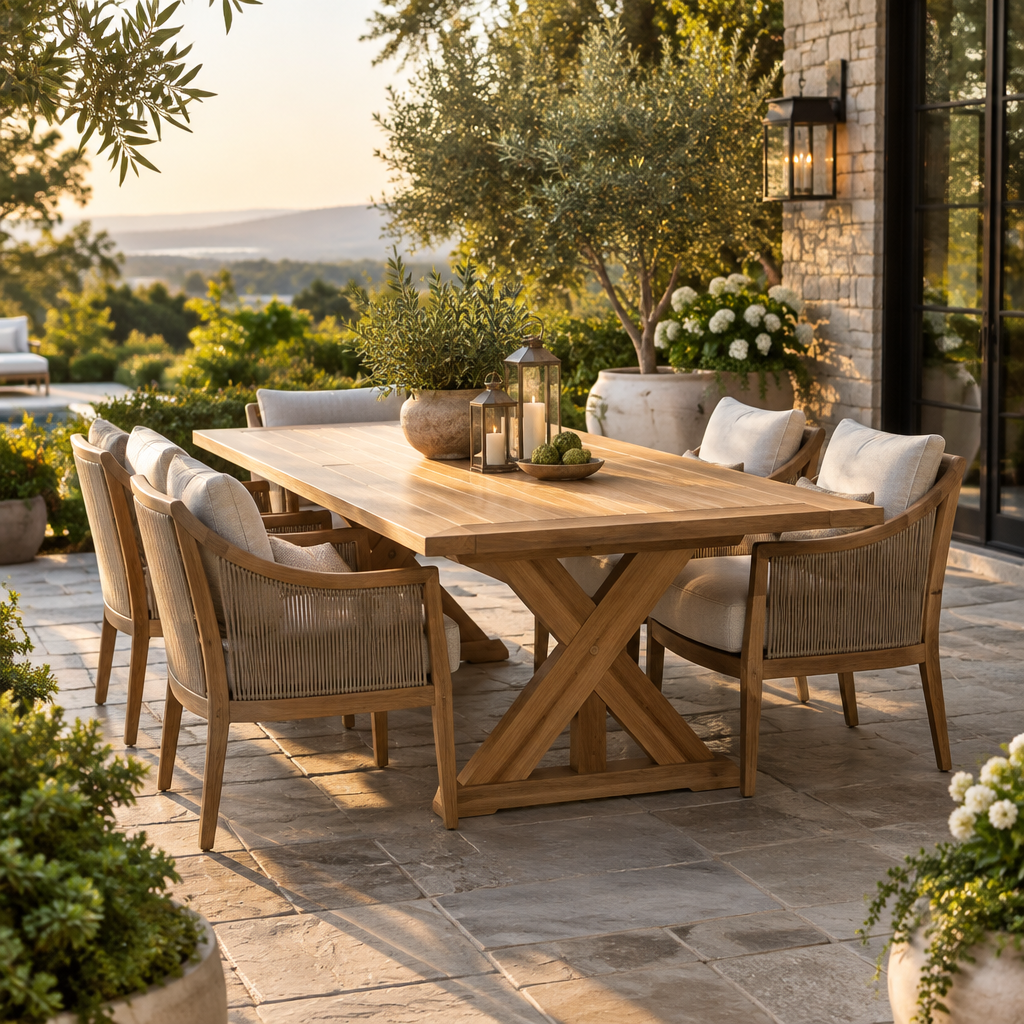
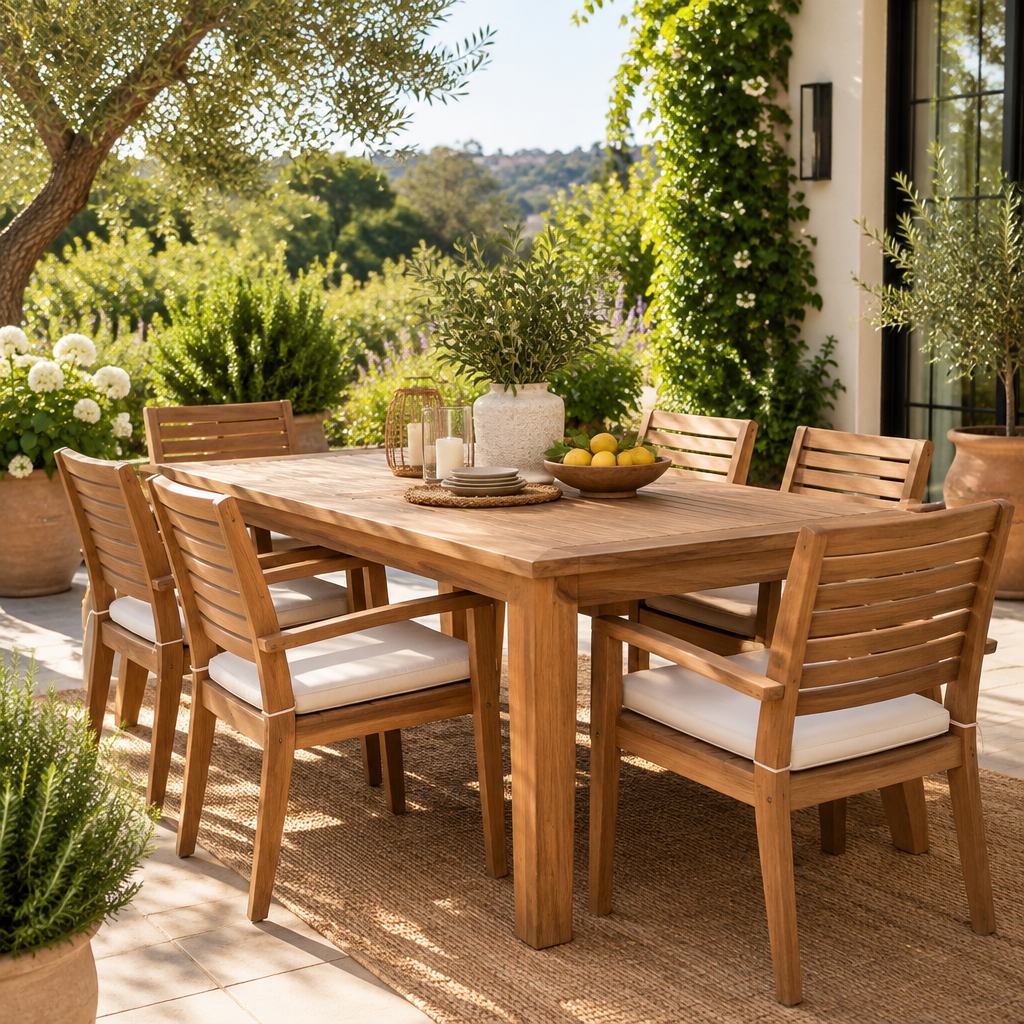
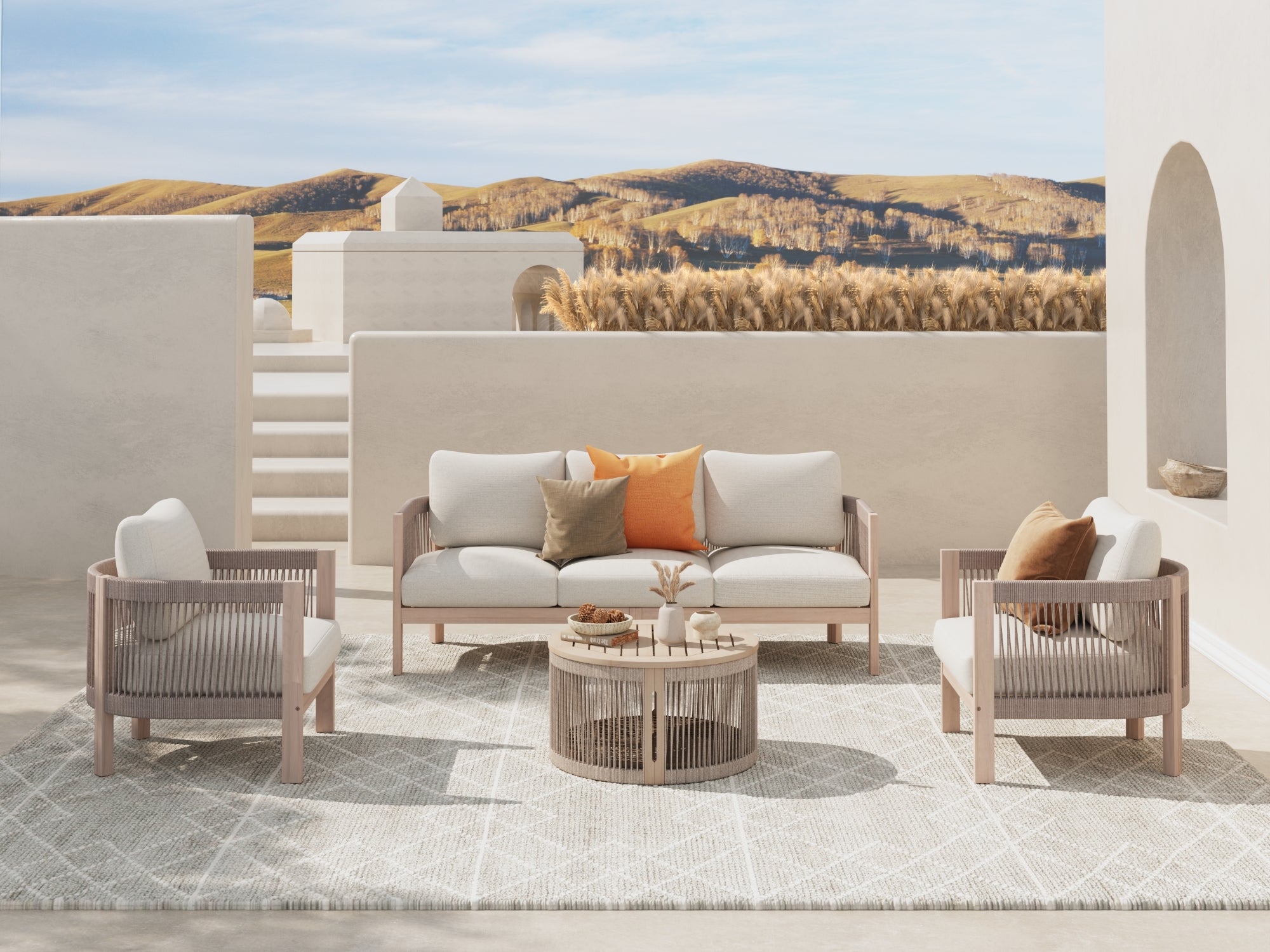
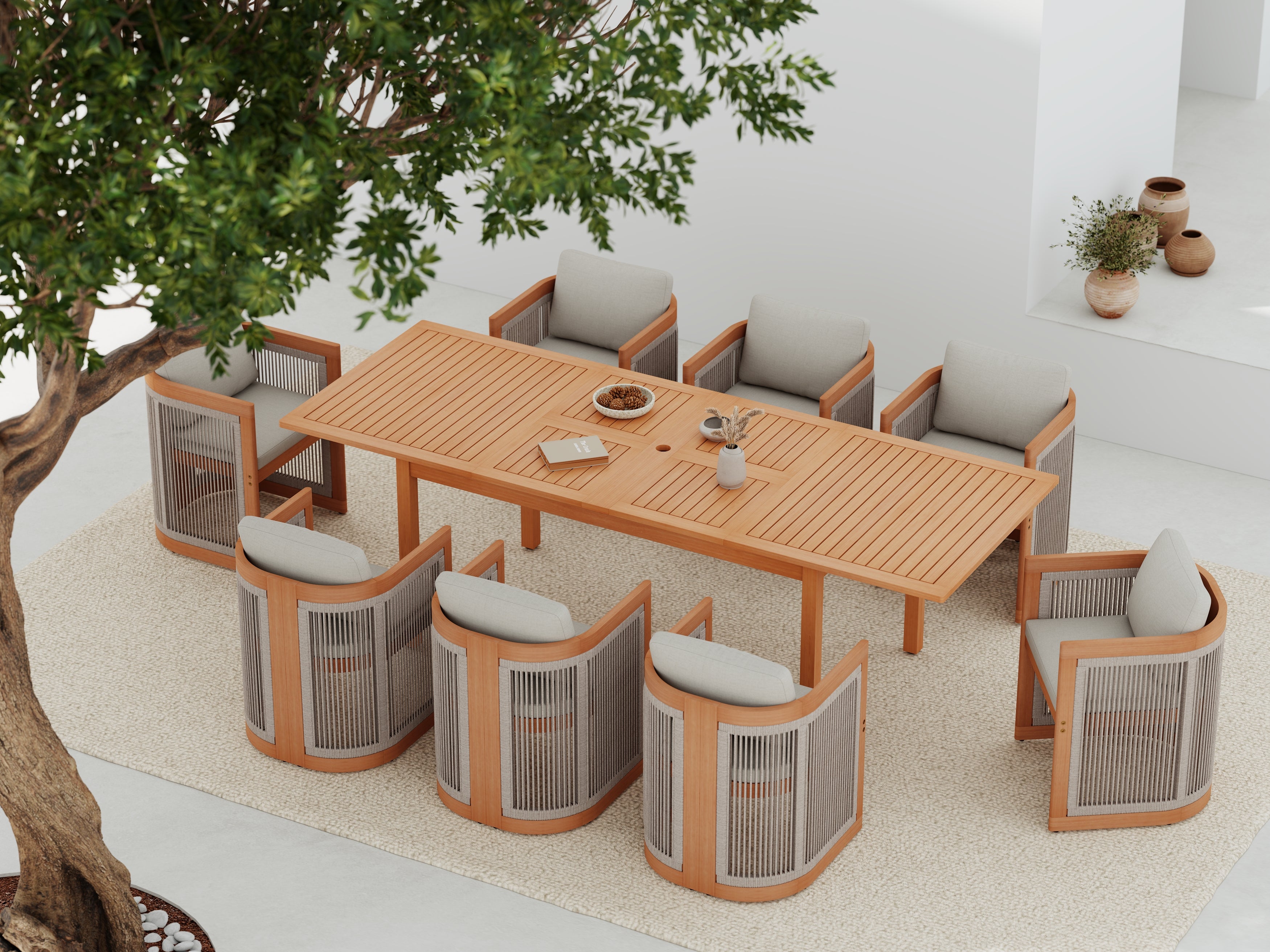
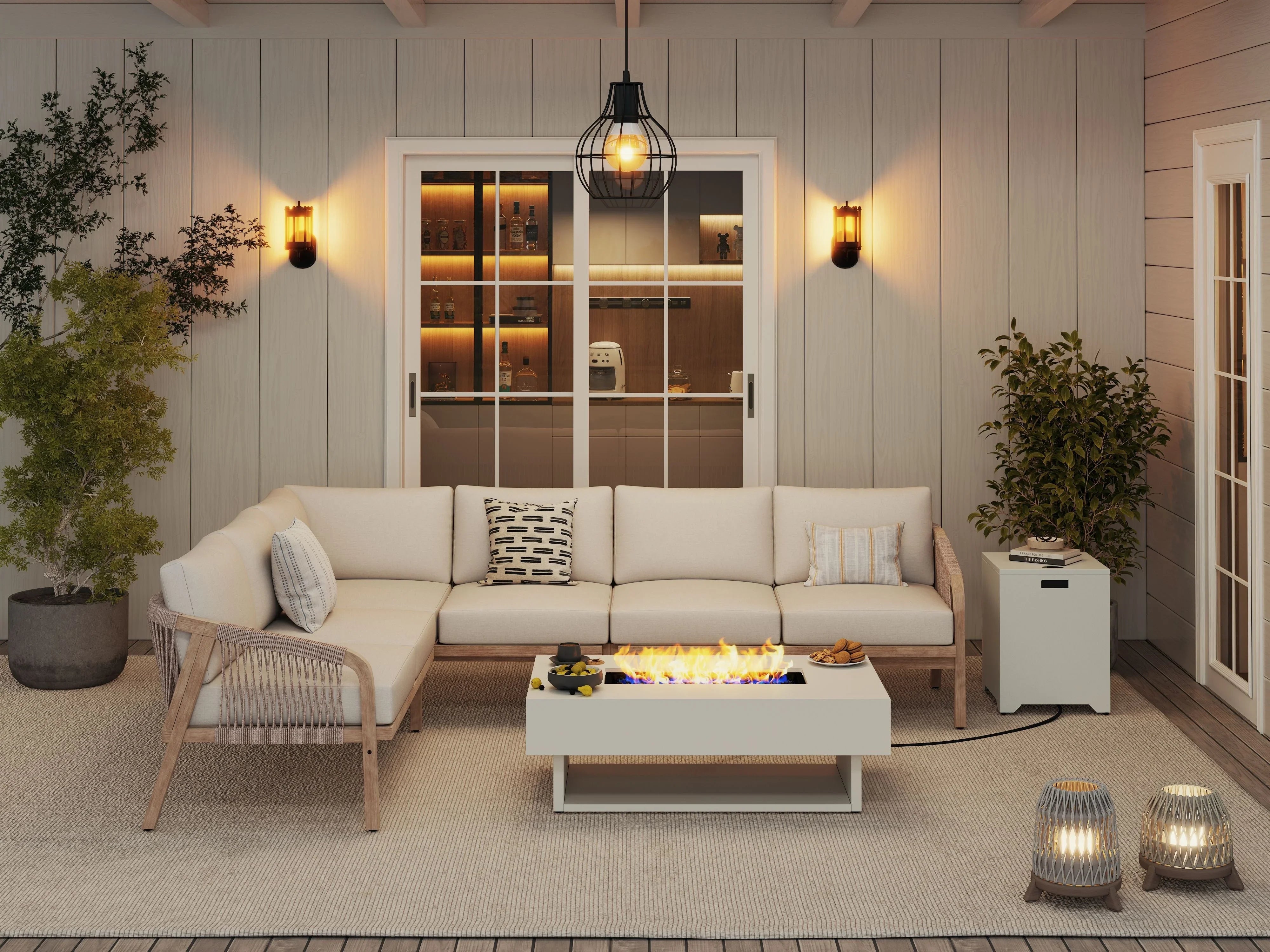
The Mori Wooden Outdoor Dining Set uses a finished surface to enhance outdoor durability. Even though the set features stylish nylon-corded chairs and a natural wood frame, its protective finish adds resistance against moisture and sun exposure, making it ideal for everyday outdoor use.

When You Don’t Need to Apply a Finish
Although finishing has many benefits, there are situations where going natural is the better option.
1. When You Prefer a Raw, Natural Look
Some homeowners love the authentic, tactile feel of raw wood. Unfinished wood retains its natural “breathability” and rustic charm, making it perfect for minimalist, bohemian, or eco-inspired decor.
2. When the Wood Has Undergone Alternative Treatments
Modern woodworking techniques can improve durability without traditional coatings.
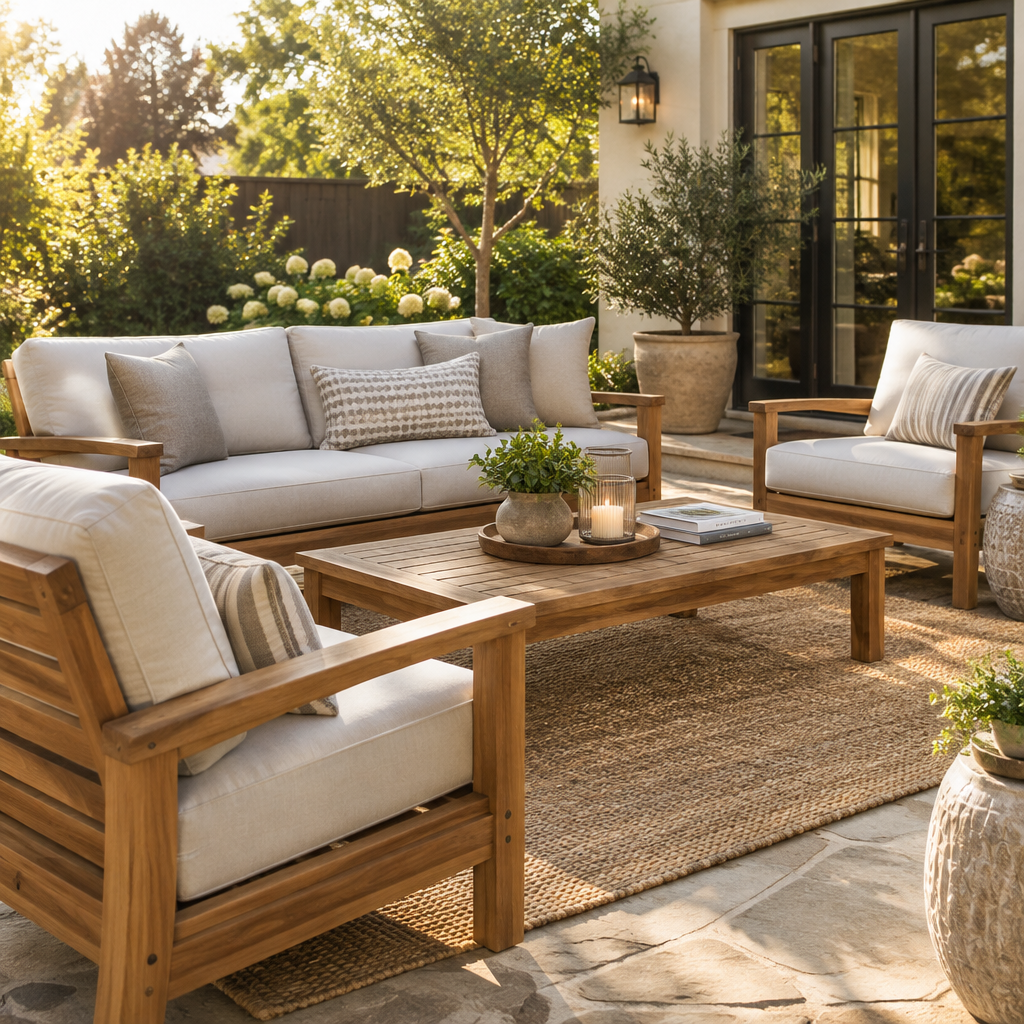
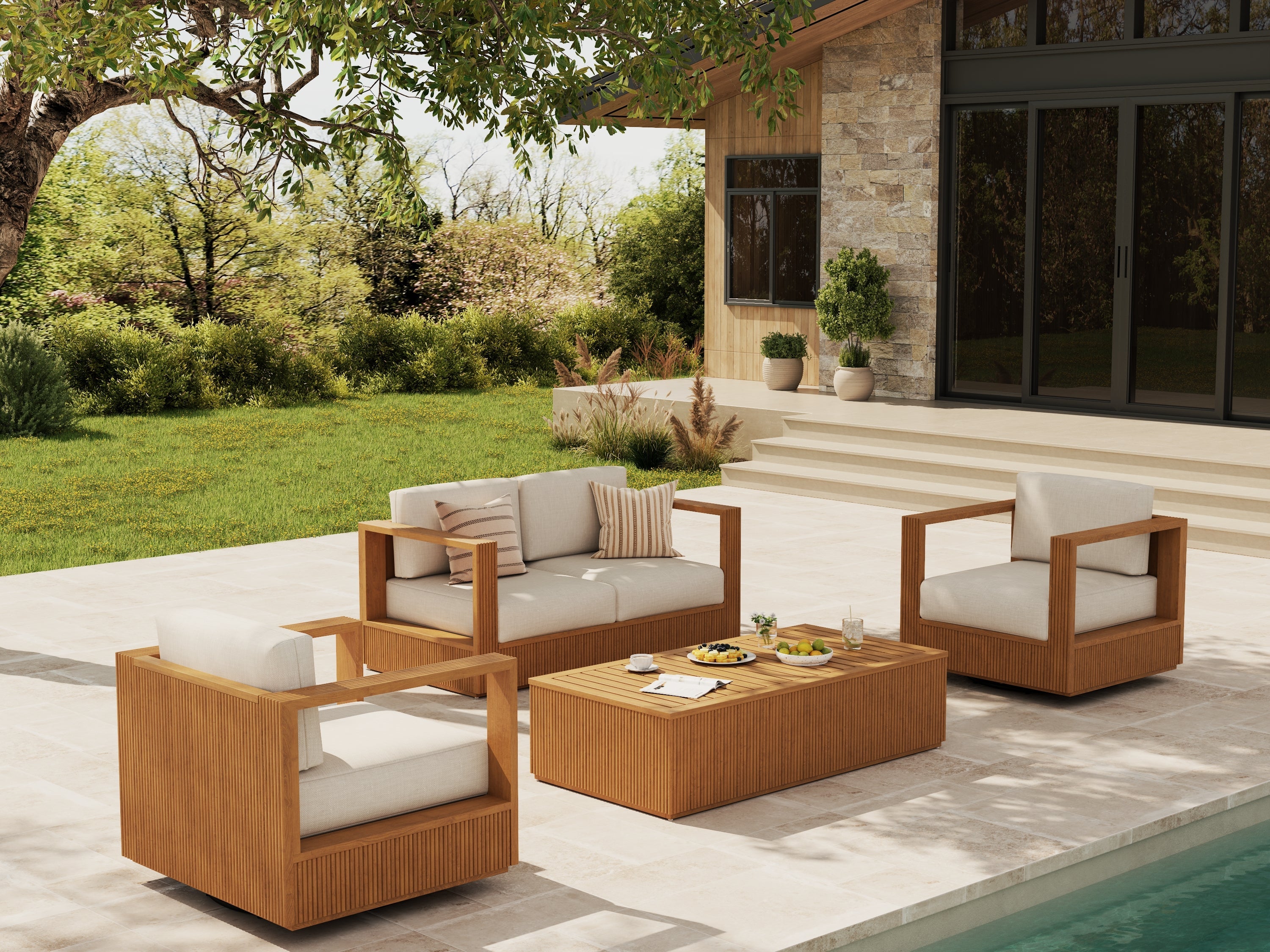
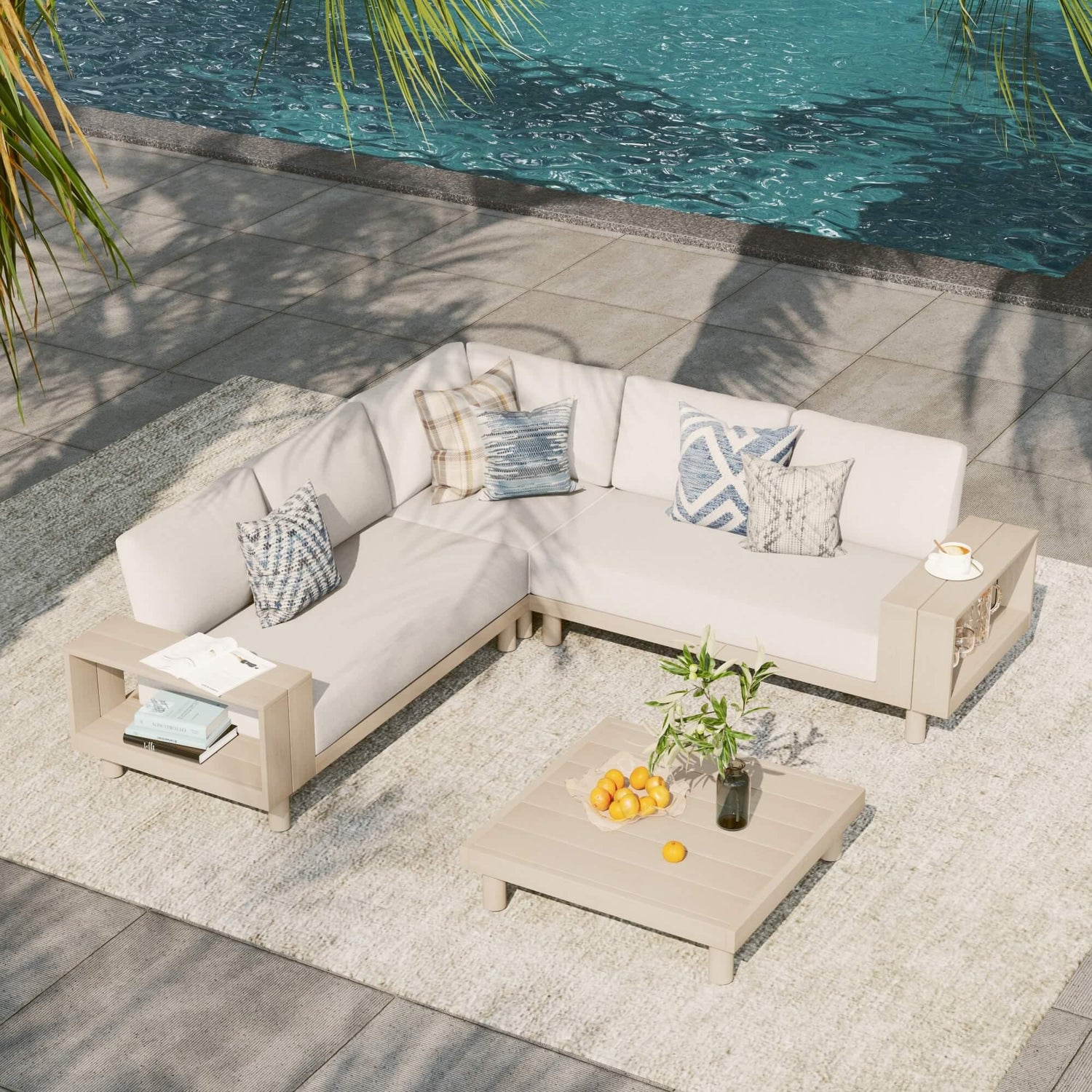
For example, the Thalea outdoor wood furniture sets use wire-brushed detailing and kiln-drying processes, which:


- Enhance natural grain texture
- Increase moisture resistance
- Improve structural stability
- Add natural anti-corrosion benefits
Because of these treatments, Thalea furniture maintains a beautifully organic appearance while still offering outdoor-ready performance—without relying heavily on paint or thick surface coatings.

How to Choose: Finished vs. Unfinished Wood
Here’s a quick guide to help you decide:
| Preference / Condition | Choose Finished Wood | Choose Natural / Unfinished Wood |
|---|---|---|
| High humidity, rain, outdoor use | ✔ Better protection | ✖ Not ideal unless treated |
| Want low maintenance | ✔ Easy to clean | ✖ Requires more care |
| Prefer glossy or polished appearance | ✔ Looks refined | ✖ Too rustic |
| Love natural texture, matte look | ✖ Less raw feel | ✔ Very natural |
| Minimalist or rustic style | Optional | ✔ Perfect fit |
In short, wooden furniture doesn’t always require a heavy finish, but the right treatment depends on your environment and style preference. Finished pieces offer durability and easy maintenance, while naturally treated collections like Thalea highlight authentic texture with reliable outdoor performance. No matter which style you choose, proper upkeep is essential—how to care for wood outdoor furniture comes down to regular cleaning, avoiding prolonged moisture exposure, and reapplying protective oils or sealants when needed to keep your pieces looking their best.