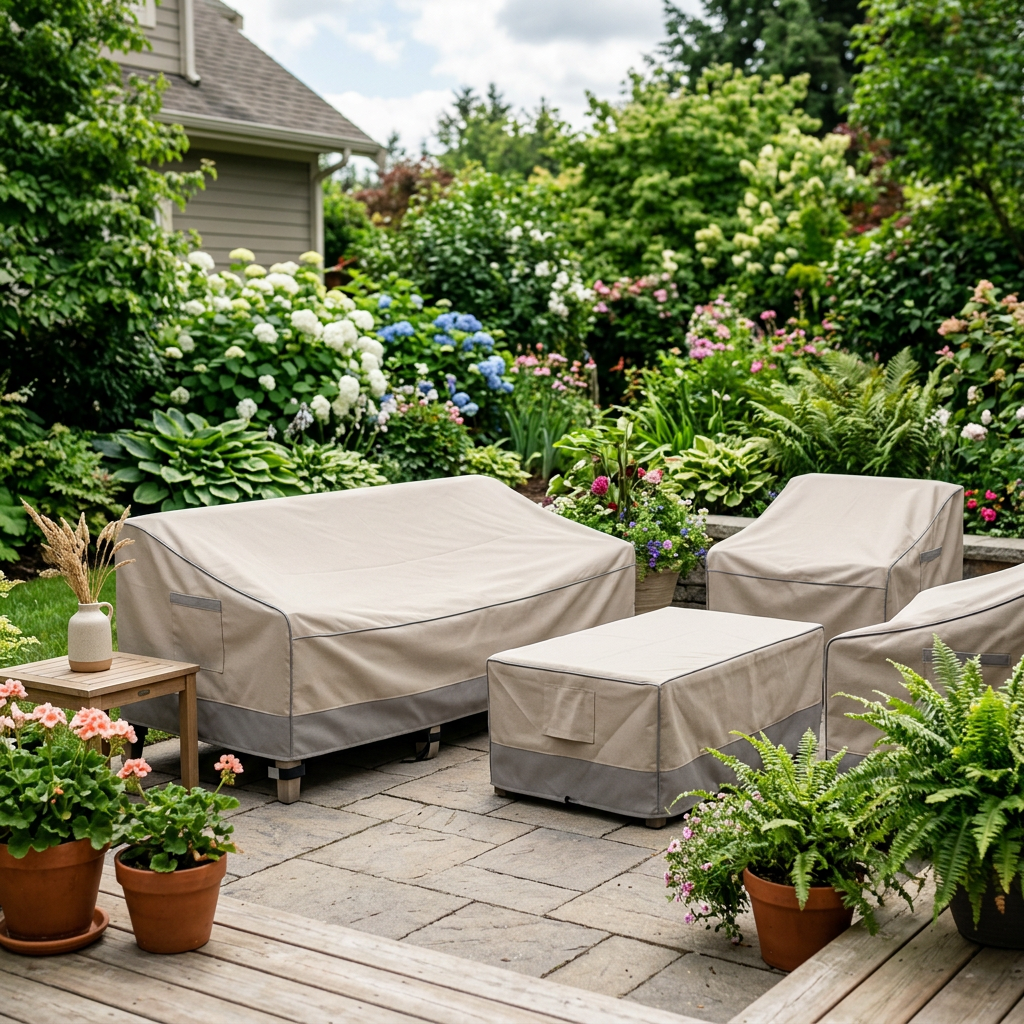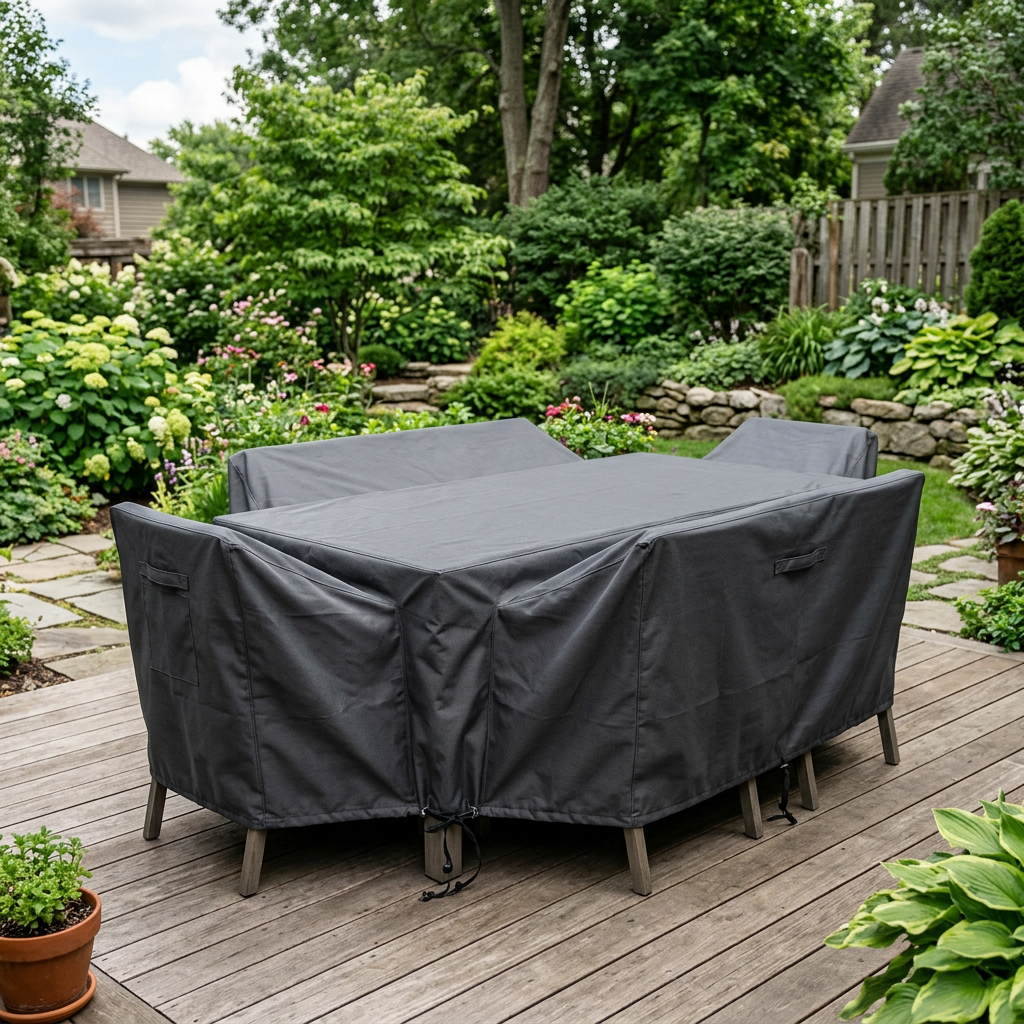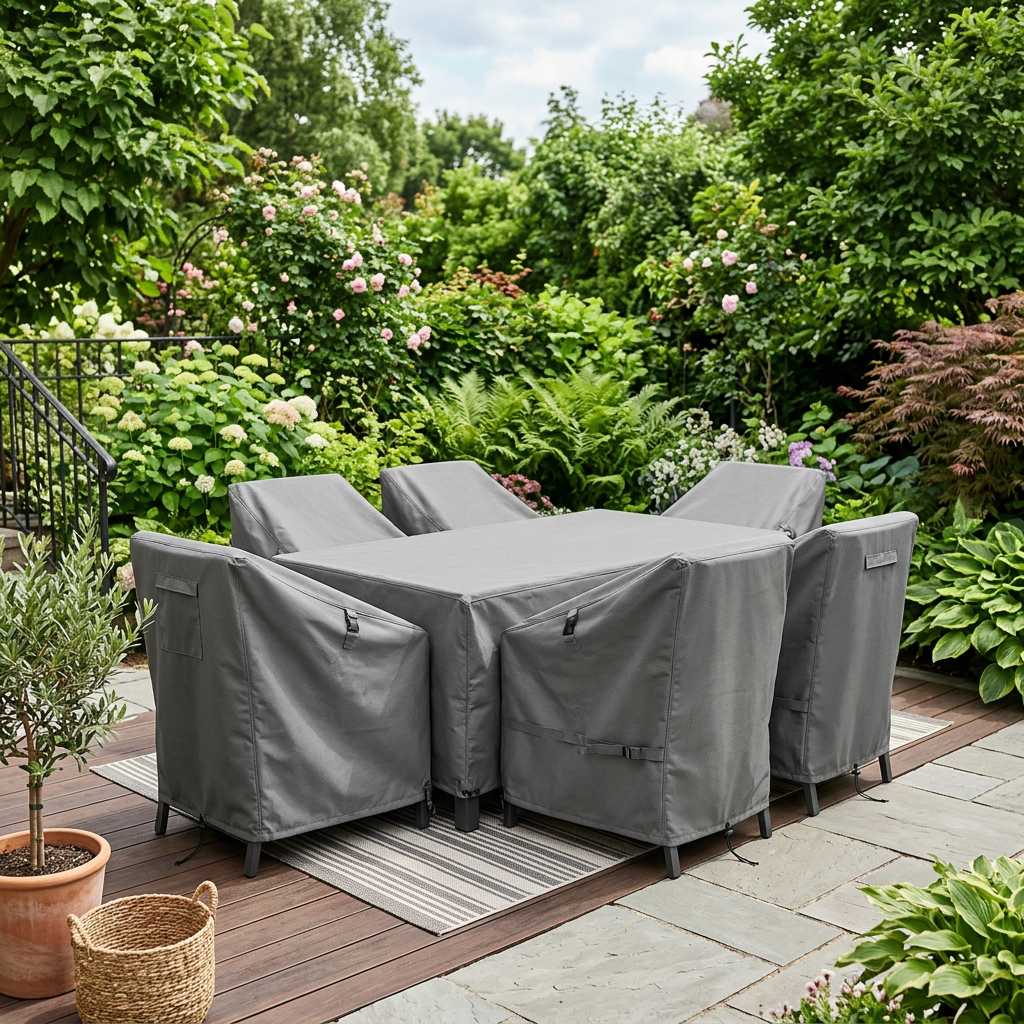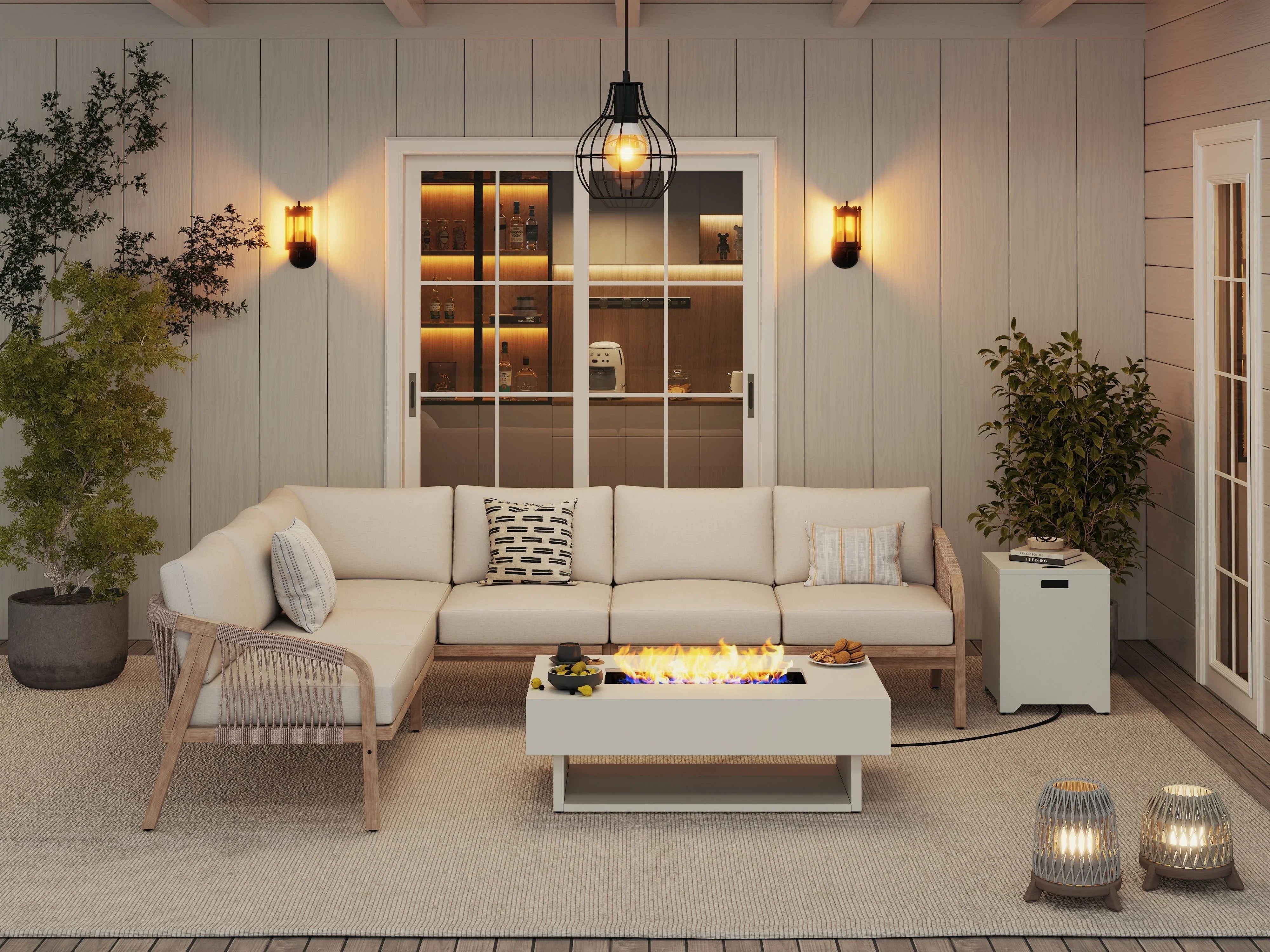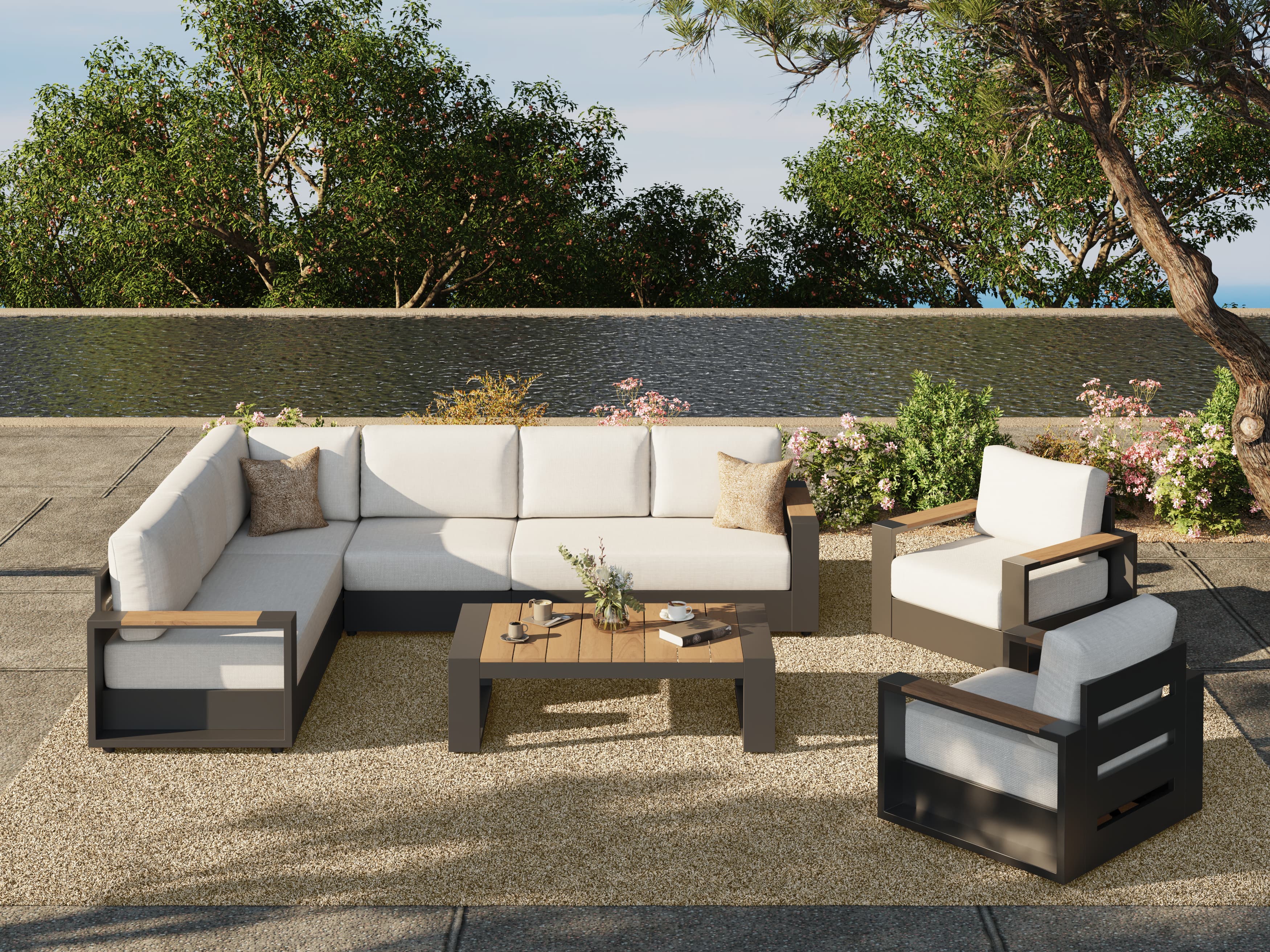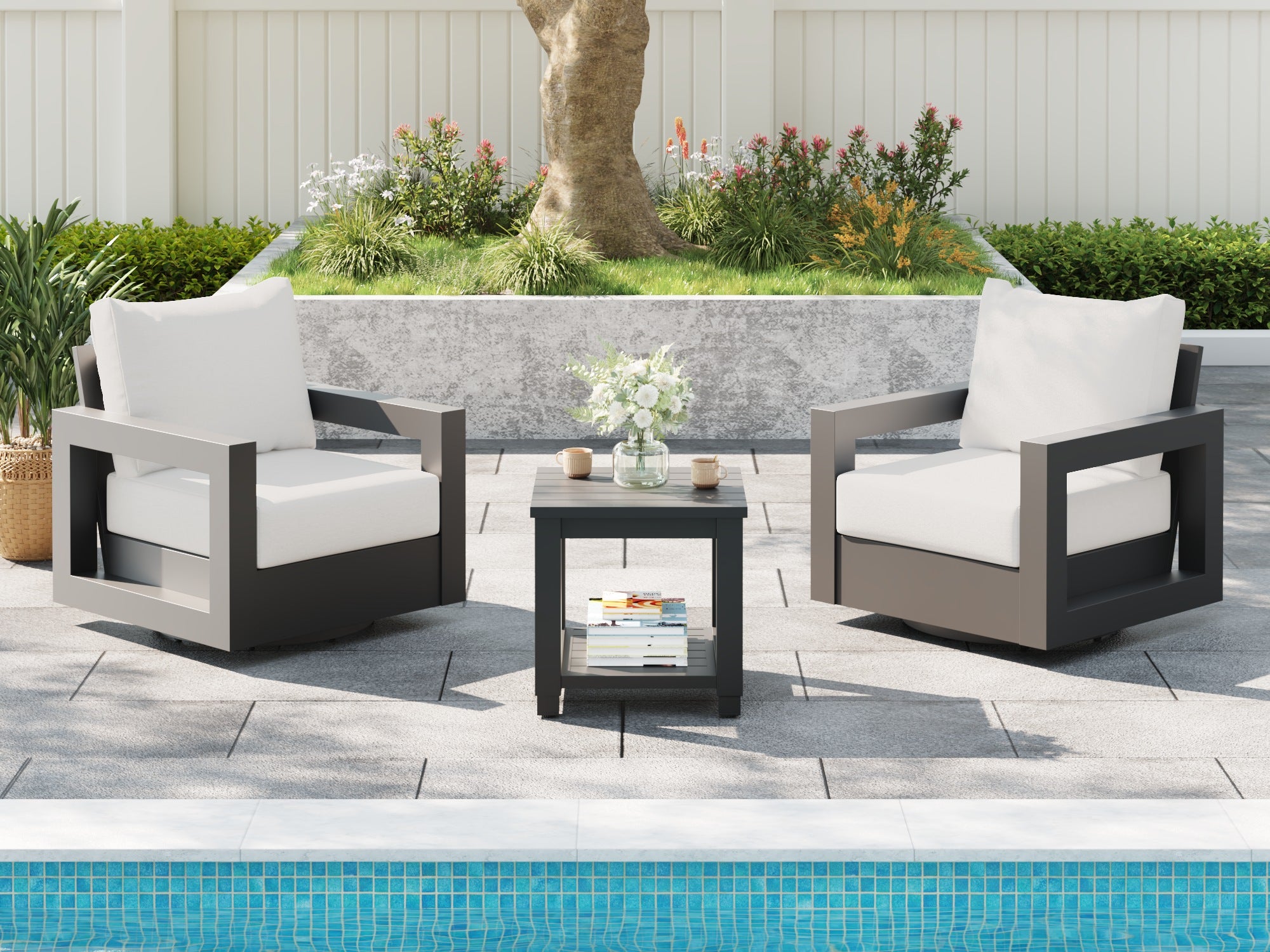

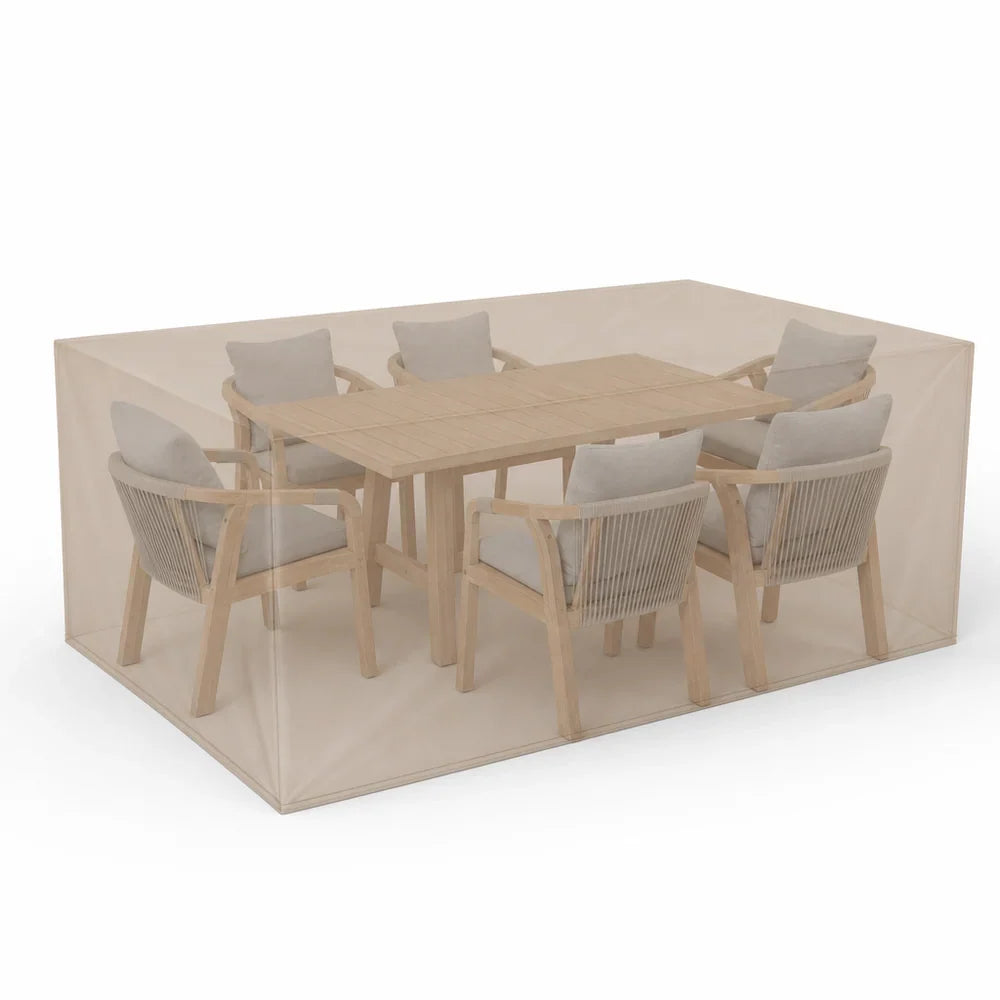
If you have invested in a patio dining set, outdoor sofa, or conversation set, you probably want it to last as long as possible. But does that mean you need to cover it every time you finish using it?
The question of whether to cover patio furniture is more complicated than it might seem. Furniture covers can protect outdoor pieces from rain, UV exposure, dust, pollen, bird droppings, and other environmental factors. However, they also require regular handling, storage, and maintenance. In some situations, leaving furniture uncovered may actually be a better option, especially when proper airflow is important.
So, should you cover patio furniture? The answer depends on your local climate, furniture material, outdoor exposure, and how often you use your patio.

Should I Cover Patio Furniture?
Yes, covering patio furniture is generally a good idea when it will remain unused for extended periods, especially during harsh weather or seasonal changes. However, you don't necessarily need to cover it every day.
Here is a simple guideline:
- Cover your furniture when heavy rain, storms, snow, intense sun, or long periods of non-use are expected.
- Leave it uncovered when the weather is mild, the furniture is designed for outdoor use, and you use it frequently.
- Use breathable, well-fitted covers when storing furniture outdoors for extended periods to help prevent moisture buildup.
- Prioritize regular cleaning and maintenance regardless of whether you use covers.
For many homeowners, the most practical approach is to use furniture covers strategically rather than treating them as a daily necessity.
Pros of Using Patio Furniture Covers
Patio furniture covers offer several benefits, particularly if your outdoor space is exposed to changing weather conditions.

1. Protection from Rain and Moisture
Rain is one of the biggest concerns for outdoor furniture. Although many patio furniture materials are designed to withstand outdoor conditions, repeated exposure to moisture can still affect their appearance and lifespan.
Water can cause problems such as:
- Mold and mildew growth on cushions and fabric.
- Discoloration or deterioration of certain finishes.
- Rust or corrosion on vulnerable metal components.
- Swelling, cracking, or surface damage to untreated wood.
A properly fitted, water-resistant furniture cover helps reduce direct exposure to rain and keeps cushions and other vulnerable components drier.
However, waterproof does not always mean better. If moisture becomes trapped underneath a cover, it can create an environment where mold and mildew develop. Look for covers with ventilation panels and avoid covering furniture that is still wet.

2. Protection from UV Rays and Sun Damage
Sun exposure can gradually affect outdoor furniture, even when it is specifically designed for exterior use.
Prolonged UV exposure may cause:
- Fabric fading and discoloration.
- Cushion materials to deteriorate.
- Plastic and synthetic components to become brittle.
- Wood finishes to fade or dry out.
A UV-resistant patio furniture cover can reduce direct sunlight exposure when furniture is not in use.
This is particularly useful in regions with intense sunshine, where outdoor furniture may receive several hours of direct sunlight every day.

3. Less Dust, Pollen, and Everyday Cleaning
Not every outdoor furniture problem comes from extreme weather.
Dust, pollen, falling leaves, bird droppings, and tree sap can quickly make patio furniture look dirty. If your furniture sits under trees or near a garden, you may find yourself cleaning it more often than expected.
A furniture cover creates a protective barrier against much of this everyday debris.
This is especially helpful for:
- Outdoor dining tables that need to stay clean before meals.
- Light-colored cushions that show dirt easily.
- Patio sofas that are not used every day.
- Furniture stored outside during the off-season.
If you want to spend more time enjoying your outdoor space and less time cleaning it, a cover can be a worthwhile investment.

4. Longer-Lasting Cushions and Upholstery
Cushions are often more vulnerable to outdoor conditions than the furniture frames themselves.
Even weather-resistant outdoor fabrics can gradually lose their appearance after repeated exposure to sunlight, rain, and dirt. Foam inserts may also retain moisture if cushions are left outside during wet weather.
Covering your outdoor sofa or conversation set when it is not in use can help preserve cushion color, cleanliness, and overall condition.
For additional protection, consider storing removable cushions indoors during prolonged periods of rain or when your patio is not being used.
Cons of Using Patio Furniture Covers
Although covers provide useful protection, they are not a perfect solution. There are a few disadvantages worth considering before buying one.
1. They Require Extra Time and Effort
This is probably the biggest reason homeowners avoid furniture covers.
After every outdoor gathering, you may need to:
- Wait for furniture to dry.
- Put cushions away or arrange them properly.
- Pull the cover over the furniture.
- Secure straps or fasteners.
- Remove the cover again before your next use.
If you use your patio dining set or outdoor sofa every day, this routine can quickly become inconvenient.
For frequently used outdoor spaces, covering furniture every evening may not be necessary, particularly when the furniture is designed to withstand outdoor exposure.
2. Trapped Moisture Can Cause Mold and Mildew
One common misconception is that covering furniture always keeps it dry.
In reality, a poorly ventilated or improperly fitted cover can trap moisture underneath. Condensation, damp cushions, and humid air may create favorable conditions for mold and mildew.
This is especially concerning in humid climates or during rainy seasons.
To avoid this problem:
- Never cover wet furniture or cushions.
- Choose breathable covers with ventilation openings.
- Make sure the cover does not sit directly on cushions.
- Remove covers periodically to allow furniture to air out.
- Check underneath after prolonged rain or humid weather.
A cover should protect your furniture, not create a damp environment around it.
3. Covers Can Be Bulky and Require Storage
Furniture covers take up space when they are not being used.
Large covers for sectional sofas, dining sets, and oversized conversation sets can be particularly bulky. If you have limited outdoor storage space, finding somewhere to keep them can become another inconvenience.
You also need to choose the correct size. An oversized cover may collect water or catch the wind, while one that is too small may not provide sufficient protection.
4. Covers Are an Additional Expense
A quality patio furniture cover is not always inexpensive, especially when you need separate covers for a dining table, multiple chairs, and a sectional sofa.
Before buying one, consider the value of the furniture you are protecting.
For example, covering a high-quality solid wood dining set or a large outdoor sectional may be worthwhile. However, purchasing individual covers for every weather-resistant chair may not offer the same value.
Sometimes, investing in durable outdoor furniture and following a simple maintenance routine is a more practical long-term decision.
Should You Cover Patio Furniture in Different Climates?
Your local climate is one of the most important factors when deciding whether patio furniture covers are necessary. The right approach can vary significantly depending on where you live.
1. Rainy and Humid Areas: Protection Against Moisture Matters Most
If you live in a region with frequent rainfall, high humidity, or long rainy seasons, protecting your outdoor furniture becomes more important.
Repeated moisture exposure can affect wood finishes, metal hardware, cushions, and upholstery. However, completely sealing furniture under a waterproof cover for extended periods can also trap humidity.
Our recommendation:
- Choose water-resistant covers with built-in ventilation.
- Allow furniture and cushions to dry before covering them.
- Store removable cushions indoors during extended rainy periods.
- Check furniture regularly for signs of mold or mildew.
- Consider furniture placement under a covered patio or pergola.
For rainy climates, a breathable cover is generally a better choice than simply choosing the most waterproof option available.
2. Desert and Extremely Sunny Areas: UV Protection Is a Priority
In desert climates and regions with intense sunlight, UV exposure and high temperatures can be more concerning than rain.
Constant sunshine can gradually fade cushions, dry out wood finishes, and affect certain synthetic materials.
If your patio furniture sits in direct sunlight throughout the day, a UV-resistant cover can help protect its appearance when it is not being used.
Our recommendation:
- Look for UV-resistant, fade-resistant furniture covers.
- Use a patio umbrella or pergola to provide daytime shade.
- Choose outdoor fabrics designed to resist fading.
- Follow the recommended maintenance routine for wood furniture.
- Cover furniture during extended periods of non-use.
If your furniture is already positioned under a shaded patio, you may not need to cover it as frequently.
3. Coastal Areas: Salt Air and Moisture Require Extra Attention
Living near the ocean creates a different set of challenges.
Salt in the air can gradually accumulate on furniture surfaces and contribute to corrosion on susceptible metal components. Combined with humidity, wind, and sand, coastal conditions can be particularly demanding.
A furniture cover can help reduce direct exposure to salt spray, sand, and airborne debris. However, it cannot completely eliminate the effects of salty air.
Our recommendation:
- Choose corrosion-resistant materials, such as powder-coated aluminum.
- Rinse furniture periodically with fresh water to remove salt deposits.
- Use well-ventilated covers during extended periods of non-use.
- Secure covers properly against strong coastal winds.
- Inspect metal hardware and joints regularly.
For coastal homes, choosing the right furniture material is just as important as buying a protective cover.
Does Your Patio Furniture Material Need a Cover?
Not all outdoor furniture requires the same level of protection. The material of your furniture can make a significant difference in how often you need to use a cover.
1. Aluminum Patio Furniture

Aluminum is a popular choice for outdoor furniture because it is lightweight and naturally resistant to rust. Powder-coated aluminum frames offer an additional protective finish that helps resist everyday outdoor exposure.
Do you need to cover aluminum patio furniture?
Not necessarily. If your furniture has a durable powder-coated finish and is used in a relatively mild climate, leaving the frame uncovered is generally fine. Covers are still useful for protecting cushions, reducing dirt buildup, and minimizing exposure to harsh weather.
Explore our aluminum outdoor furniture for durable, low-maintenance options.
2. Acacia and Eucalyptus
 Natural wood furniture brings warmth and character to an outdoor space, but it generally requires more maintenance than aluminum.
Acacia and eucalyptus are hardwoods commonly used in outdoor furniture. However, exposure to sunlight, rain, and temperature changes can gradually affect their color and finish.
Do you need to cover wood patio furniture?
If you want to preserve its original appearance, using a breathable cover during prolonged periods of harsh weather or non-use is a good idea.
You should also follow the manufacturer's recommendations for cleaning, protective finishes, and seasonal maintenance.
Discover our acacia wood outdoor furniture and eucalyptus wood outdoor furniture collections.
3. Teak Outdoor Furniture

Teak is known for its natural durability and resistance to outdoor conditions. Its natural oils help protect the wood, making it a popular material for outdoor dining and lounge furniture.
Does teak furniture need to be covered?
In most situations, teak furniture can remain outdoors without a cover. Over time, untreated teak naturally develops a silver-gray patina, which many homeowners appreciate.
However, if you prefer to maintain its original golden-brown color or keep the surface free from dirt and debris, a breathable cover can be helpful.
Learn more about our teak outdoor furniture.
4. Wicker and Rope Outdoor Furniture

Synthetic wicker and outdoor rope are designed for exterior use, but their long-term appearance still depends on material quality, construction, and environmental exposure.
Covers can help reduce UV exposure, dust, and debris, particularly for furniture with cushions.
However, proper ventilation is important. Avoid leaving tightly fitted covers over damp wicker or rope furniture for extended periods.
5. Outdoor Cushions and Upholstery
Regardless of the frame material, cushions usually deserve the most attention.
Even outdoor-rated fabrics can fade, collect dirt, or develop mildew if they remain wet for extended periods.
If your patio furniture has removable cushions, bringing them indoors or storing them in a dry, ventilated storage box during prolonged bad weather is often more effective than relying on a furniture cover alone.
When Can You Leave Patio Furniture Uncovered?
You do not need to cover your outdoor furniture every time you finish using it. In fact, there are several situations where leaving it uncovered is perfectly reasonable.
Consider skipping the cover when:
- Your furniture is made from weather-resistant materials.
- Your patio is protected by a roof, pergola, or covered structure.
- The weather is mild and relatively dry.
- You use your outdoor furniture frequently.
- Cushions are stored separately when not in use.
- You are comfortable with occasional cleaning and routine maintenance.
For example, a powder-coated aluminum dining set under a covered patio may not need a furniture cover for everyday use.
Similarly, a teak dining table designed for outdoor conditions can generally remain uncovered if you are comfortable with its natural aging process.
The goal is not to eliminate every trace of weather exposure. It is to protect your furniture from conditions that could cause unnecessary damage.
How to Choose the Right Patio Furniture Cover?
If you decide that a cover is worth buying, choosing the right one matters just as much as deciding to use one.
Here are five things to consider.
1. Choose the Correct Size
Measure your furniture before purchasing a cover. It should provide enough room to fit comfortably without being excessively loose.
2. Look for Water Resistance and Ventilation
A good outdoor furniture cover should help repel rain while allowing trapped moisture to escape. Ventilation panels are particularly useful in humid climates.
3. Consider UV Resistance
If your patio receives intense sunlight, look for materials designed to resist UV degradation.
4. Check the Fastening System
Adjustable straps, buckles, and drawstrings help keep covers in place during windy conditions.
5. Avoid Covering Wet Furniture
Always allow furniture and cushions to dry before putting covers on. This simple habit can help prevent mold and mildew.
Get A Complete Buying Guide: How to Choose the Right Size Patio Furniture Cover?
Are Patio Furniture Covers Worth It?
For many homeowners, patio furniture covers are worth buying, but they are not essential for every outdoor space.
The decision depends on three main factors:
- Your climate: Frequent rain, intense sun, snow, and coastal conditions increase the need for protection.
- Your furniture material: Natural wood, cushions, and certain finishes may benefit more from additional protection than weather-resistant aluminum frames.
- Your usage habits: If you use your patio daily, covering everything after every use may create more work than value.
If your furniture is exposed to harsh weather for months at a time, a good cover can help preserve its appearance and reduce cleaning and maintenance.
But if you have durable outdoor furniture in a sheltered space, you may only need to cover it during seasonal storage or extended periods of bad weather.
Ultimately, the best strategy is to combine weather-resistant furniture, sensible placement, regular maintenance, and protective covers when they are genuinely needed.

You don't have to turn covering your patio furniture into another daily chore.
The right approach is to understand what your furniture needs, consider the weather in your area, and protect the components most vulnerable to damage. Sometimes that means investing in a breathable furniture cover. Other times, it simply means storing cushions during rainy weather or choosing durable materials that can handle outdoor conditions.
With the right combination of material selection and maintenance, you can spend less time worrying about your patio furniture and more time enjoying your outdoor space.