
Wondering how a bistro table differs from a regular patio table? Learn the key differences in size, function, and pairing options for small outdoor spaces.
When shopping for outdoor furniture, you’ll quickly notice that patio tables come in all shapes, heights, and styles. Among the most popular options for compact spaces is the bistro table. But how exactly does a bistro table differ from a regular outdoor dining table or a casual side table?
If you are looking to optimize a small balcony, cozy deck, or poolside corner, here is everything you need to know about bistro tables, their functions, and how to style them.
What Makes a Bistro Table Different From a Regular Table?
The most significant difference between a bistro table and a regular outdoor table comes down to size, capacity, and intimacy.
1. Compact Size & Shape
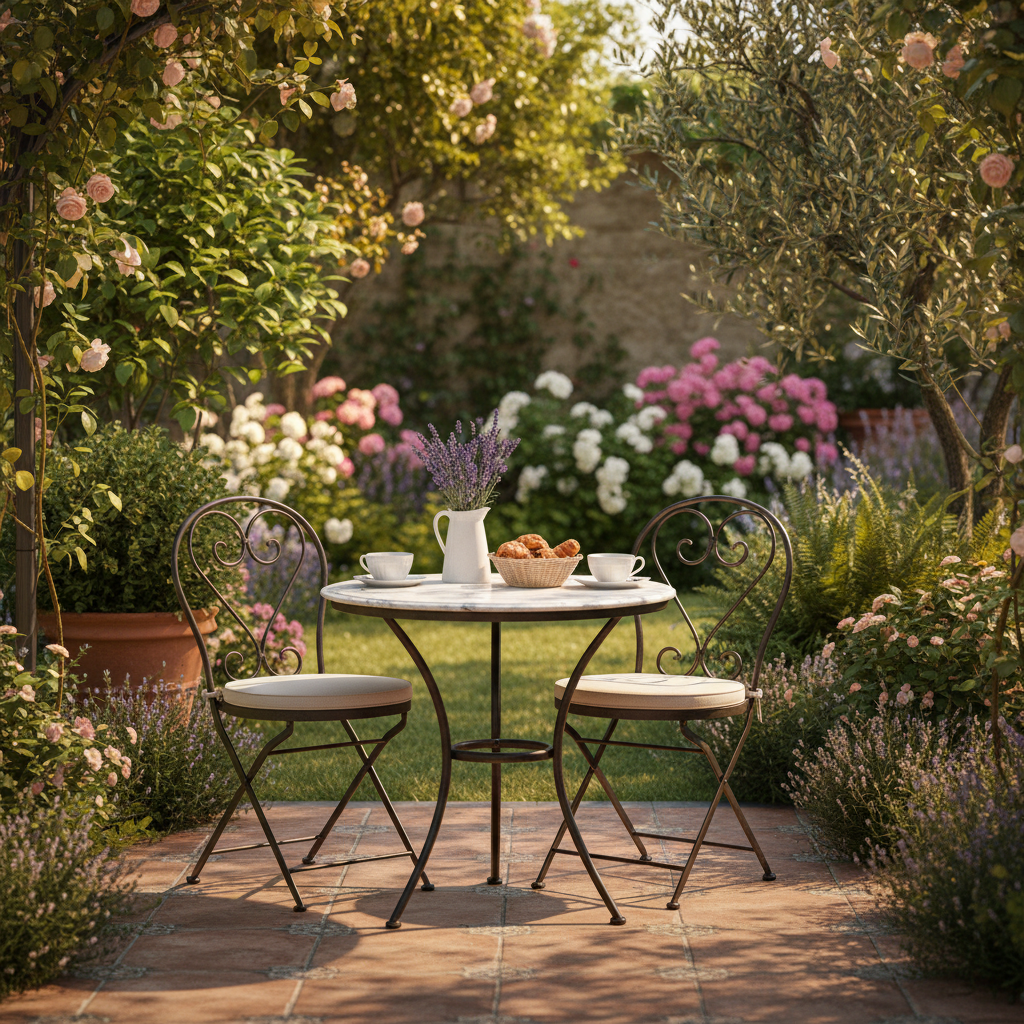
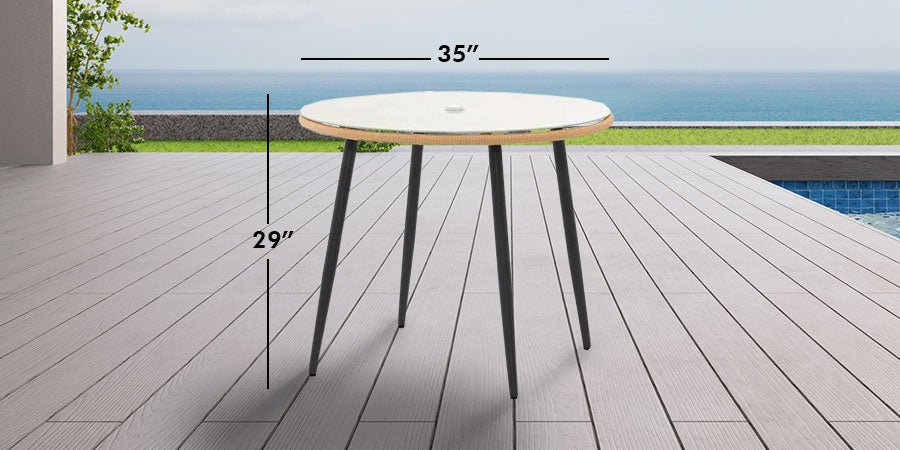
Bistro tables are intentionally small and lightweight. Typically ranging between 24 to 36 inches in diameter, they are designed to comfortably seat just 2 people (or occasionally up to 4 in a cozy arrangement). Because of their compact footprint, bistro tables are most commonly round, which softens high-traffic pathways and makes small balconies feel more spacious.
In contrast, regular outdoor dining tables are much wider and come in various shapes—including rectangle, square, and oval—designed to seat 4, 6, or 8+ people for family-style dining.
2. Encouraging Closeness and Intimacy
Originating from Parisian street cafés, bistro furniture is built to foster conversation. The proximity of a small round table brings people closer together, making it ideal for morning coffee, intimate evening drinks, or casual one-on-one chats.
3. Height Considerations: Bistro Table vs. Side Table
A common point of confusion is mixing up a bistro table with an outdoor side table:
-
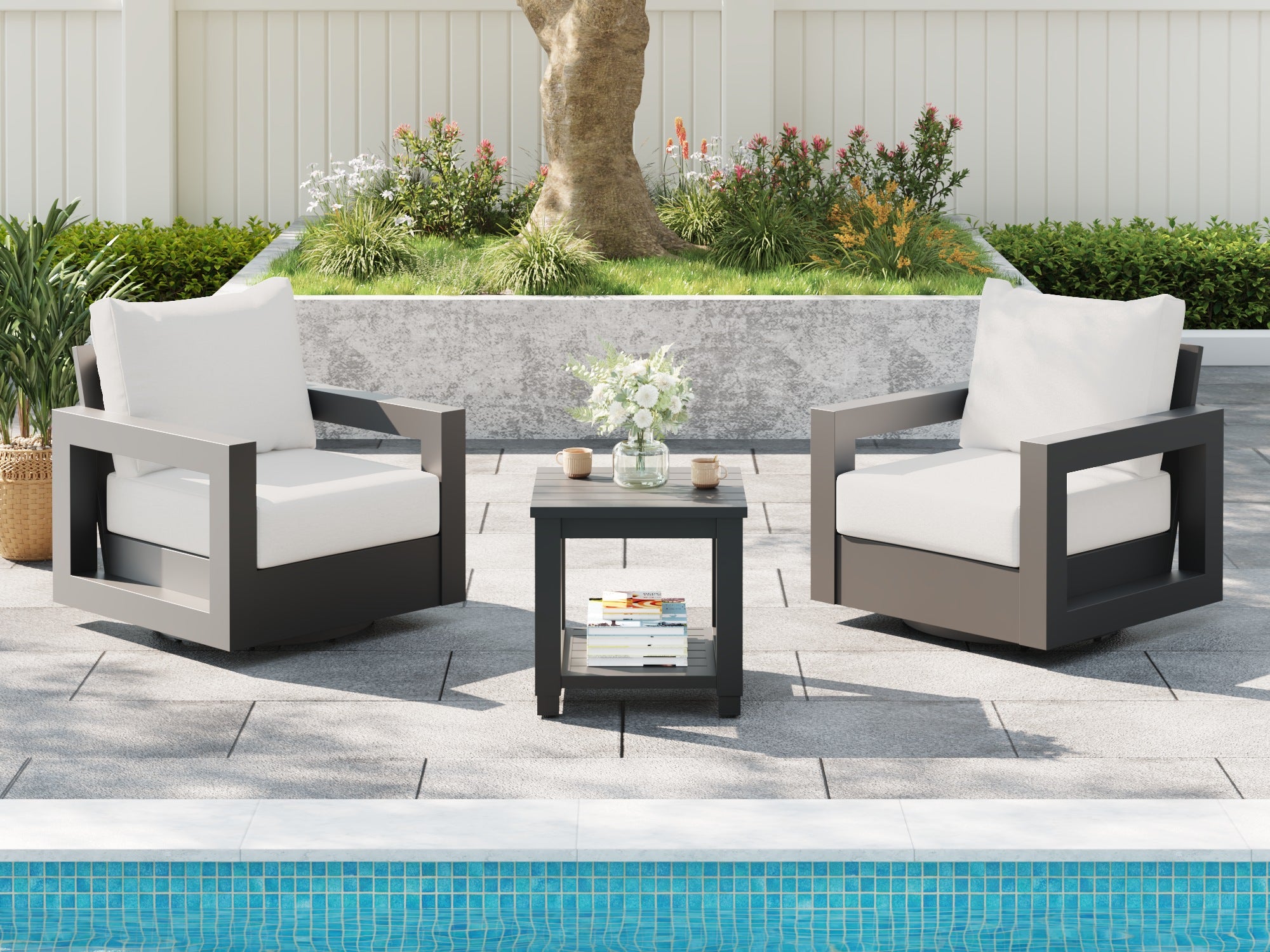
Side Tables (16"–20" High): These are low, compact tables designed to sit next to deep-seating lounge chairs, swivel chairs, or outdoor sofas just to hold a glass or a book.
-
Bistro Tables (28"–30" Dining / 36"–42" Bar Height): These are taller tables meant for upright eating or drinking, paired with matching bistro dining chairs or counter stools.
Bistro Tables: Functions, Uses, and Placement
Bistro furniture serves both functional and aesthetic purposes in residential and commercial environments alike.
Practical Dining & Decorative Uses
Whether used for everyday function or decorative styling, bistro tables are remarkably versatile:
-
For Dining: A bistro table accommodates lightweight meals, utensils, wine glasses, and coffee cups. Because table space is intimate, it’s best to avoid overcrowding—choose minimalist dinnerware and compact glassware that fit comfortably.
-
For Decoration: When not in use for dining, homeowners often style bistro tables with a small vase of flowers, a lantern, or potted succulents to create a charming outdoor focal point.
Where to Use Them at Home

Homeowners typically purchase 3-piece bistro sets (one bistro table + two matching chairs) to furnish areas where full-sized dining sets won't fit:
-
Balconies & Small Apartments: Maximize vertical outdoor space without blocking walkways.
-
Garden Nooks & Poolside Corners: Create a peaceful retreat for morning reading or evening relaxation.
-
Front Porches & Sunrooms: Add welcoming curb appeal and an extra spot for tea.
Commercial Appeal for Businesses
Bistro sets are also a staple for commercial venues like cafes, ice cream shops, seaside pubs, and outdoor bistros. Their compact size allows businesses to maximize seating density in limited spaces while encouraging a lively, conversational atmosphere. Many wooden or aluminum bistro tables are foldable, making them easy to collapse, store, or expand when hosting special events or navigating bad weather.