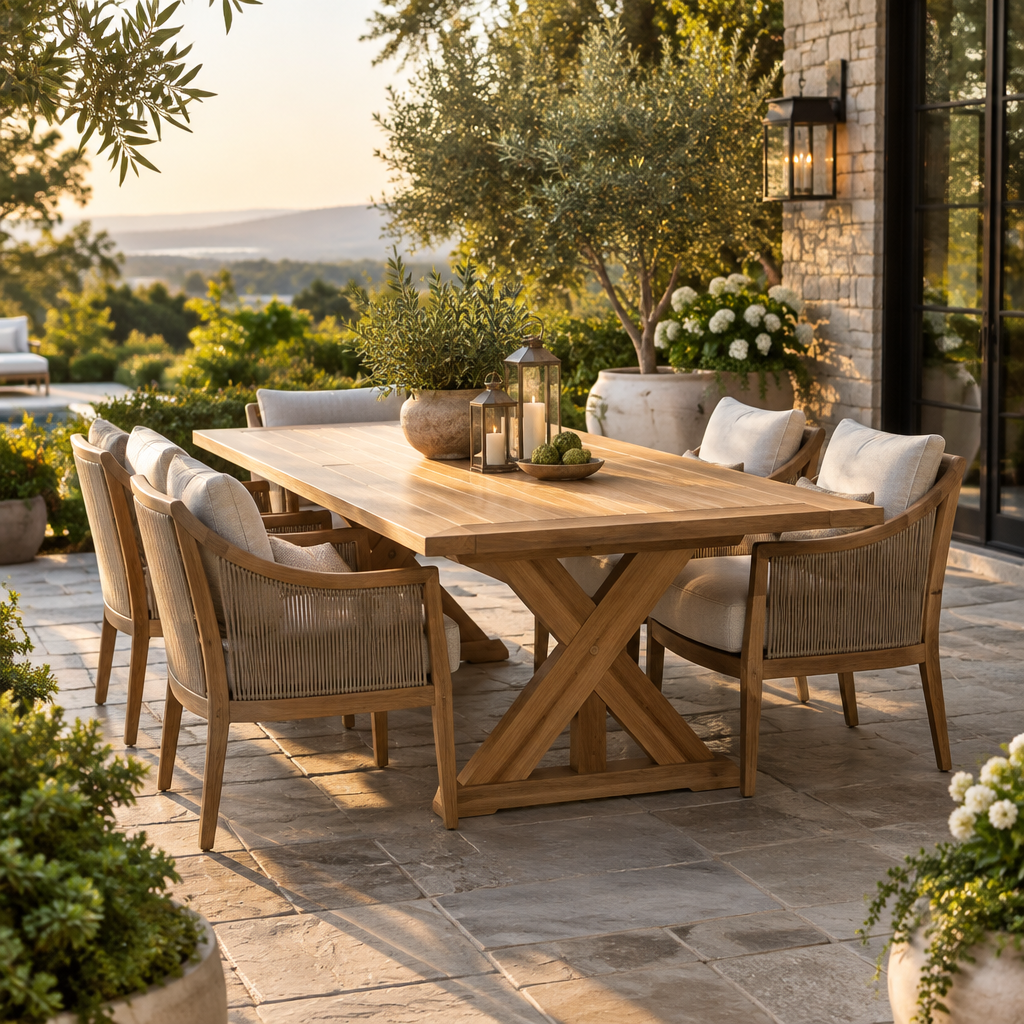


Beyond color and cushions, the weaving technique used to create wicker furniture plays a big role in its overall style and texture. Each technique has a unique look, making it easy to find a piece that fits your decor. Here are some of the most common and beloved weaving methods:
1. Bullseye Weaving (or “Sunburst” Weaving)
This technique is named for its circular, bullseye-like pattern. It starts with a central point (often a wooden dowel or rattan core) and weaves strands of wicker outward in a spiral or radiating pattern. The result is a bold, eye-catching design that adds a focal point to any piece—think chair backs, table tops, or even decorative baskets. Bullseye weaving is often used in bohemian or coastal-style furniture, as it adds a playful, artisanal touch.
2. Square Weaving (or “Checkerboard” Weaving)
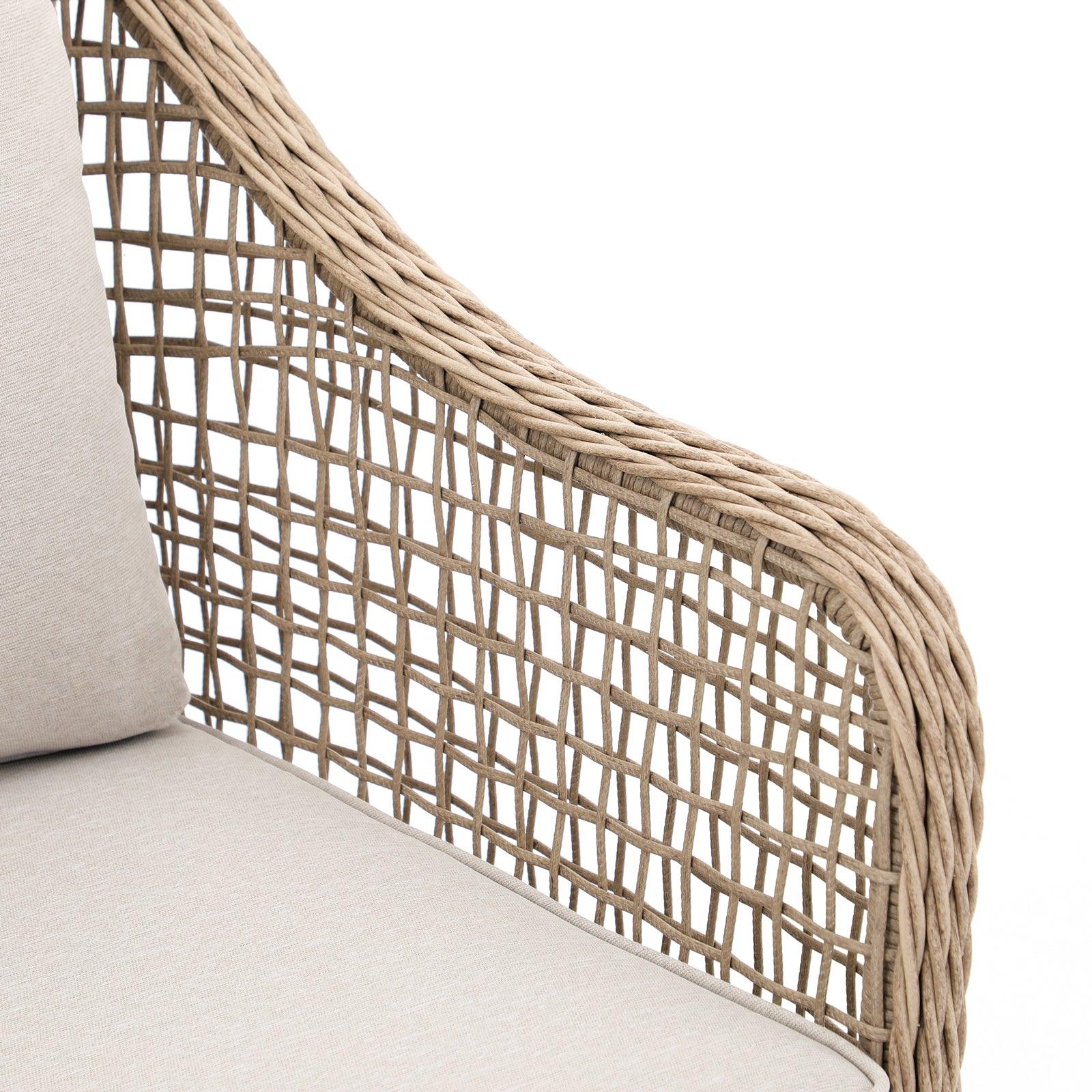
Square weaving is one of the simplest and most classic wicker techniques. It involves weaving horizontal and vertical strands of wicker in a crisscross pattern, creating a grid or checkerboard look. This technique is strong and durable, making it ideal for furniture frames, chair seats, or storage baskets. Square weaving has a clean, minimalist appearance, so it works well in modern, Scandinavian, or traditional spaces.
3. Four-in-One Weaving (or “Quad Weaving”)

As the name suggests, four-in-one weaving uses four strands of wicker to create a tight, intricate pattern. The strands are woven over and under each other in a repeating sequence, resulting in a dense, textured surface that’s both strong and visually interesting. This technique is often used for chair arms, sofa frames, or outdoor furniture (since it’s resistant to wear and tear). Four-in-one weaving adds a touch of sophistication, making it perfect for traditional or formal spaces.
4. Herringbone Weaving
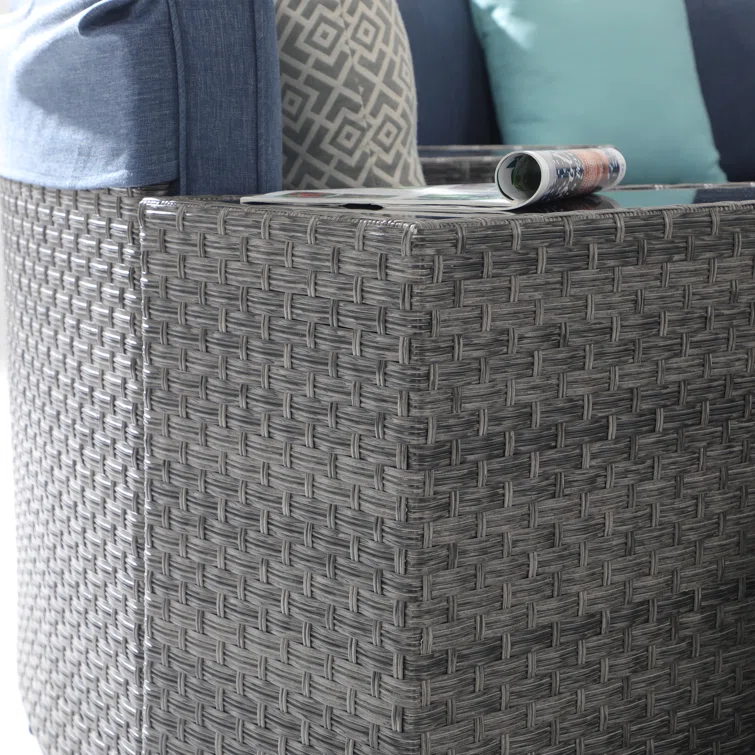
Herringbone weaving is known for its zigzag pattern, which resembles the skeleton of a herring fish. It involves weaving strands of wicker at a 45-degree angle, alternating directions to create the signature zigzag look. This technique adds movement and texture to furniture, making it a popular choice for chair backs, ottomans, or accent pieces. Herringbone weaving works well in both modern and traditional spaces, adding a subtle yet stylish detail.
5. Rattan Peel Weaving

Rattan peel weaving uses thin, flexible strips of rattan peel (the outer layer of rattan) to create a delicate, lacy pattern. The strips are woven in a loose, open pattern, allowing light to pass through and creating a airy, lightweight look. This technique is often used for indoor furniture like chairs, lampshades, or room dividers, as it adds a soft, romantic touch. Rattan peel weaving is perfect for cottage, coastal, or bohemian-style spaces.
Wicker furniture is a versatile and timeless choice that can adapt to any decor style—whether you prefer classic neutrals, bold colors, or intricate weaving patterns. Whether you’re furnishing an outdoor patio or an indoor living room, wicker furniture is sure to add warmth, texture, and charm to your home.