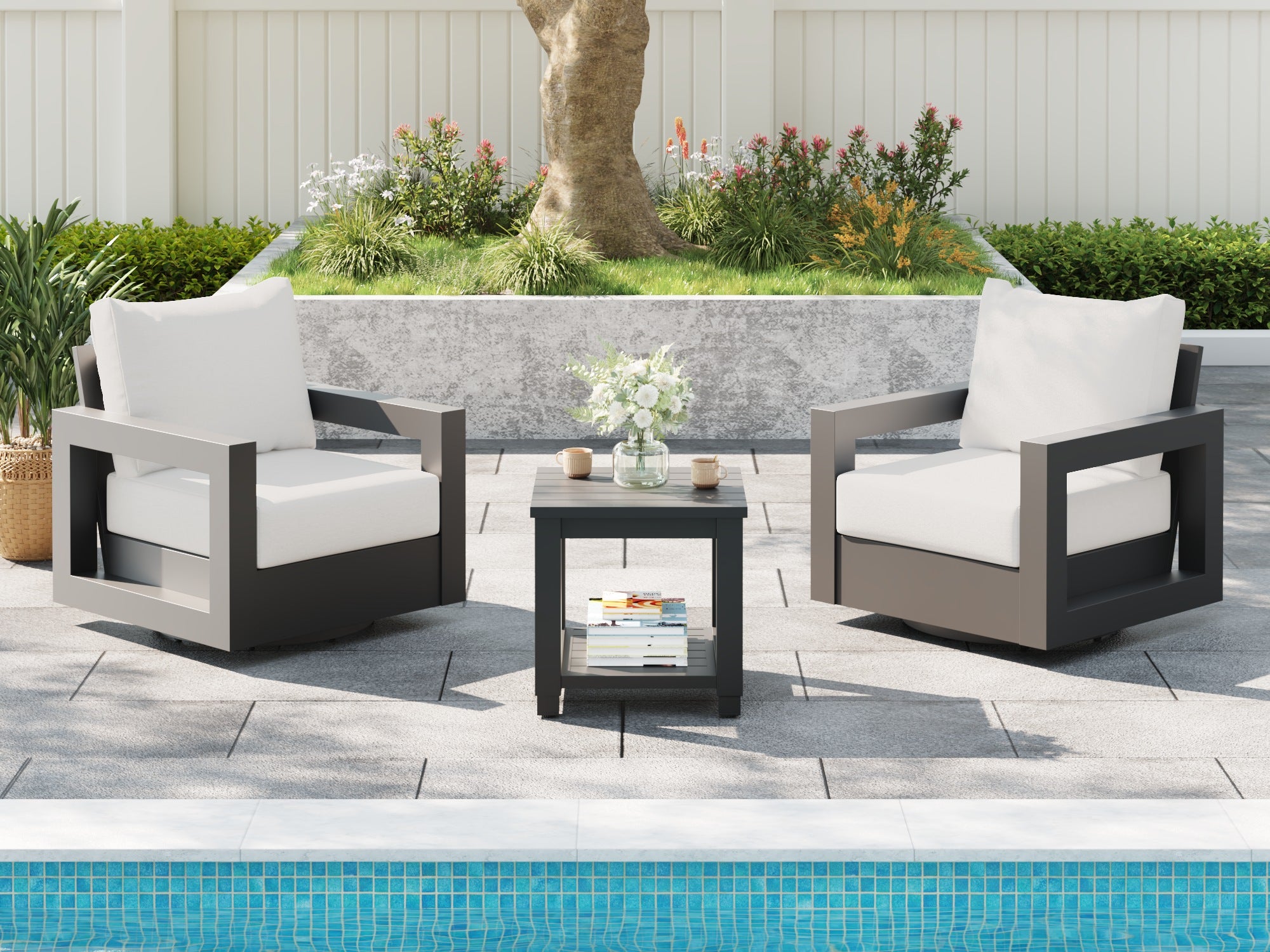

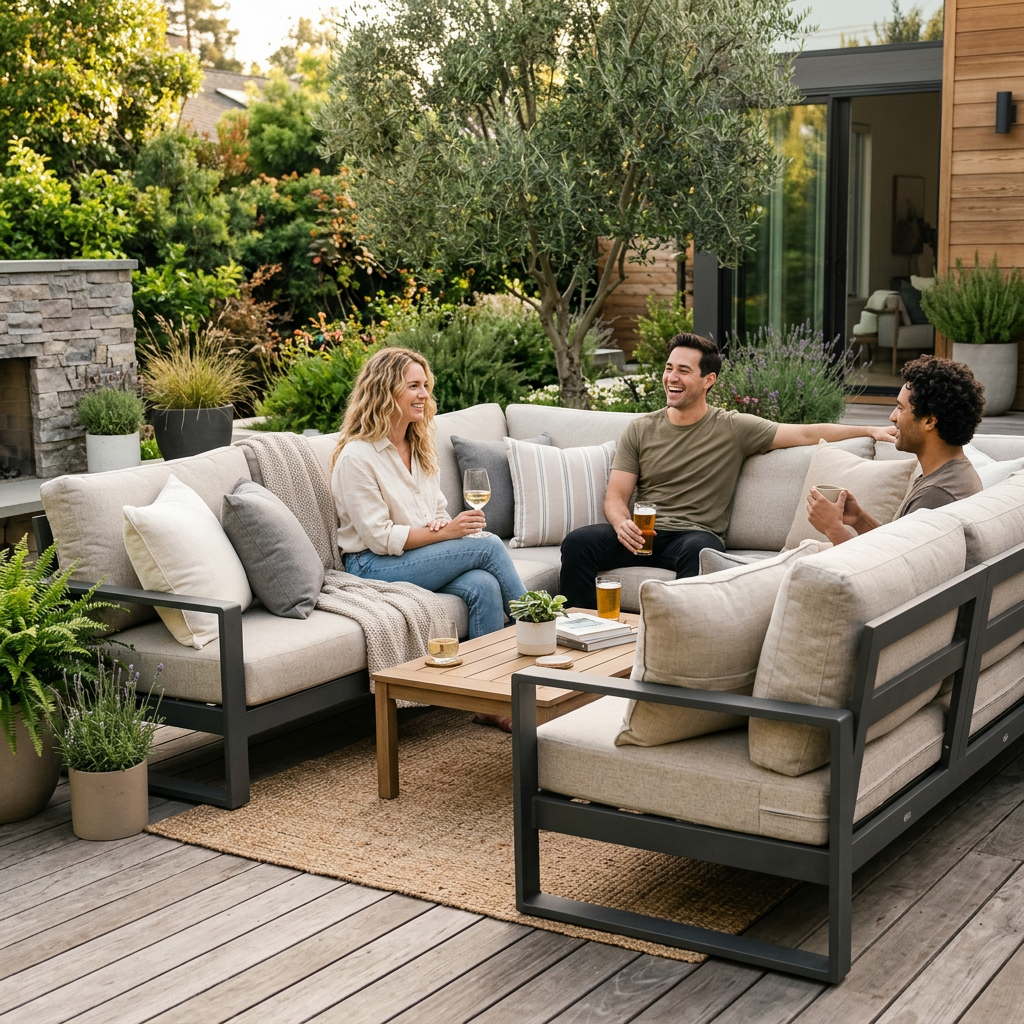
You've probably seen the phrase "deep seating" on almost every outdoor sofa for sale. But ask three different brands what it actually means and you'll get three different answers. That's not a marketing gimmick — the industry genuinely has no single universal definition, and the way a sofa measures its "seat depth" varies from maker to maker.
Here's what deep seating actually is, how to measure it properly, and — most importantly — what size will actually fit your body, not just the spec sheet.

What "Deep Seating" Actually Means?
At its simplest, deep seating describes outdoor furniture built for a more relaxed, lounging posture, with a greater usable seat depth than conventional upright seating.
The problem? There is no one universal measurement that defines every deep-seating patio sofa.
Different brands measure seat depth differently. Some measure the distance from the front edge of the seat to the backrest frame. Others describe the usable seating space after the back cushions are installed.
Those two numbers can be very different. A sofa with a large frame depth may not give you an equally large usable seating area once thick back cushions are added.
So when you're comparing sofas, always ask for the usable seat depth with cushions installed — not just the raw frame dimension.

Why Deeper Doesn't Always Mean More Comfortable?
Here's the counterintuitive part: a deeper sofa isn't automatically a better one.
The key relationship is the distance between the back of your knee and your seated pelvis position. If the seat extends too far forward, you'll struggle to keep both your back supported and your legs comfortable.
This plays out differently by body type:
- Taller people often appreciate a deeper seat, because it provides more support underneath the thighs.
- Shorter people can find the same sofa too deep — especially when trying to sit upright with their back supported and their feet resting flat on the ground.
Since no single seat depth can perfectly fit every body type, the best outdoor sofa for you is the one where you can sit with your back against the backrest and your feet comfortably planted — without your knees sticking too far past the seat edge.
How to Measure and Choose Your Seat Size?

Forget the catalog. Here's how to evaluate a deep-seating sofa for yourself:
1. Measure the usable seat depth. Sit down with the back cushions in place, back against the backrest, and check the distance from the front of the seat to your knee. For most adults, a comfortable usable seat depth lands roughly in the 21–24 inch range, but your body type decides the right number.
2. Check the finished seat height. Thick cushions raise the seat height. Make sure your feet can rest flat on the ground with your knees at roughly a 90-degree angle — if your legs dangle or you're perched, the seat height is off for you.
3. Pay attention to the backrest angle. A more reclined backrest encourages you to lounge back, which is great for relaxation but can make sitting upright, reaching for a coffee table, or having a conversation more awkward. A more upright backrest is more versatile, but combined with a very deep seat it can leave you feeling restricted.
4. Feel the cushion support. Two sofas with identical frame dimensions can feel completely different depending on the cushion. Foam density and firmness affect support; cushion thickness changes the finished seat height; and the recovery (how well the cushion returns to shape) matters for long-term comfort.
What Size Is Actually "Right"?

Because comfort is about the relationship between your body and the sofa, the "right" size depends on you:
- Sit with your back supported and feet flat — if your knees stick far past the seat front, the seat is too deep for you.
- You should be able to stand up easily without fighting the cushion.
- Both upright and reclining postures should feel natural — not just one.
The most reliable test is simply trying it with different heights of people sitting in it.
Numbers on a spec sheet can't tell you whether the sofa fits your legs.
Choosing a Sofa for Your Space and Your Body

The takeaway is to evaluate the complete seating configuration — usable seat depth with cushions installed, backrest position, finished seat height, and cushion support — rather than a single number.
A sofa that looks great on paper can feel wrong once you're actually sitting in it.
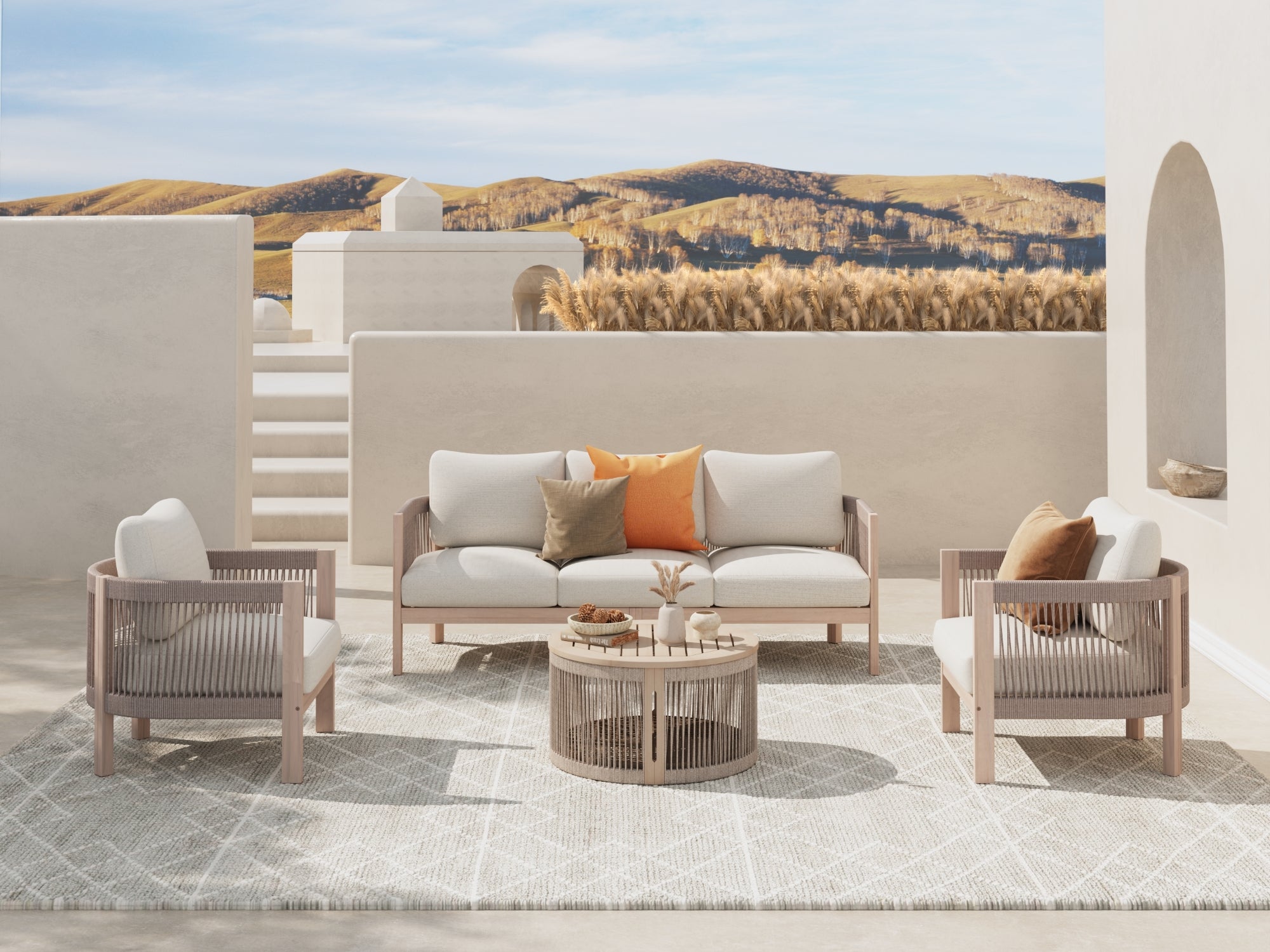
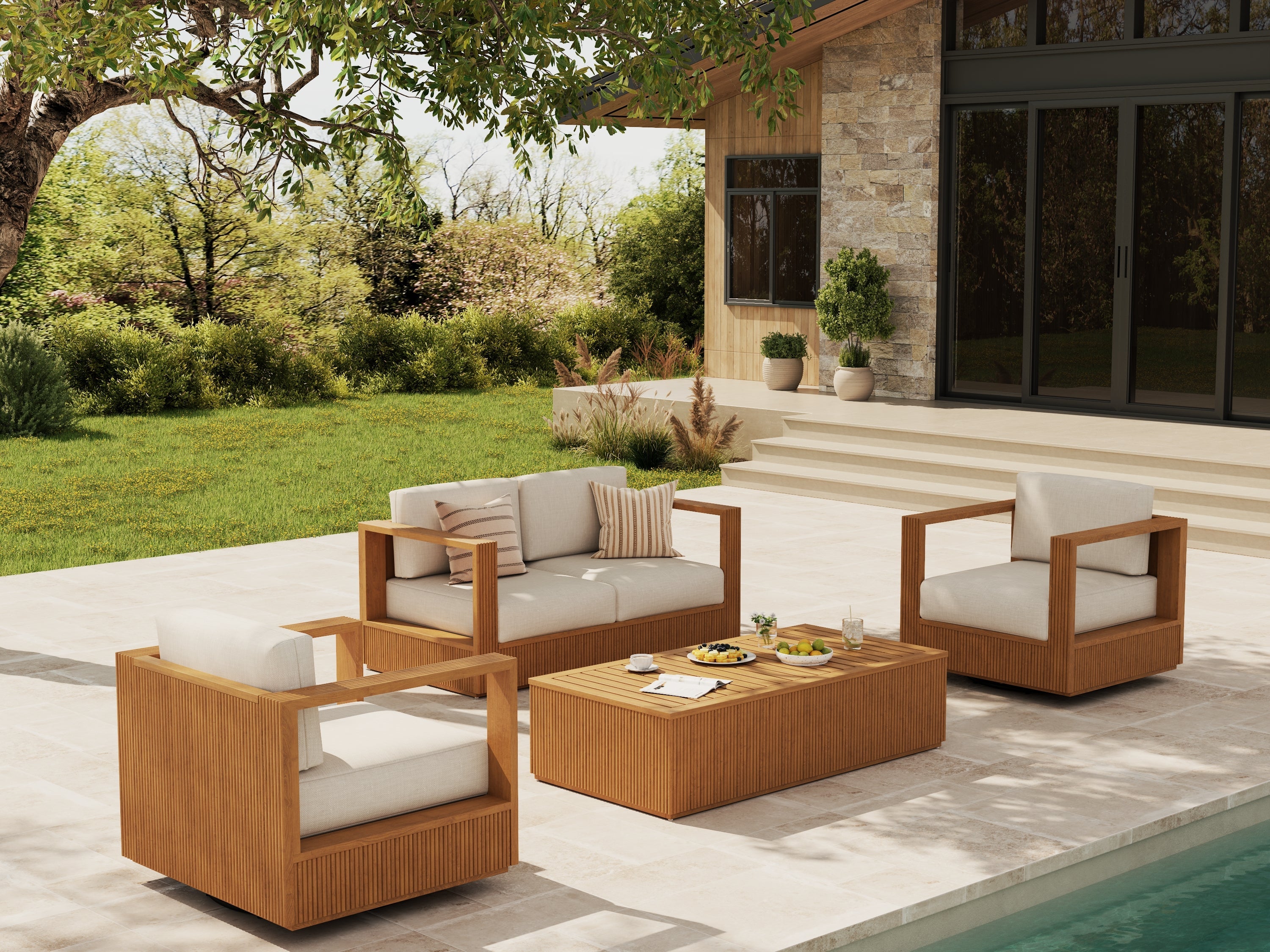
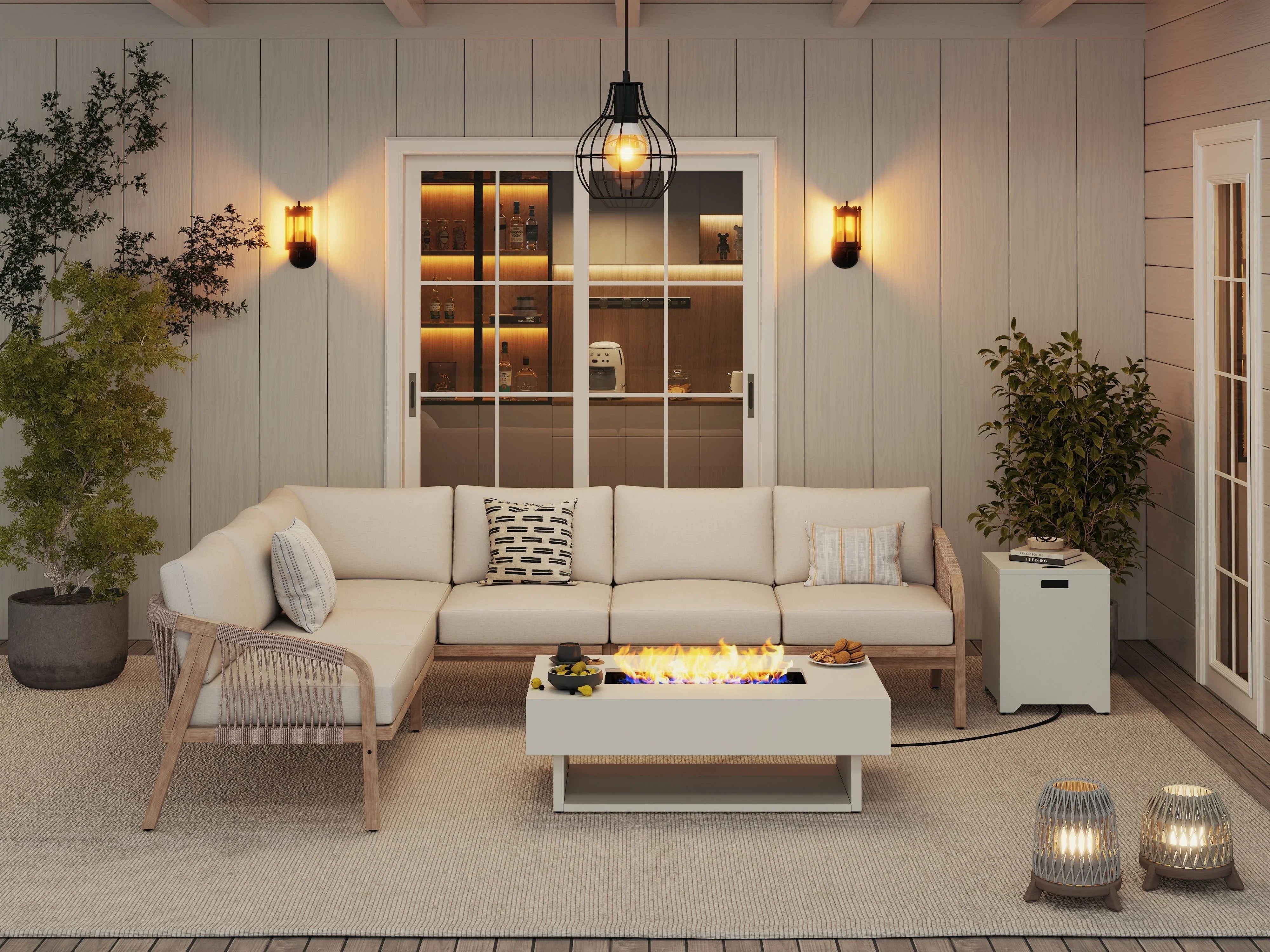
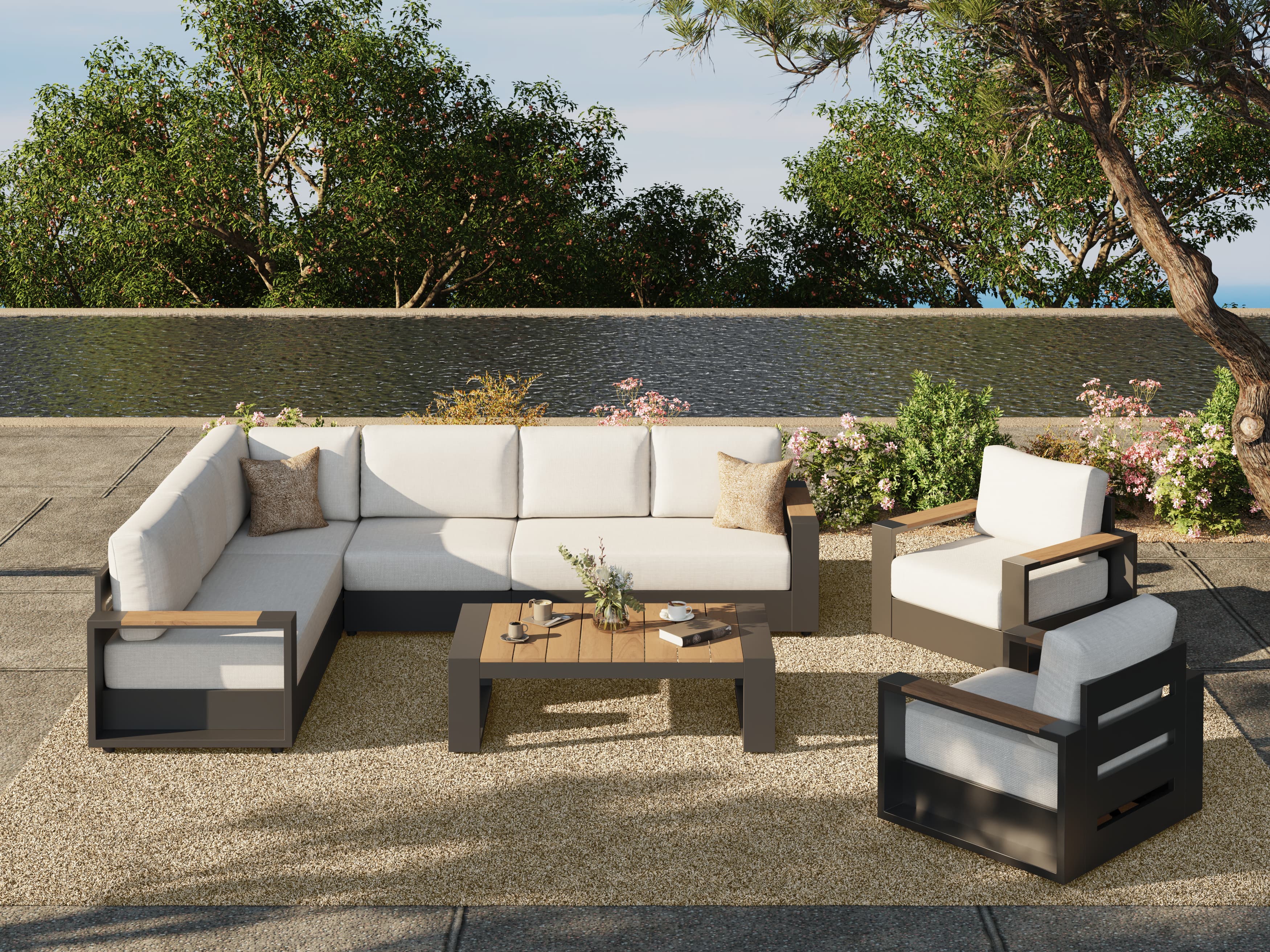
If you're furnishing a compact patio or balcony, compact sofas with efficient, usable depth are often the smarter pick over oversized deep-seating frames that dominate the space. And if you want room for friends to lounge comfortably, a full outdoor conversation set — where the sofa, loveseat, and chairs are designed to work together — removes the guesswork of matching depths and heights.

When you're shopping, start your search by shape: whether you need a snug loveseat or a full lounging sofa, browsing outdoor sofas and loveseats lets you compare usable seat depth and cushion setup side by side before you commit.

When buying online, you can't sit in the sofa before you purchase — so read the product details carefully and choose a brand with free return and exchange terms, such as Jardina. When buying in a physical store, before you buy, measure the depth with cushions installed, test it with your own body, check that your back is supported and your feet rest flat, and feel the cushion support before you commit.