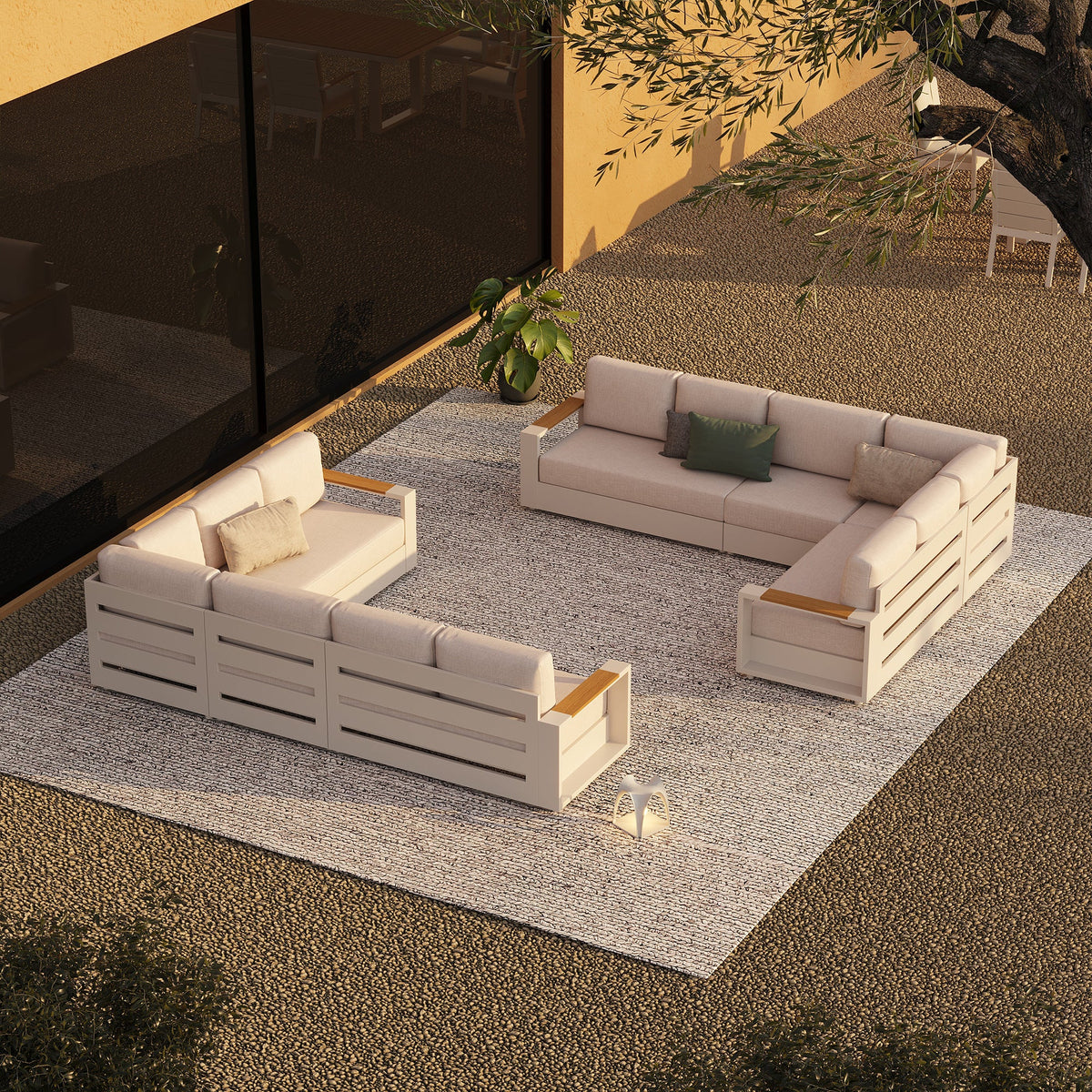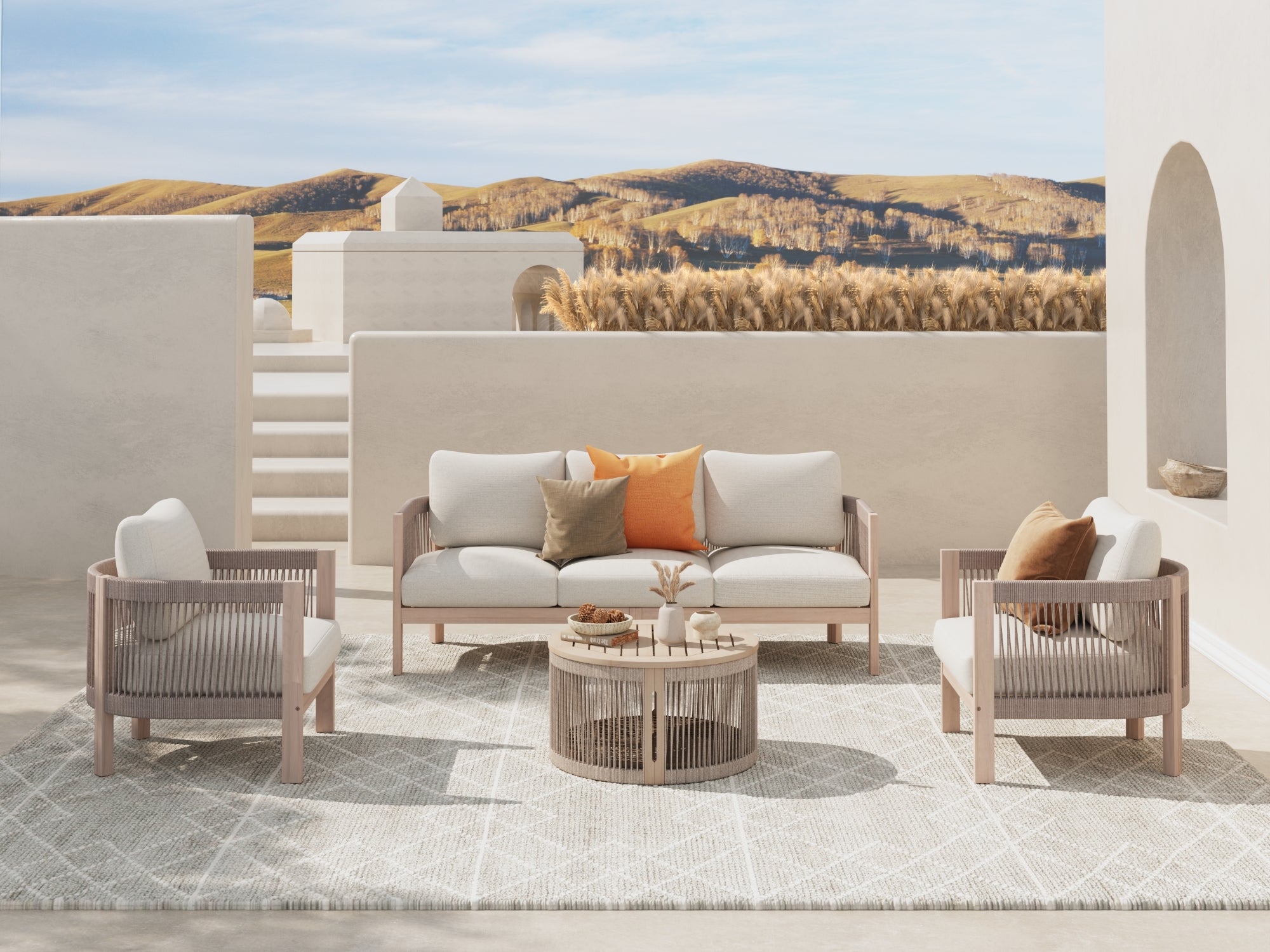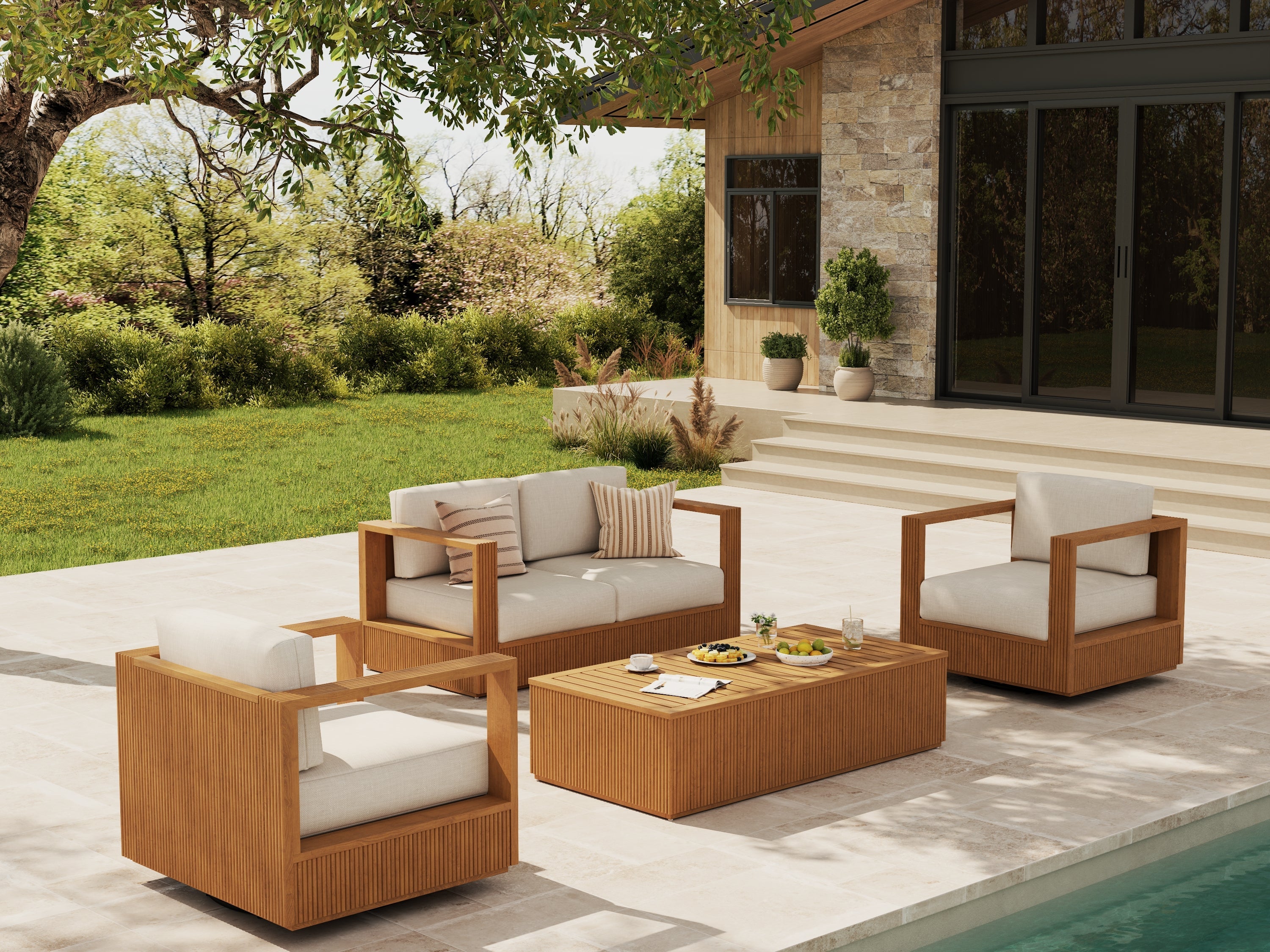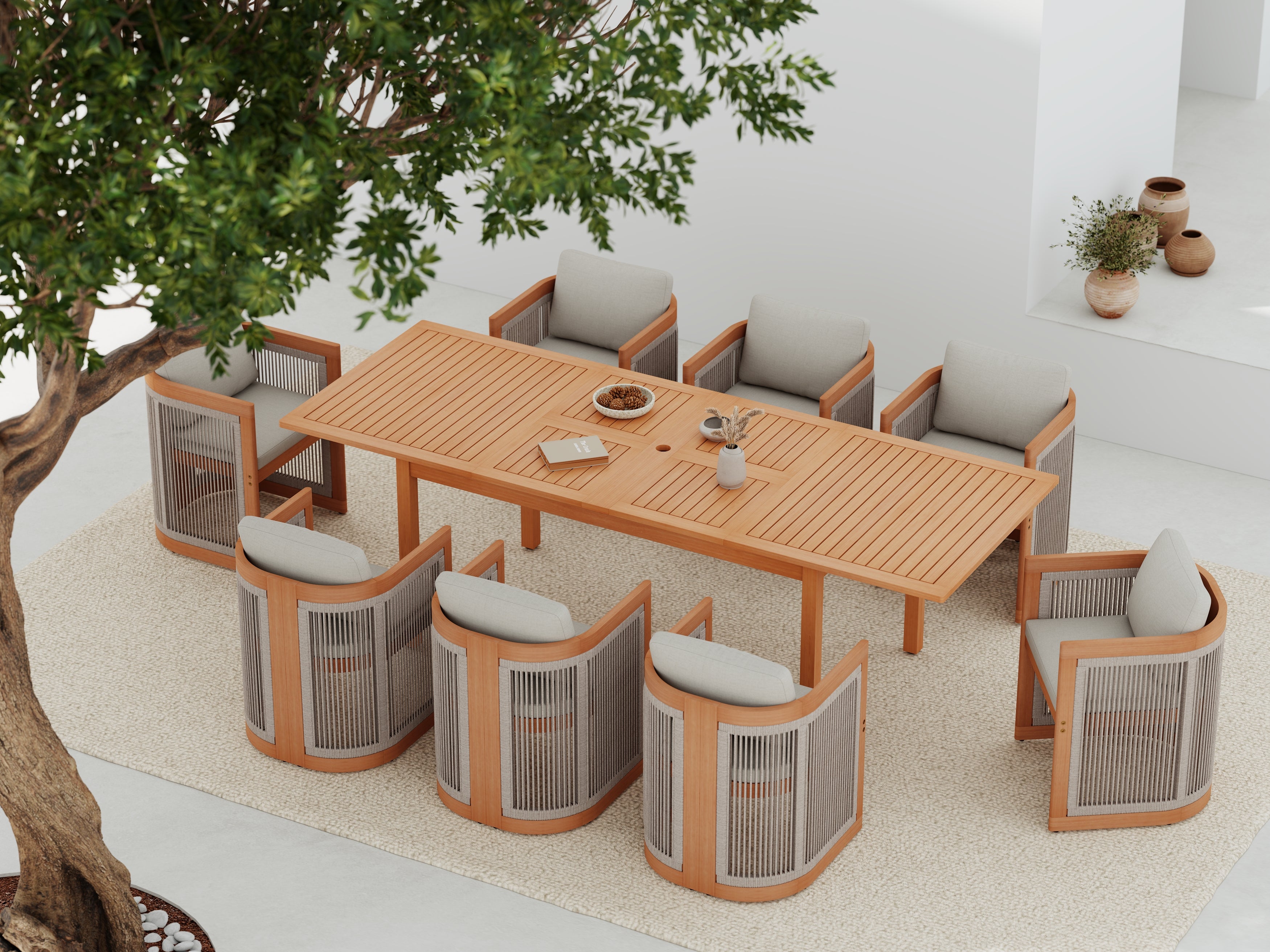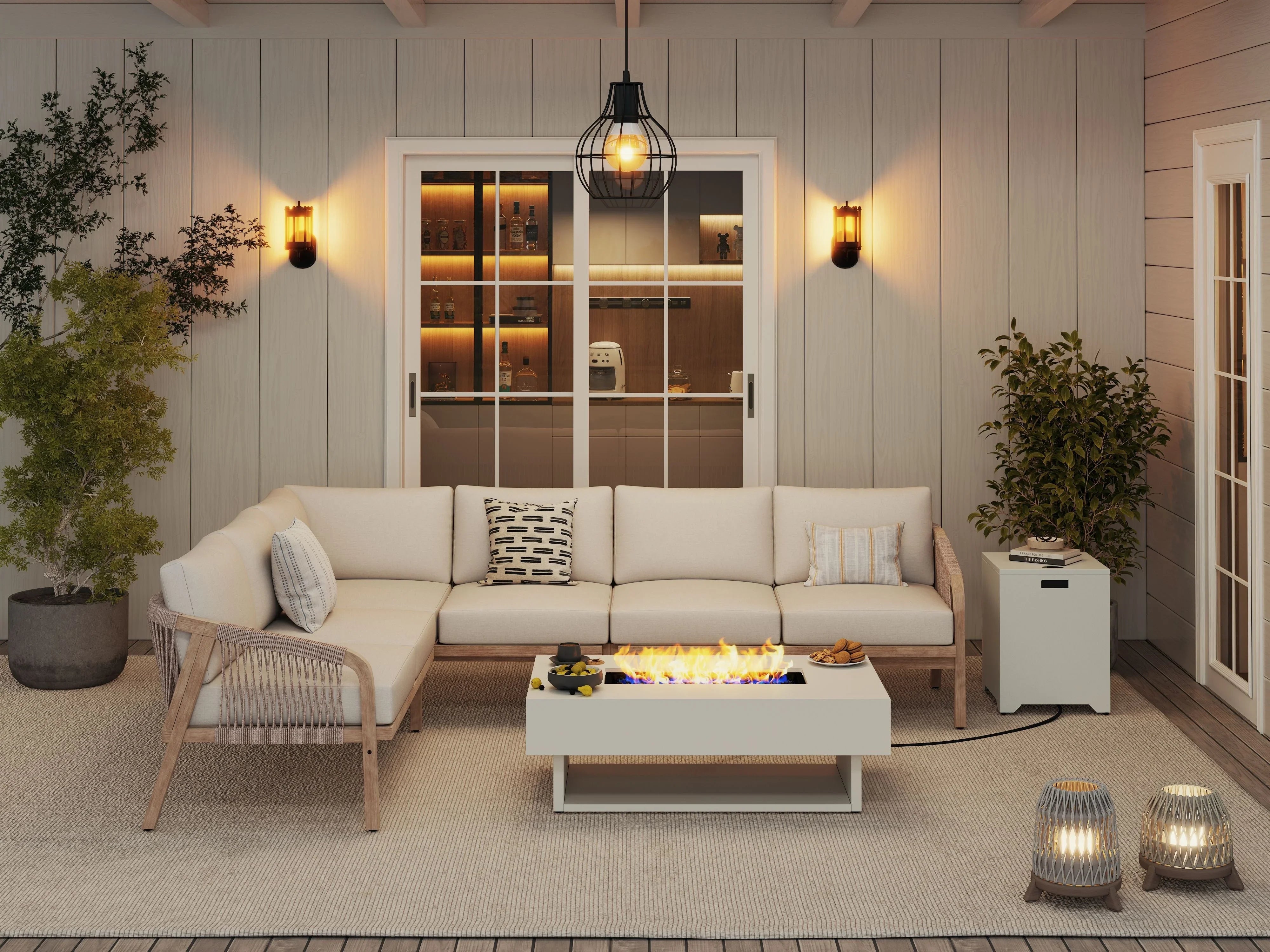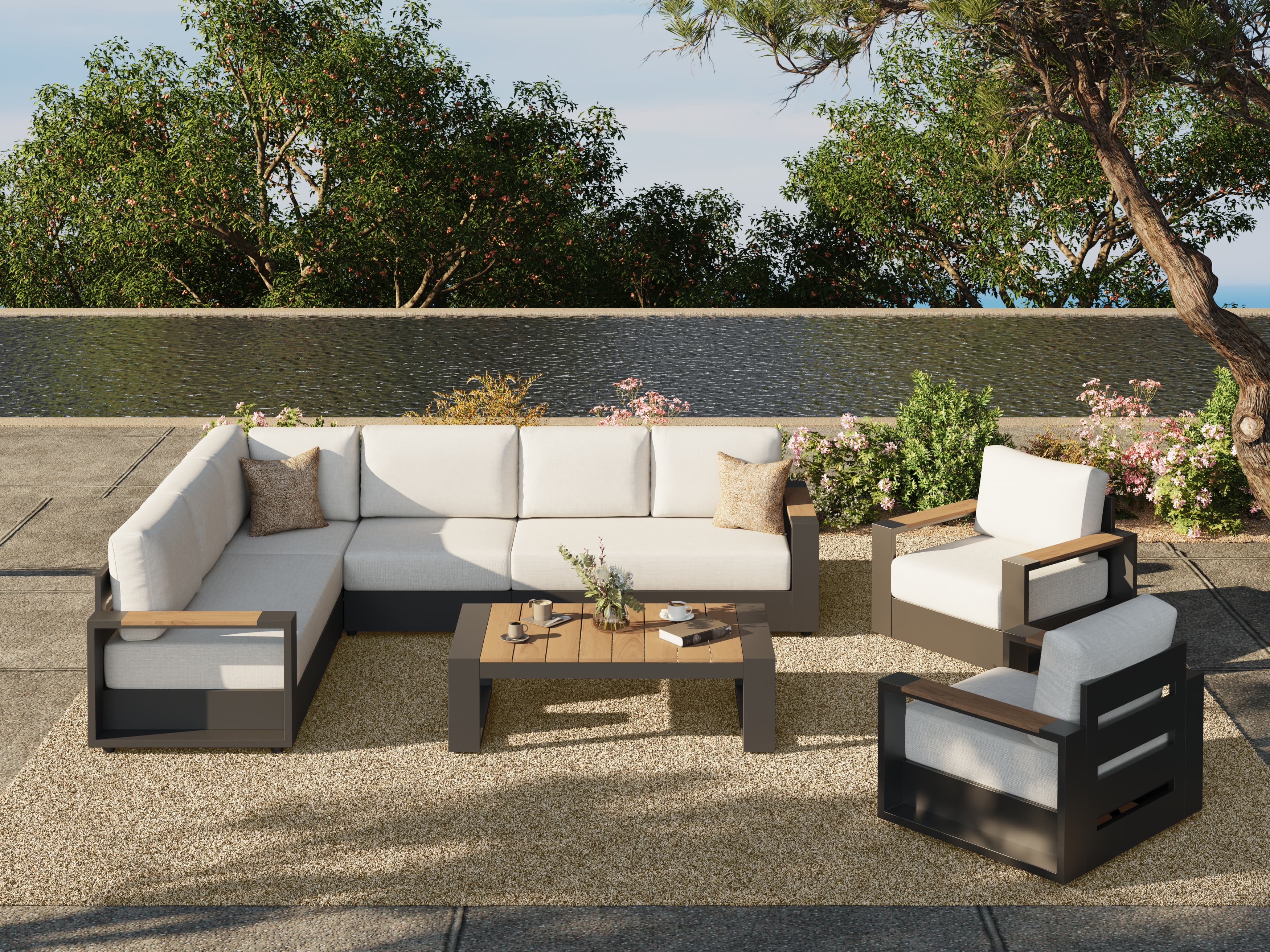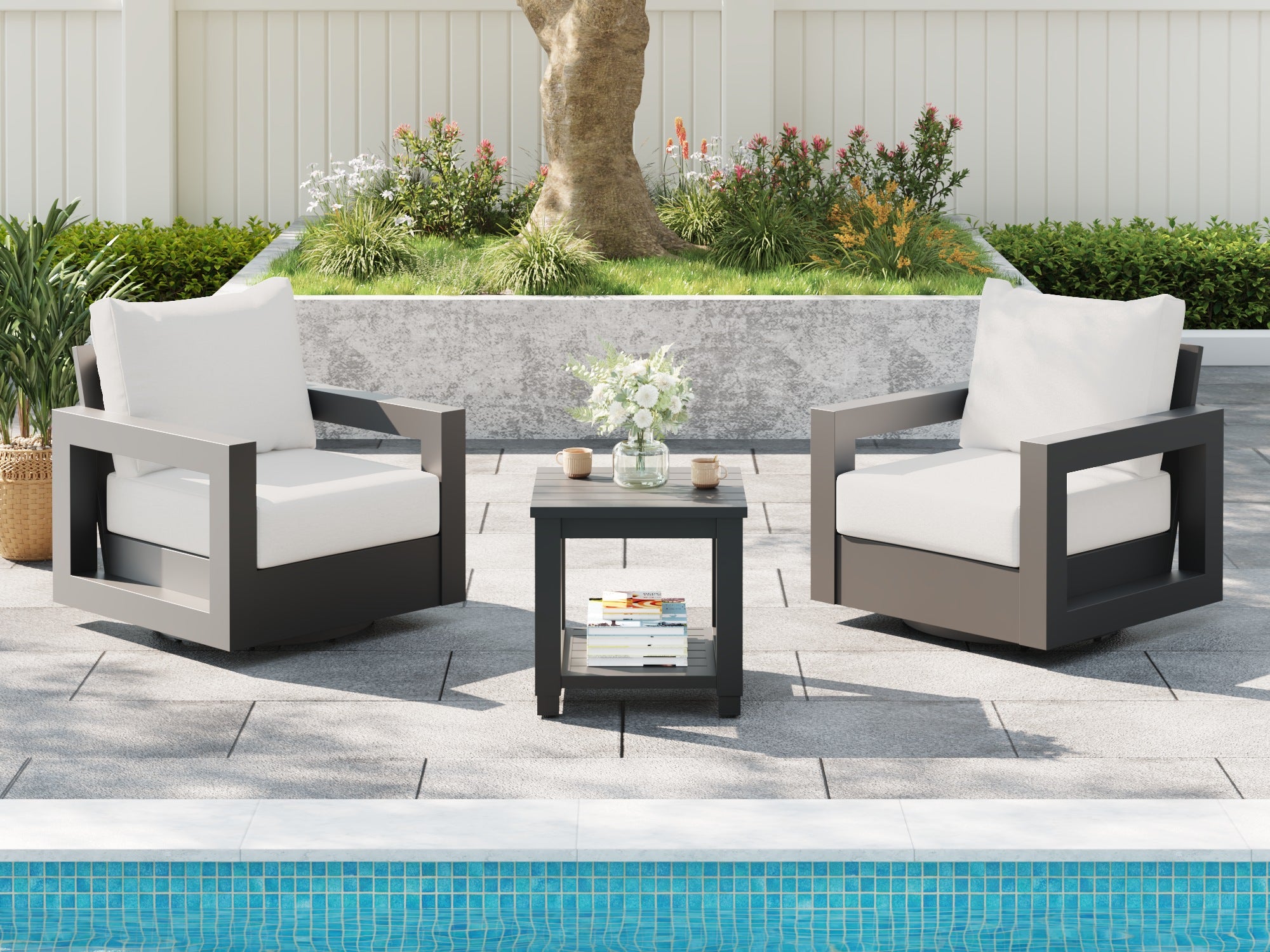

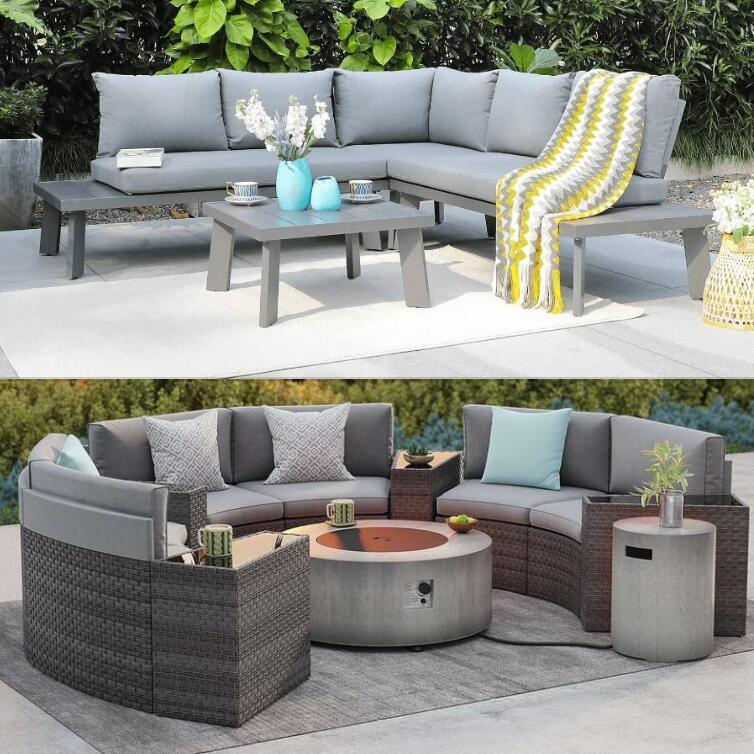
"Curved outdoor furniture" and "L-shaped outdoor furniture" represent two distinct styles or configurations of outdoor furniture. Determining which is better between "curved outdoor furniture" and "L-shaped outdoor furniture" depends on personal preferences and the specific needs of the outdoor space. Curved furniture offers a softer, more organic look and versatile placement, while L-shaped furniture maximizes seating and effectively utilizes corner spaces. Let's explore the characteristics of each to help you understand the differences:
1. Curved Outdoor Furniture

- Design: Curved outdoor furniture typically features pieces with gently curved or rounded shapes. This design creates a more organic and flowing appearance.
- Aesthetic: The curved design often imparts a softer and more inviting look to the outdoor space. It can be visually appealing and suitable for various settings.
- Versatility: Curved furniture is generally versatile and adaptable to different spaces, making it easy to integrate into various outdoor layouts.
2. L-shaped Outdoor Furniture

- Design: L-shaped outdoor furniture is configured in the shape of the letter "L." This design often includes two perpendicular seating sections, creating a corner or right angle.
- Functionality: L-shaped furniture is designed to maximize seating and optimize corner spaces. It's suitable for creating cozy and efficient seating arrangements, often promoting face-to-face interactions.
- Space Utilization: L-shaped furniture can be particularly useful for utilizing corners and creating defined seating areas in larger outdoor spaces.
How to choose the right size for an L-shaped outdoor sofa?

1. Measure Your Outdoor Space
- Total Available Area: Measure the length and width of the corner or area where the sofa will be placed, leaving enough space for walking and activities (recommended to reserve at least 70–100 cm of aisle space around the sofa).
- Wall/Corner Fit: For L-shaped sofas placed in corners, ensure the two sides of the "L" fit the corner walls or railing dimensions. For example, if the corner forms a 90° angle, the sofa’s two arms should ideally align with the walls to avoid gaps.
2. Determine the Sofa’s Structural Dimensions
3. Consider Usage Scenarios and Seating Capacity
- Single vs. Multiple Users:
Small Spaces (2–3 people): Choose a compact L-shape (e.g., total length 220–250 cm) with a short side as a chaise.
Large Groups (4–6 people): Opt for a modular L-shape with detachable seats or extendable sections (e.g., total length 300+ cm).
- Functionality:
Lounging: Prioritize deeper seats (90–100 cm) and a longer chaise (150–180 cm).
Socializing: Ensure the sofa faces other furniture (e.g., coffee tables, dining tables) and allows easy conversation.
4. Match with Other Furniture Proportions
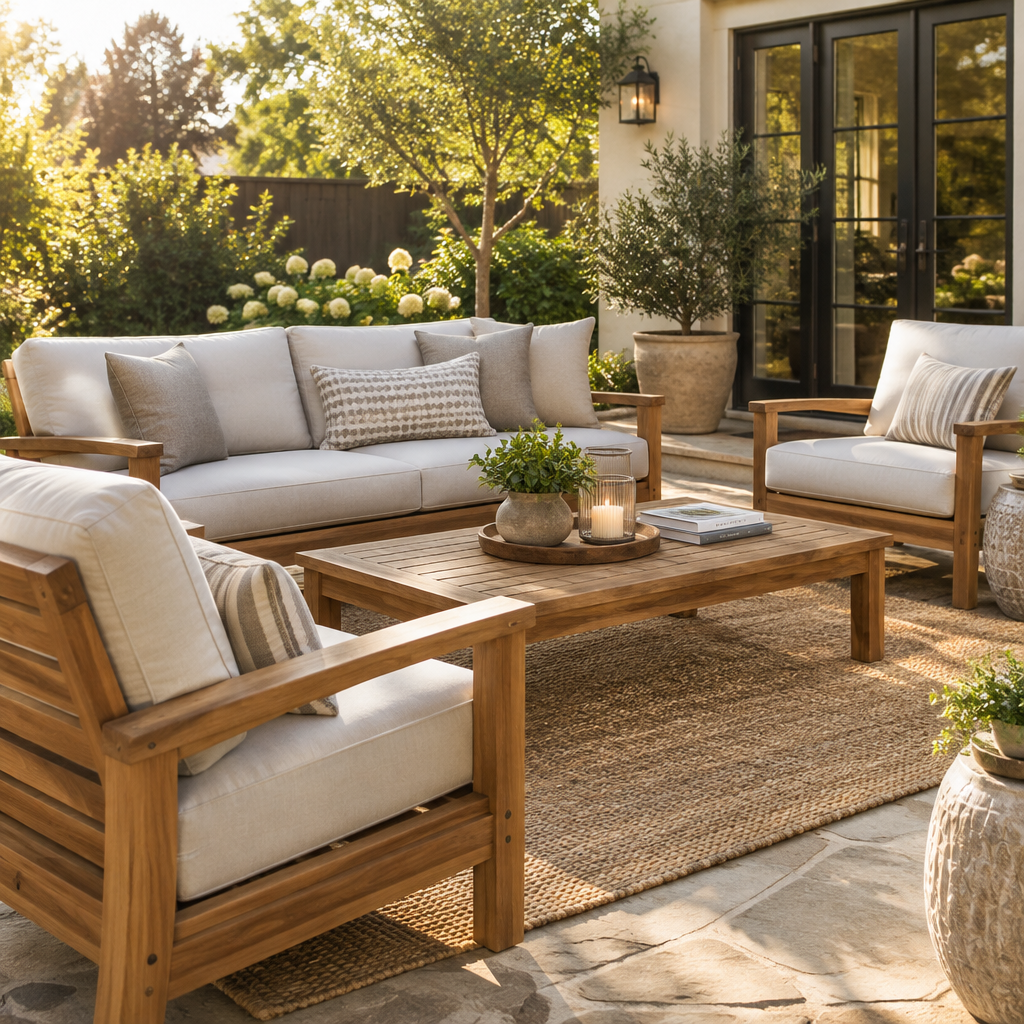
- Coffee Table: The height of the coffee table should be roughly equal to the sofa’s seat height (40–50 cm), and its length should be 2/3–3/4 of the sofa’s main side length.
- Side Tables/Planters: Leave 30–50 cm of space next to the sofa for placing items or greenery.
- Canopy/Shade Structures: Ensure the sofa fits under umbrellas or pergolas, with at least 50 cm of clearance on all sides.
5. Account for Outdoor Environment and Layout
- Balcony/Patio Shape:
Narrow Balconies: Choose a compact L-shape with a short side ≤120 cm to avoid overcrowding.
Spacious Patios: Opt for a wraparound L-shape or combine with ottomans for flexibility.
- Wind and Sun Exposure: If the sofa is placed in a windy area, avoid overly large sizes that may require additional anchoring. For sunny spots, ensure the layout allows for easy placement of sunshades.
6. Test with Mockups or Templates
- Tape/Chalk Layout: Use tape or chalk to mark the sofa’s footprint on the ground to visualize the space.
- Modular Sofas: Consider modular designs that can be reconfigured to adapt to seasonal or spatial changes.
7. Material and Style Considerations
Example Sizing Guide by Space
Final Tips
The selection between curved and L-shaped outdoor furniture significantly hinges upon the style, shape, and layout of your courtyard, in addition to its location. Each option presents distinct advantages based on these factors. Regarding budget considerations, the cost may vary based on the number of seats needed and the materials used in the furniture's construction.
In more expansive outdoor areas, both curved and L-shaped furniture configurations can be suitable. However, the choice might be influenced by the specific layout and purpose of the space. For instance, an L-shaped setup tends to be more fitting for corners, effectively utilizing these areas to create cozy seating zones and maximize the available space.
Conversely, if your courtyard boasts a circular or rounded shape, curved outdoor furniture naturally complements this design more seamlessly. The curved style not only harmonizes with the circular layout but also enhances the fluidity and aesthetic appeal of the space.
Ultimately, the decision should align with your courtyard's unique characteristics, ensuring that the chosen furniture style complements the area's layout while meeting your functional and aesthetic preferences. Additionally, understanding your seating requirements and the materials used in the furniture's construction can help manage the budget effectively while creating an inviting outdoor environment.
At Jardina, we guarantee you can find the perfect patio furniture, whether curved or L-shaped, explore here: https://jardina.com/collections/all-products