

Jardina inspiration
Outdoor Dining Tables
Filters
12 products
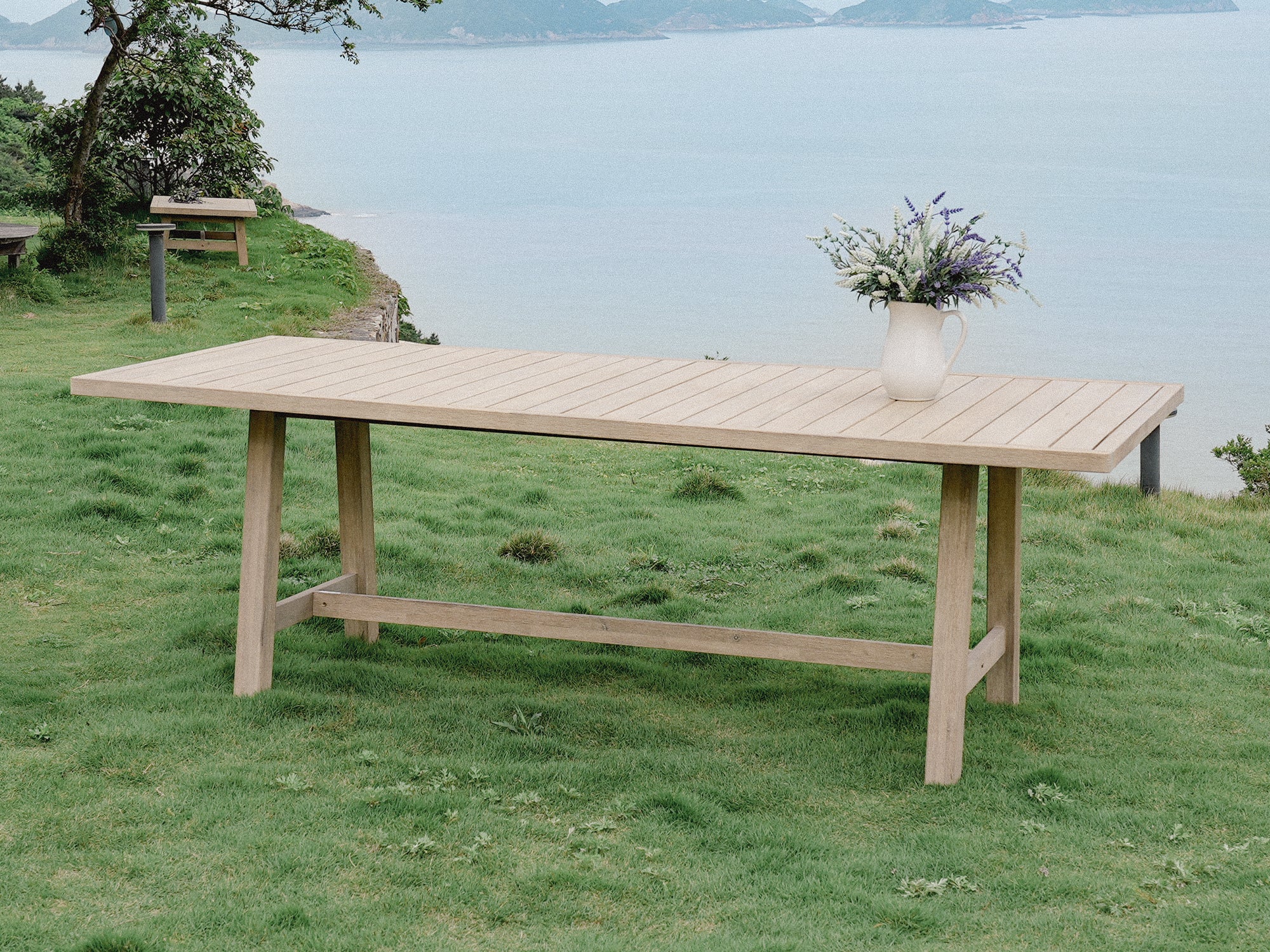
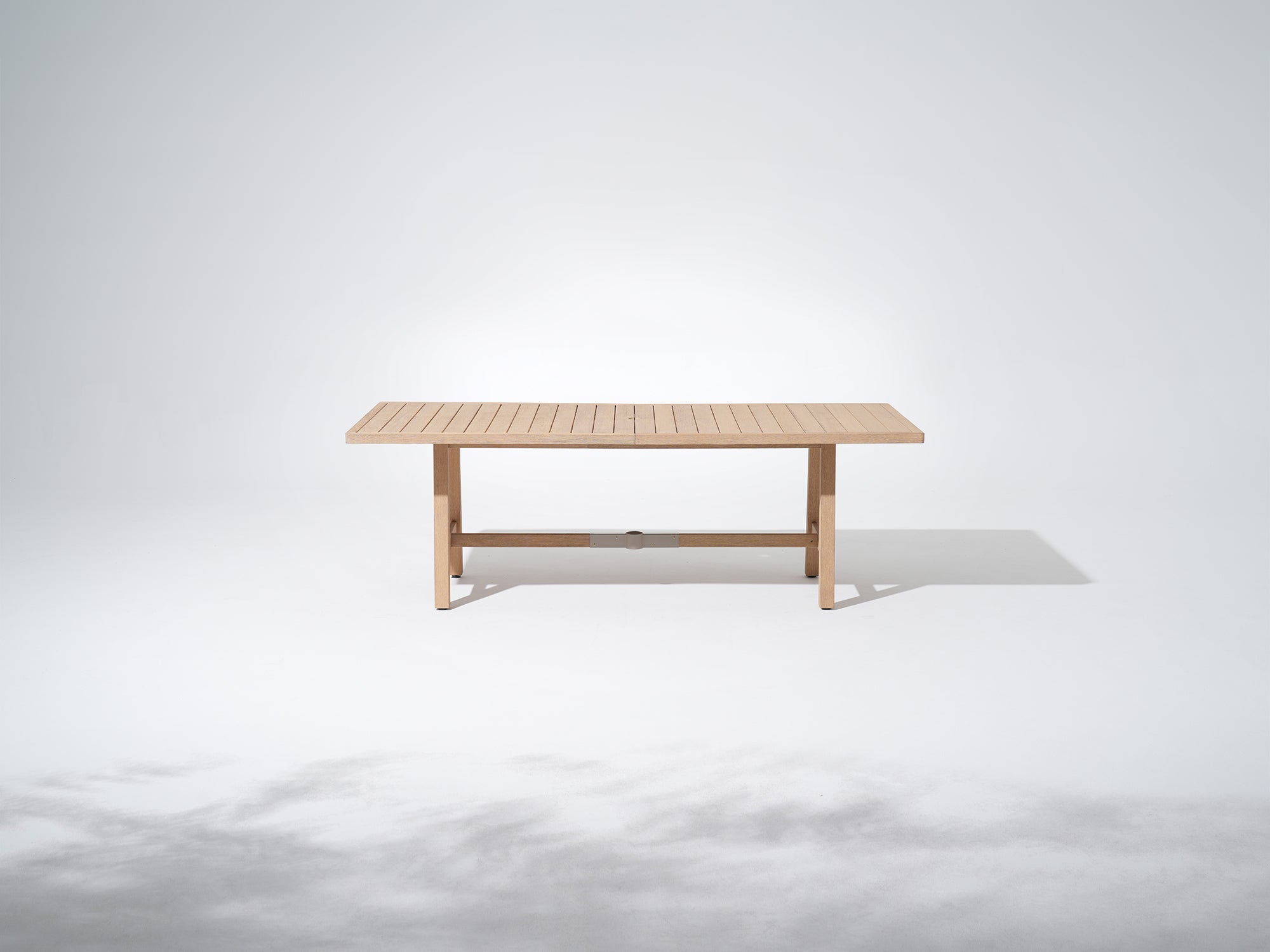
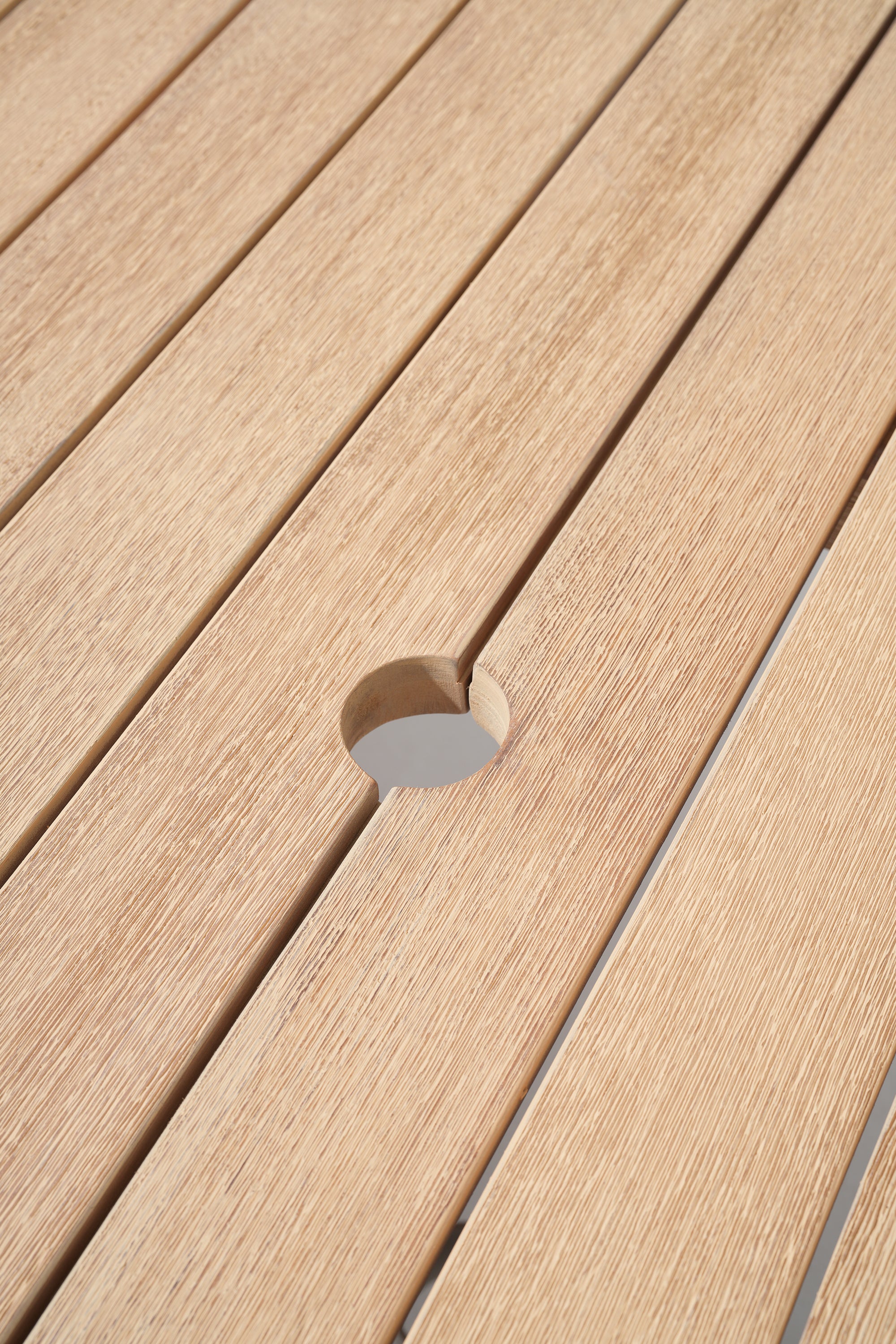
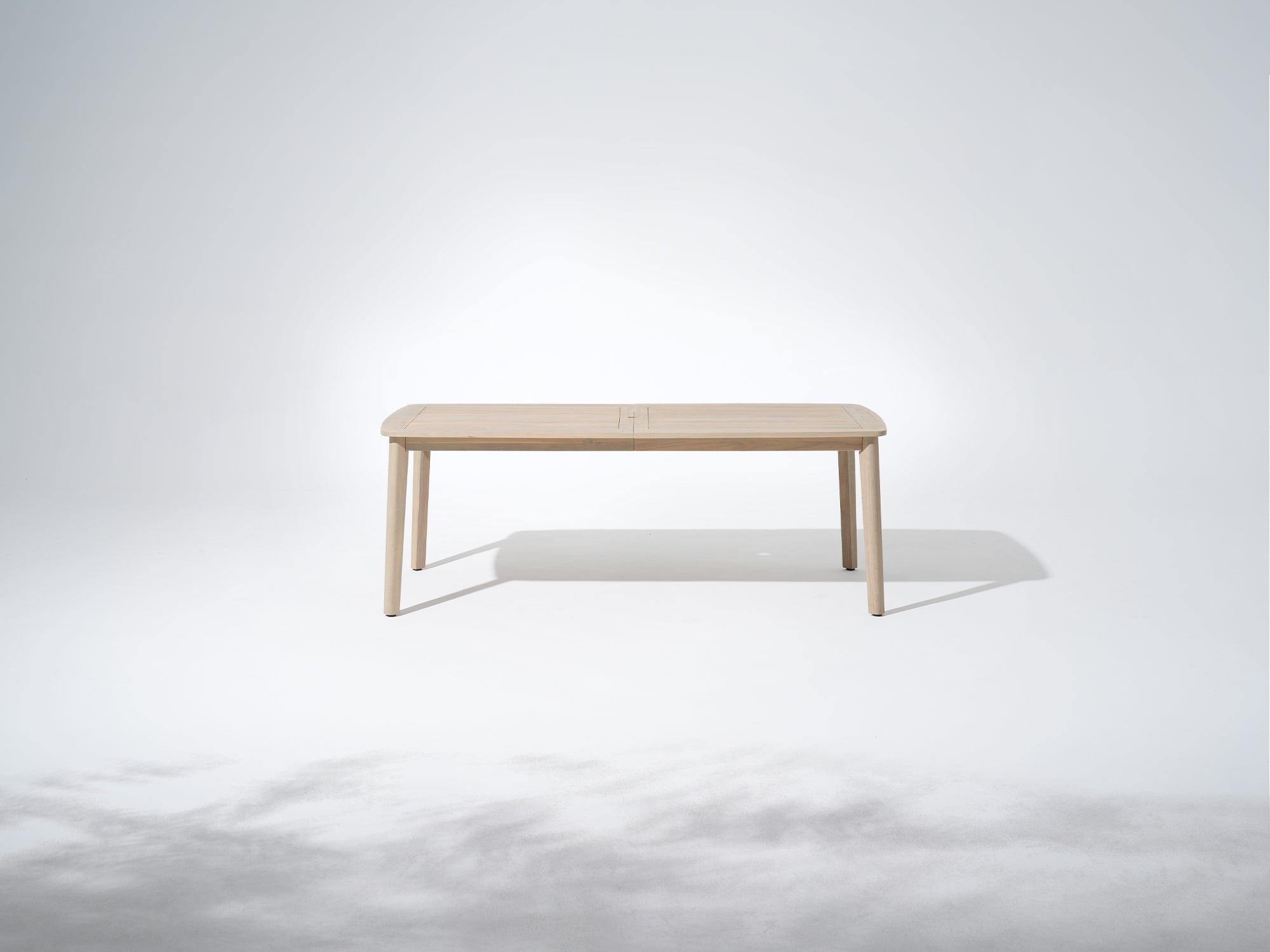
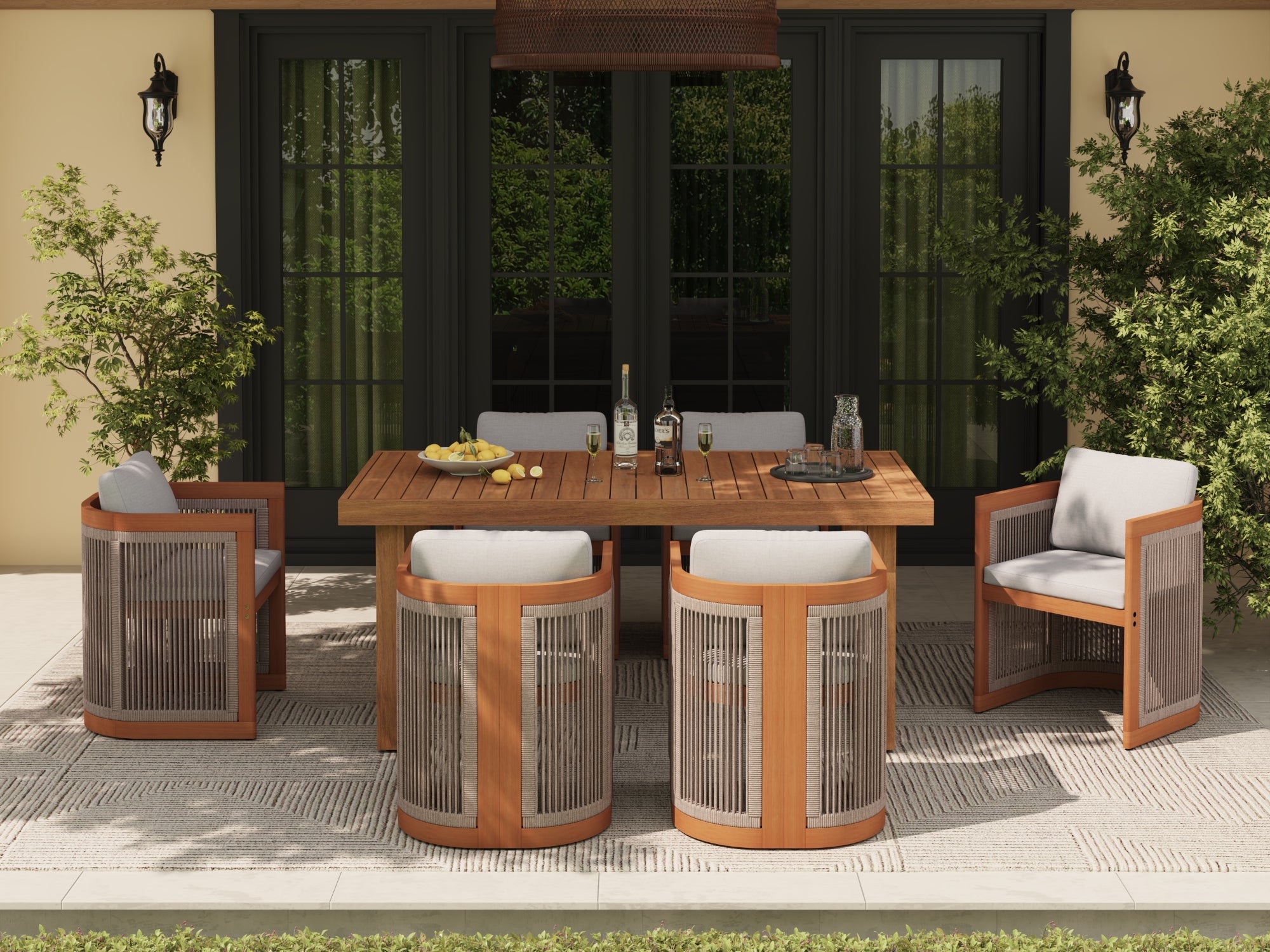
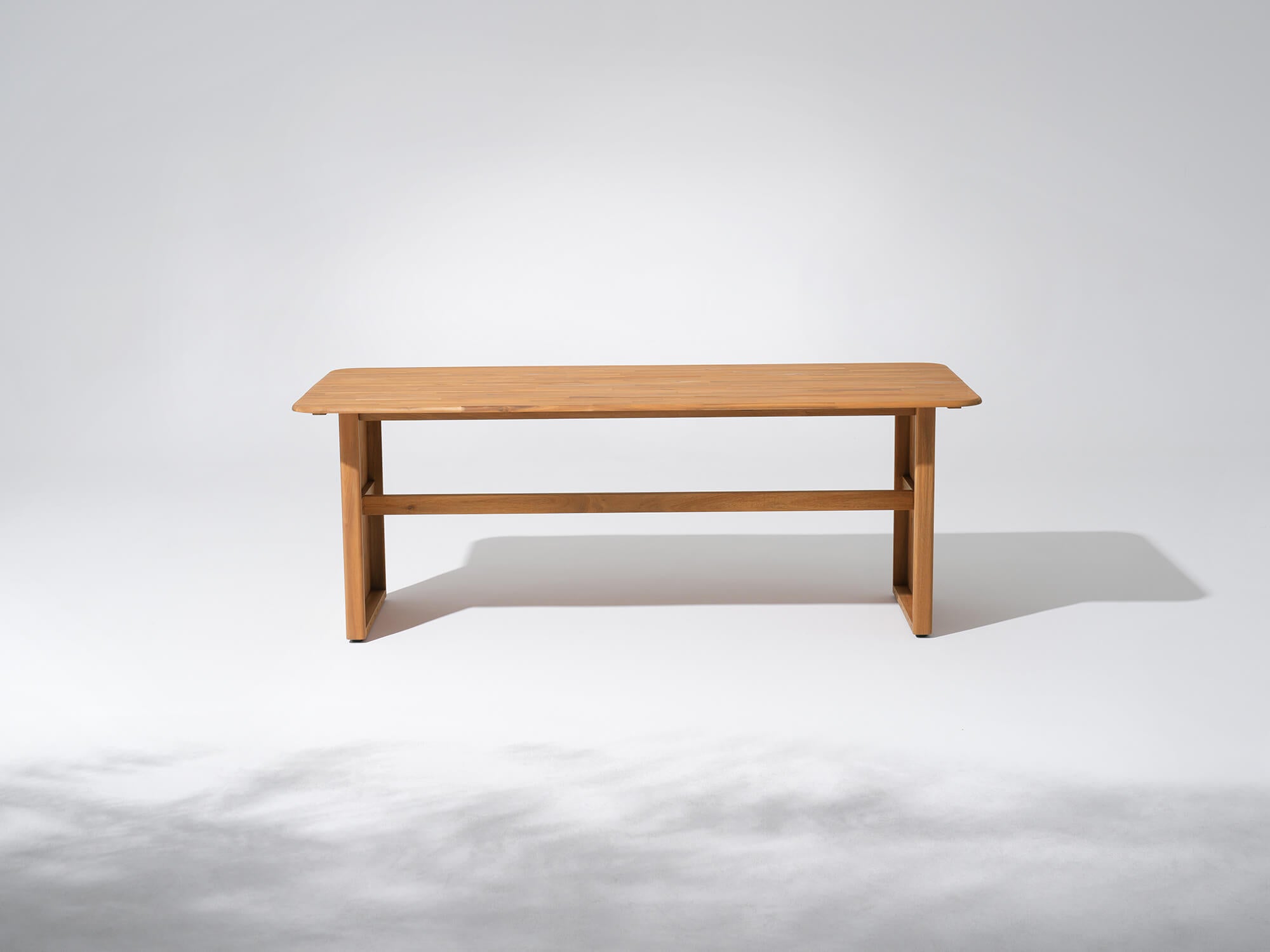
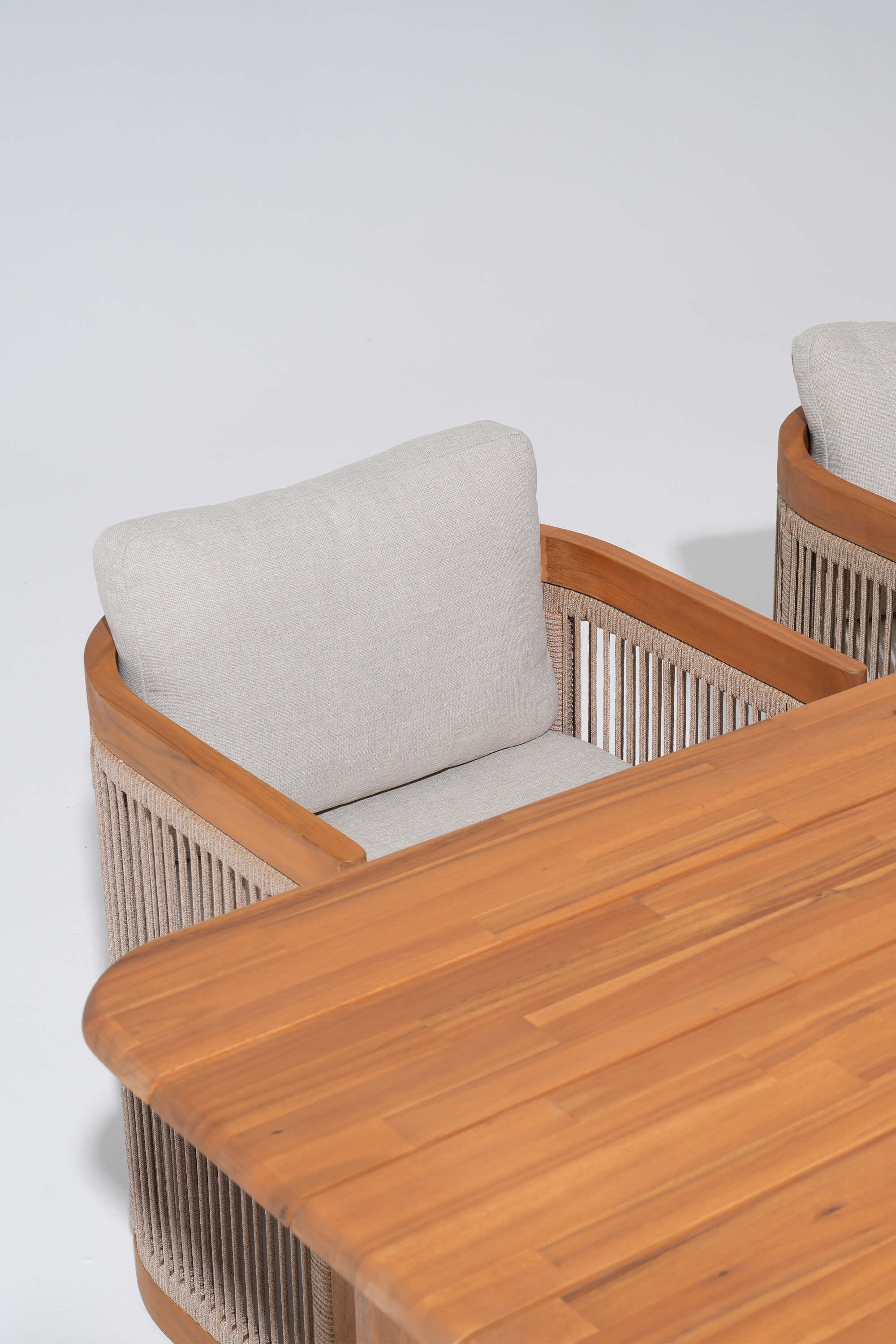
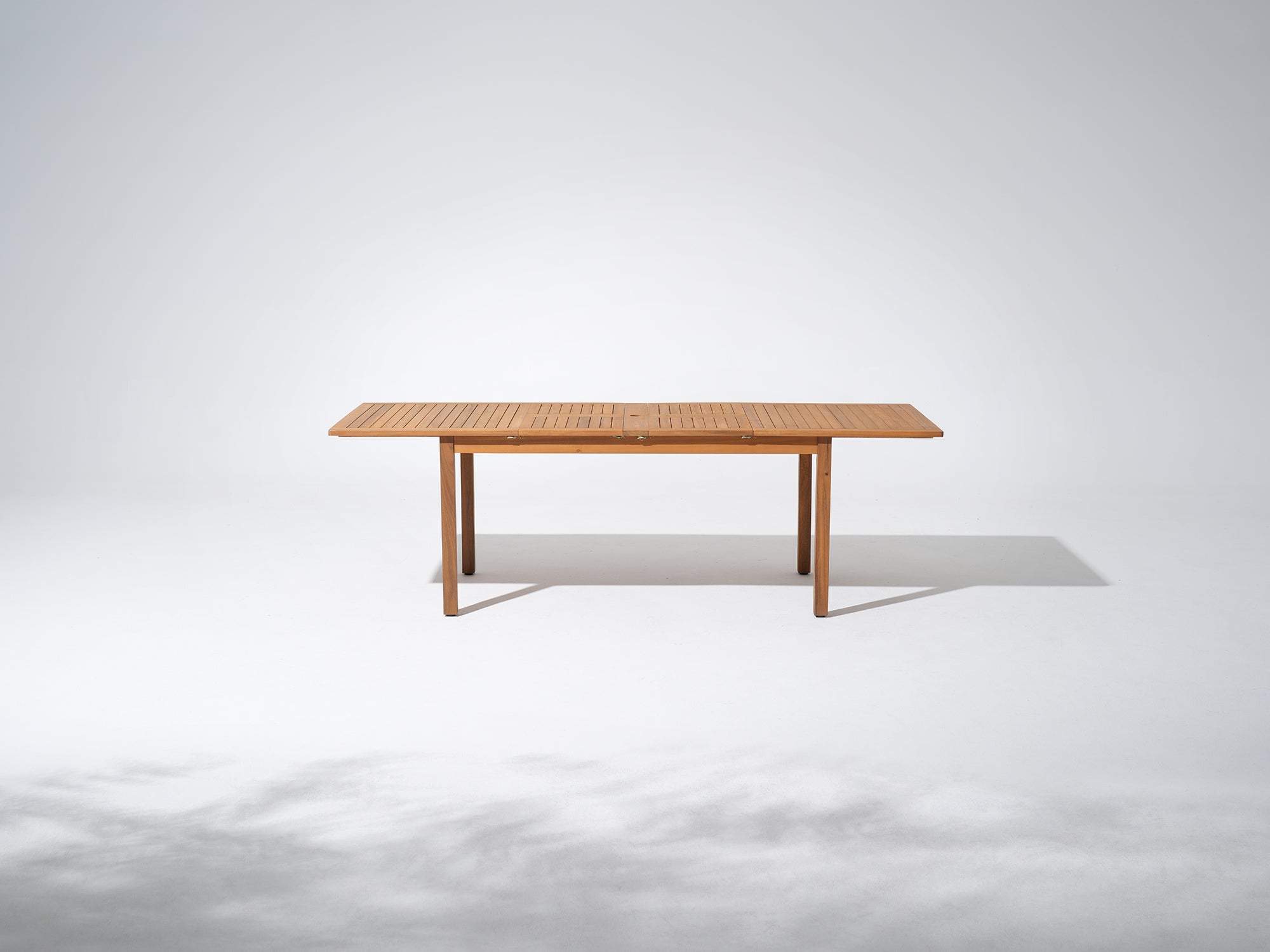
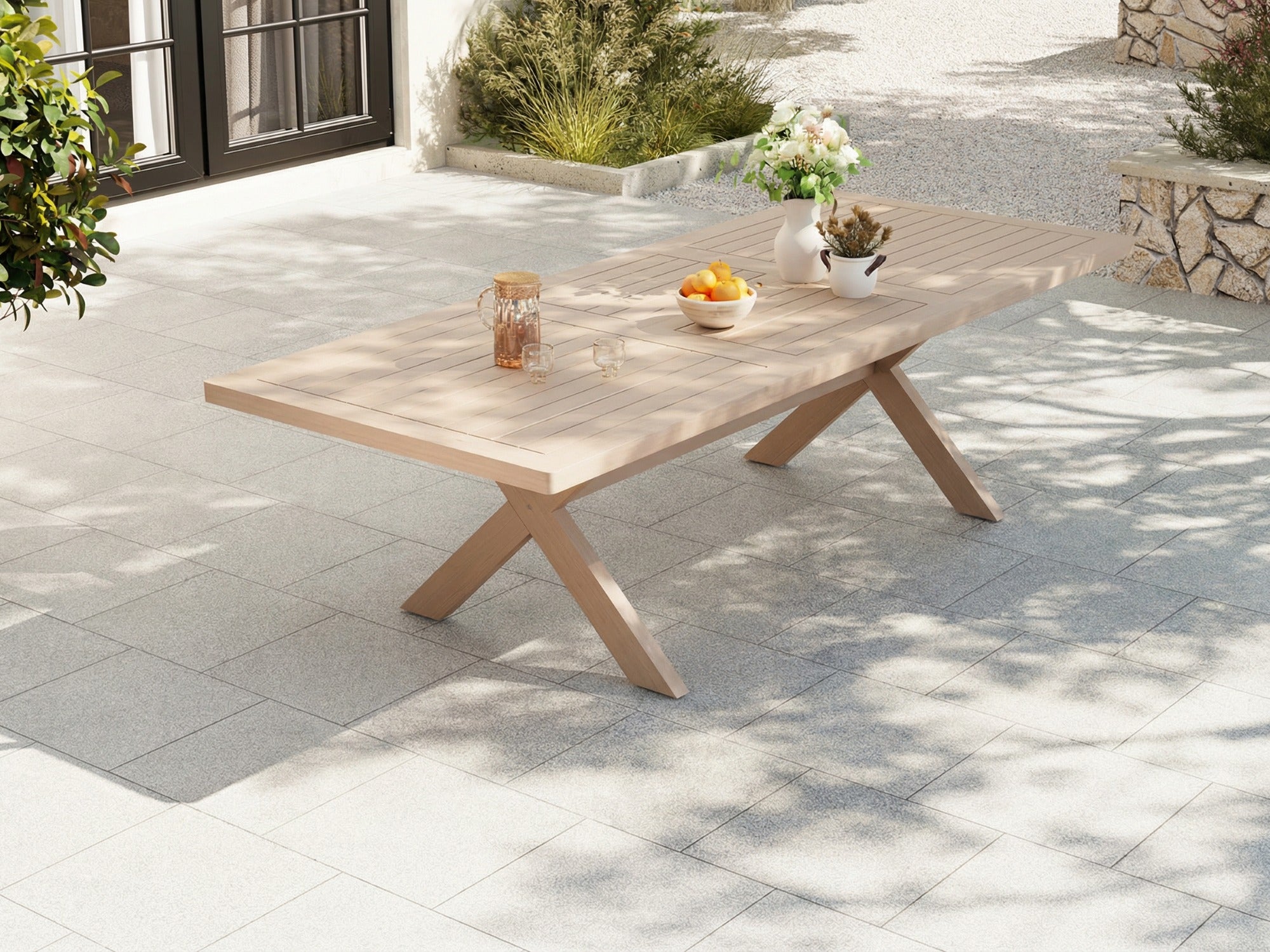

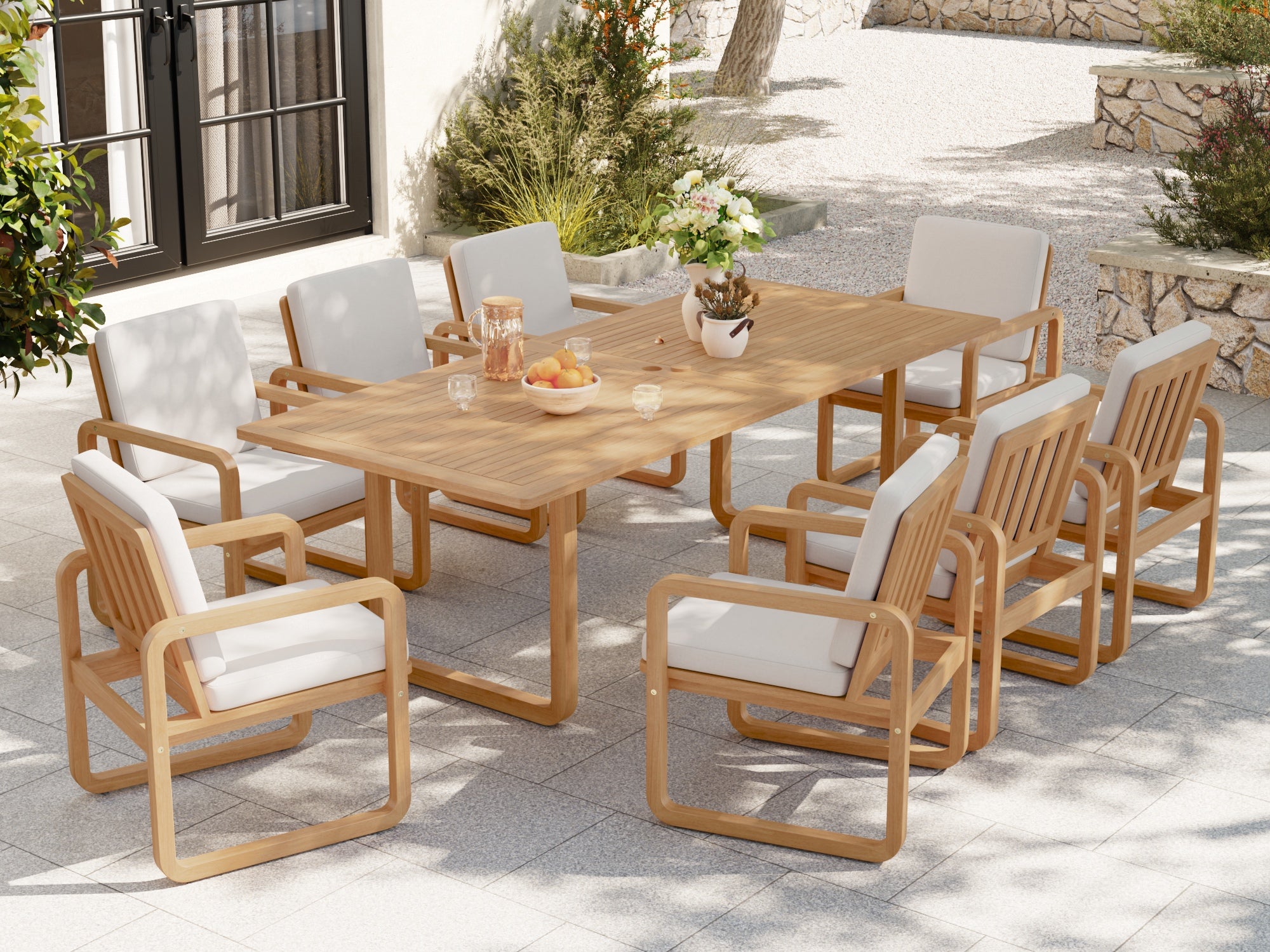
Explore More
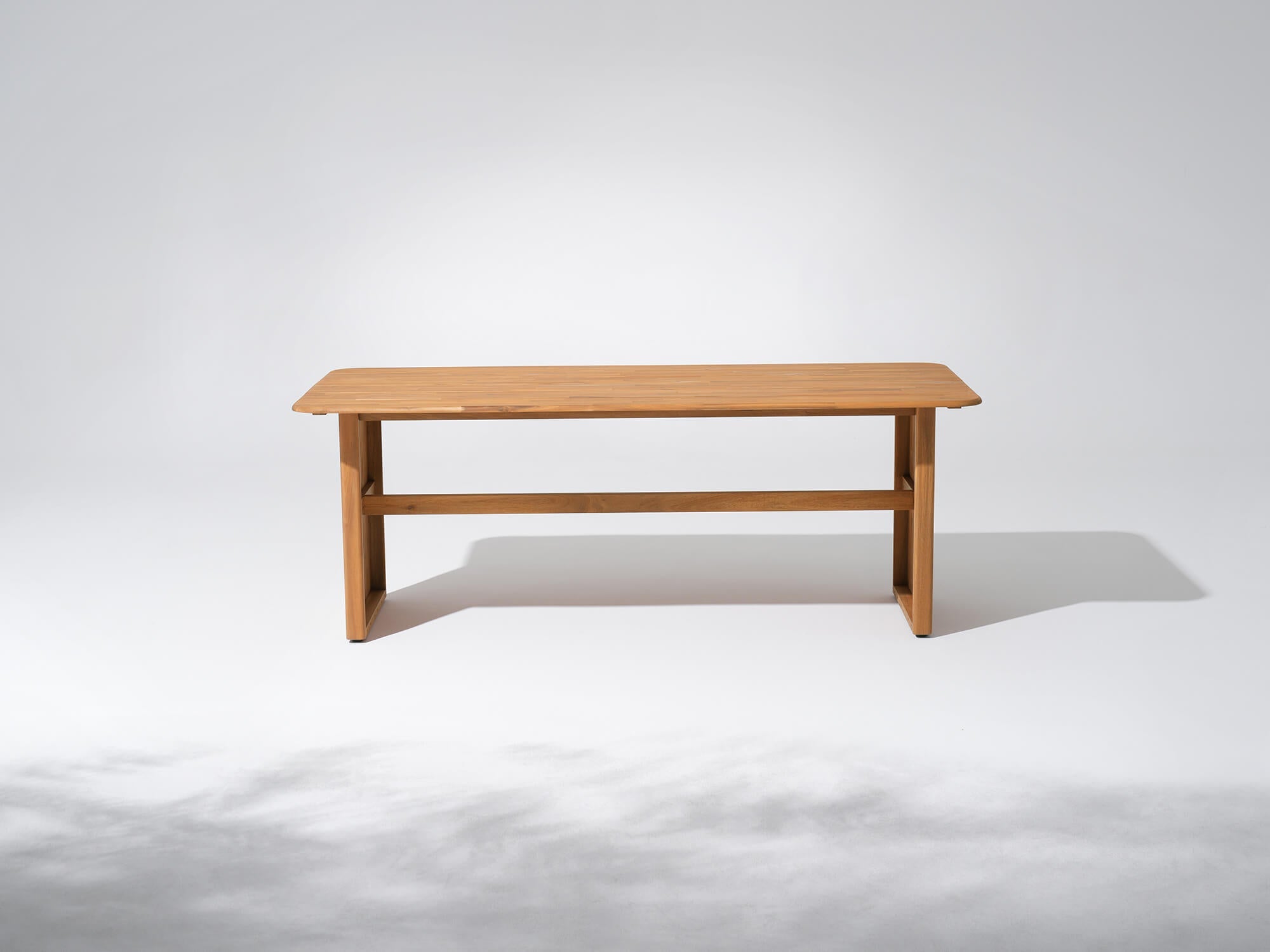
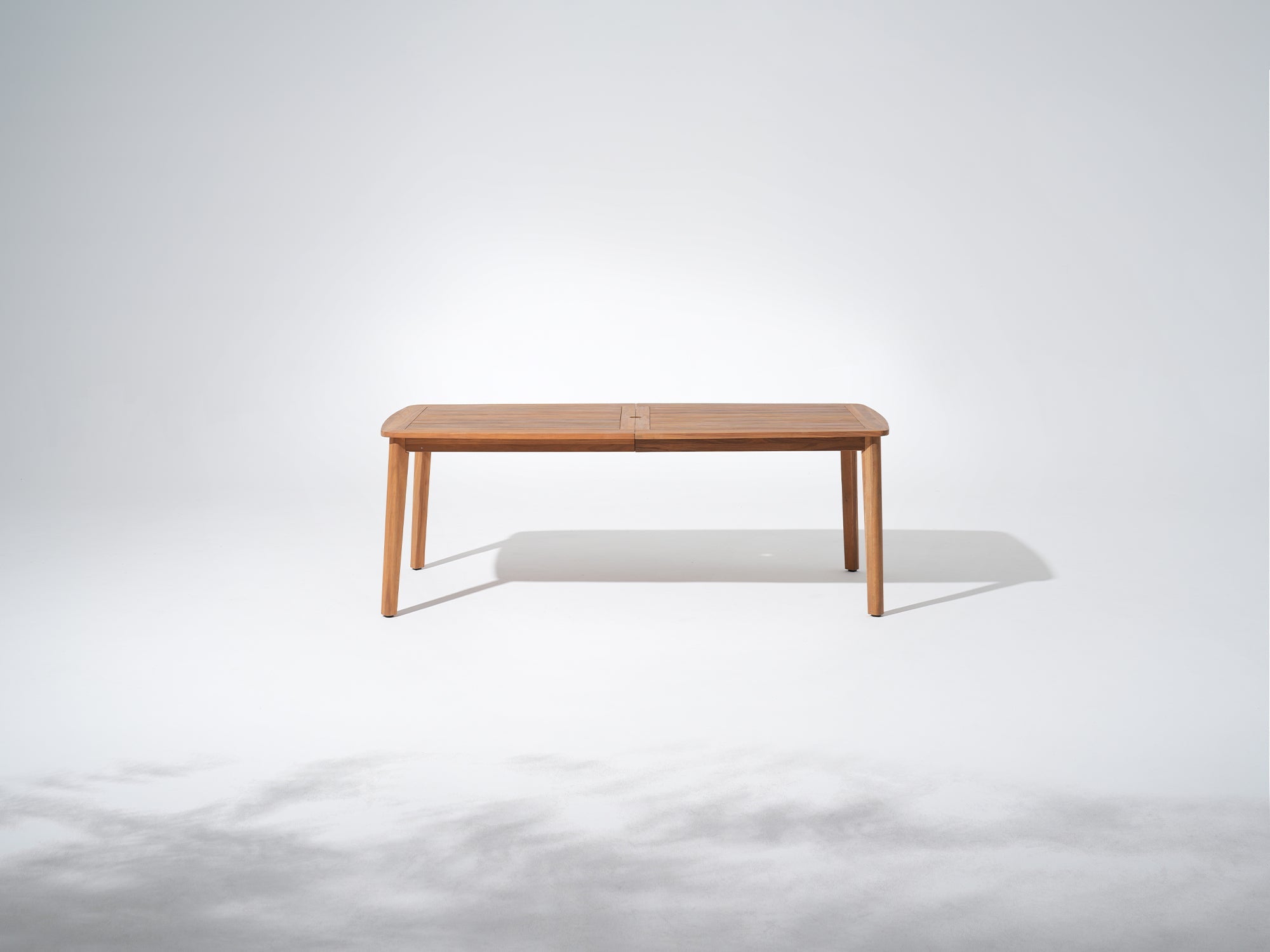
Categories


FAQ
Looking for answers to common questions about outdoor dining tables? Look no further! Jardina's FAQ section has got you covered.
What materials are best for outdoor dining tables?
The recommended materials for outdoor dining tables include teak, wooden, wicker, aluminum or wrought iron. These materials are durable, long-lasting and weather-resistant, making them suitable for use outdoors.
What size of the outdoor dining table should I choose?
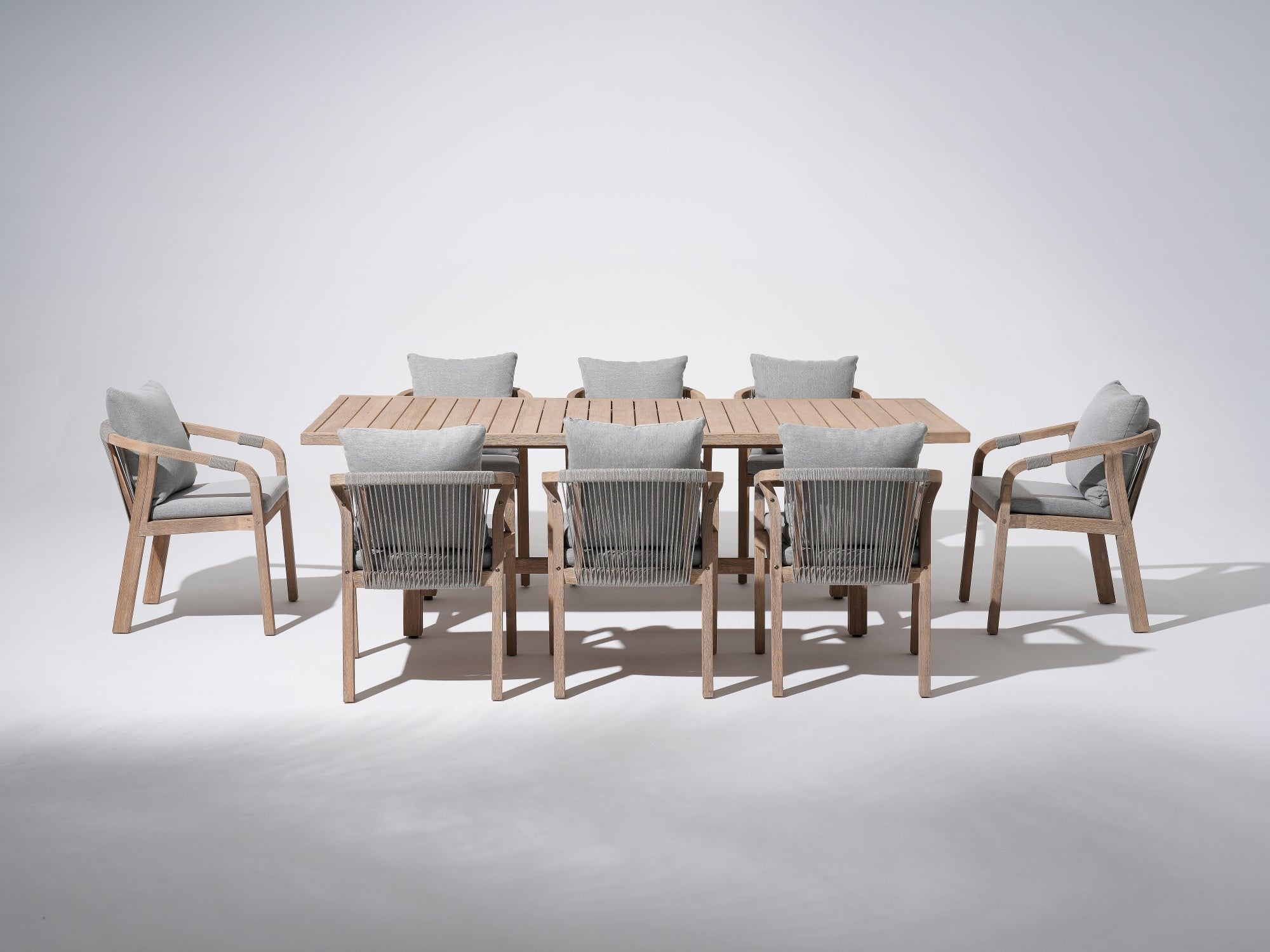
The size of your outdoor dining table depends on the available space in your patio or yard. However, a standard outdoor dining table can accommodate 6-8 people comfortably.
Umbrella-hole vs No-hole: What’s Better for Outdoor Dining Tables?
When choosing an outdoor dining table, one key design decision you’ll face is whether to get a table with a built-in umbrella hole or one without. Both have their advantages — the right choice depends on how you plan to use your outdoor space. Deep Exploration: which is better?
How to Care for Your Wooden Outdoor Dining Table?
To care for your wooden outdoor dining table, clean it regularly with mild soapy water and dry it fully to avoid moisture damage; apply outdoor wood sealant/oil yearly for UV and weather protection. Use a breathable weatherproof cover when not in use, place coasters/placemats under hot/cold items to prevent damage, and keep it in a shaded, well-ventilated spot. For stains/mildew, use a gentle wood cleaner, and inspect and repair minor wear promptly.
Why Bench With A Dining Table?
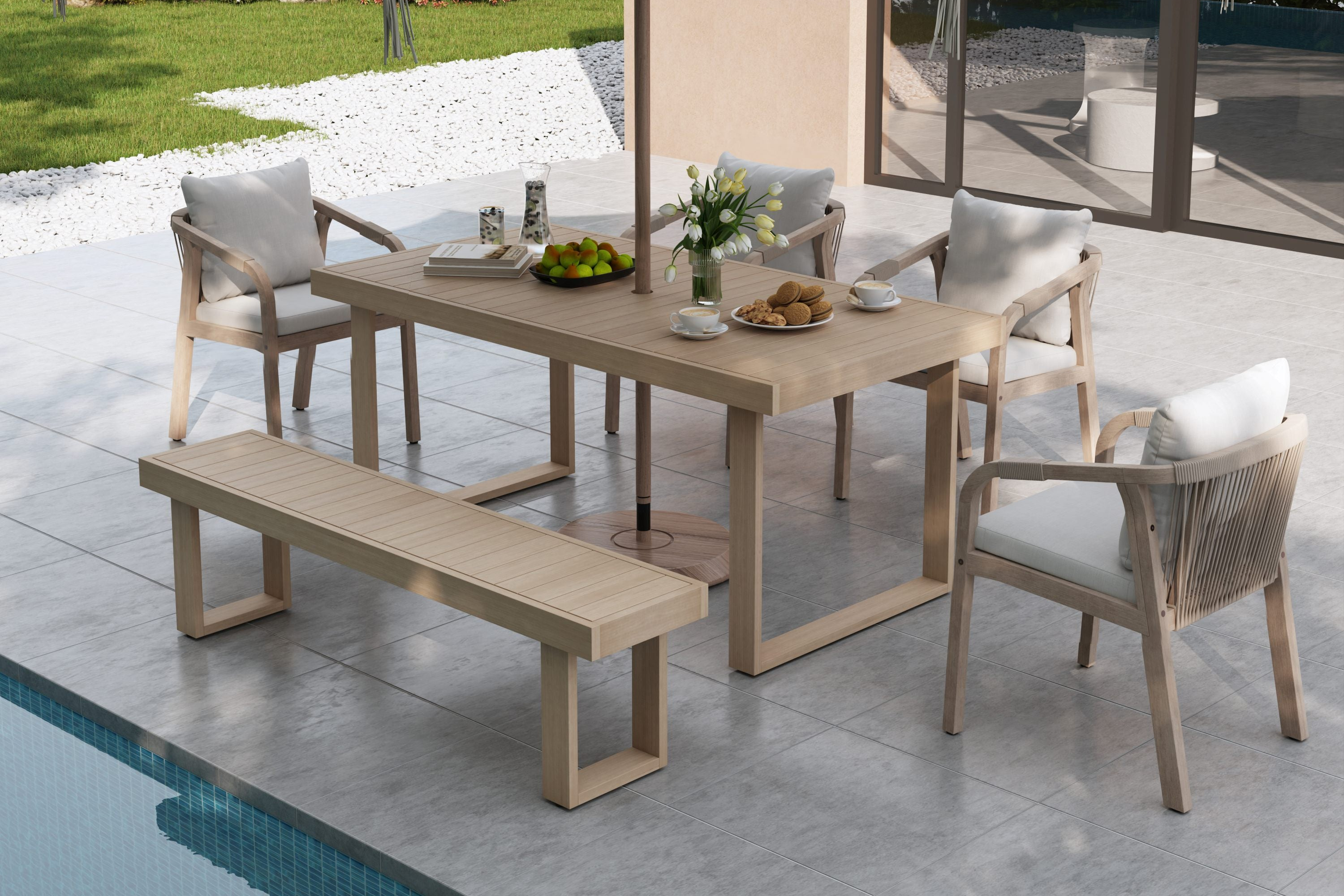
Compared with separate chairs, outdoor dining benches are more flexible and can easily accommodate extra guests for both small family meals and larger gatherings. They also save space, tuck neatly under the table to avoid clutter, and create a comfortable, communal atmosphere that encourages closer interaction and a warm, welcoming environment. Learn more: https://jardina.com/blogs/all/why-bench-with-a-dining-table
Outdoor Dining Chairs & Tables: Set or Mix-and-Match?
Outdoor dining sets offer effortless cohesion with perfectly coordinated materials, colors, and styles, ideal for those seeking a unified look without design effort; they also save time and reduce stress by eliminating the need to mix and match separate pieces, feature consistent high-quality, weather-resistant materials for uniform durability and longer lifespan, and help keep small patios or balconies looking streamlined and uncluttered.
What Types of Dining Tables Should You Avoid Buying?
MDF (Medium-Density Fiberboard) Tables: MDF tables are not suitable for outdoor use at all. They easily absorb moisture, swell, warp, and fall apart in humid or rainy conditions, and they cannot withstand prolonged sun exposure, making them extremely low in durability.
Regular Glass Tables: Ordinary thin glass tables are prone to cracking, shattering, or scratching under outdoor temperature changes, strong impacts, or direct sunlight. They also lack weather resistance and pose potential safety risks.
Quartzite/Sintered Stone Lookalikes: Imitation quartzite and sintered stone tabletops are often made of low-quality composite materials. They fade quickly, are susceptible to cracking from heat or cold, and do not offer real weather resistance, despite looking similar to high-end stone.
Iron Tables with Basic Paint: Iron tables with only a simple paint coating will quickly rust, peel, and corrode when exposed to rain and moisture outdoors. They require frequent maintenance and have a very short service life.
Oversized or Too-Small Fixed Tables: Fixed-size tables that are overly large waste limited outdoor space, while ones that are too small fail to accommodate daily use or guests. Their non-adjustable design severely reduces practicality and flexibility.
Avoid these types of outdoor dining tables, choose our top alternatives for quality, style, and longevity.
How to clean the outdoor dining table?
The method of cleaning depends on the material of the table. For instance, teak and wicker tables require cleaning with a mild detergent and water, while aluminum tables can be cleaned with a mixture of water and vinegar. Then gently scrub the entire surface of the table with the sponge, rinse the table thoroughly with clean water, use a towel or a cloth to pat the surface dry, or let the table air-dry in a shaded area.