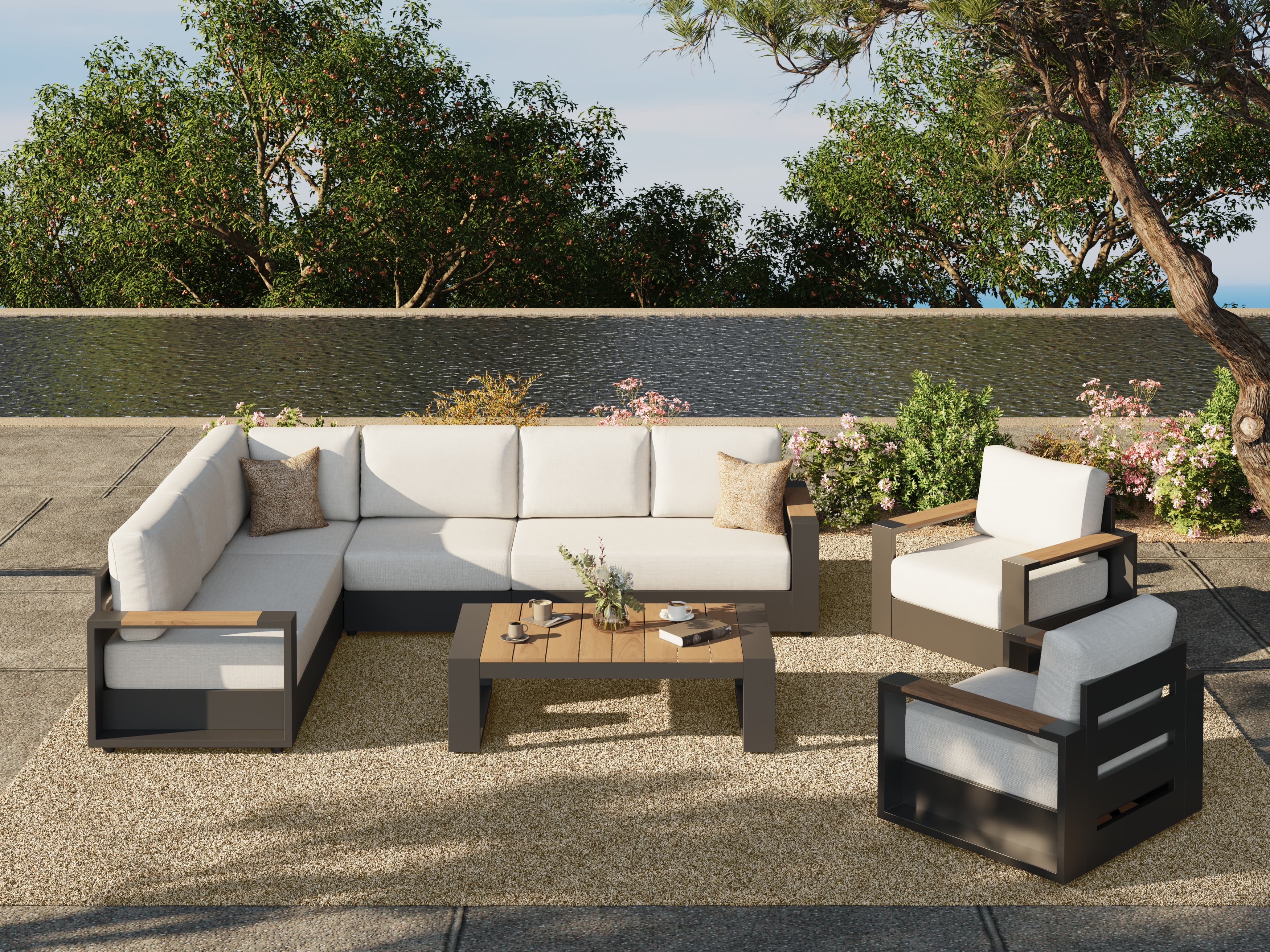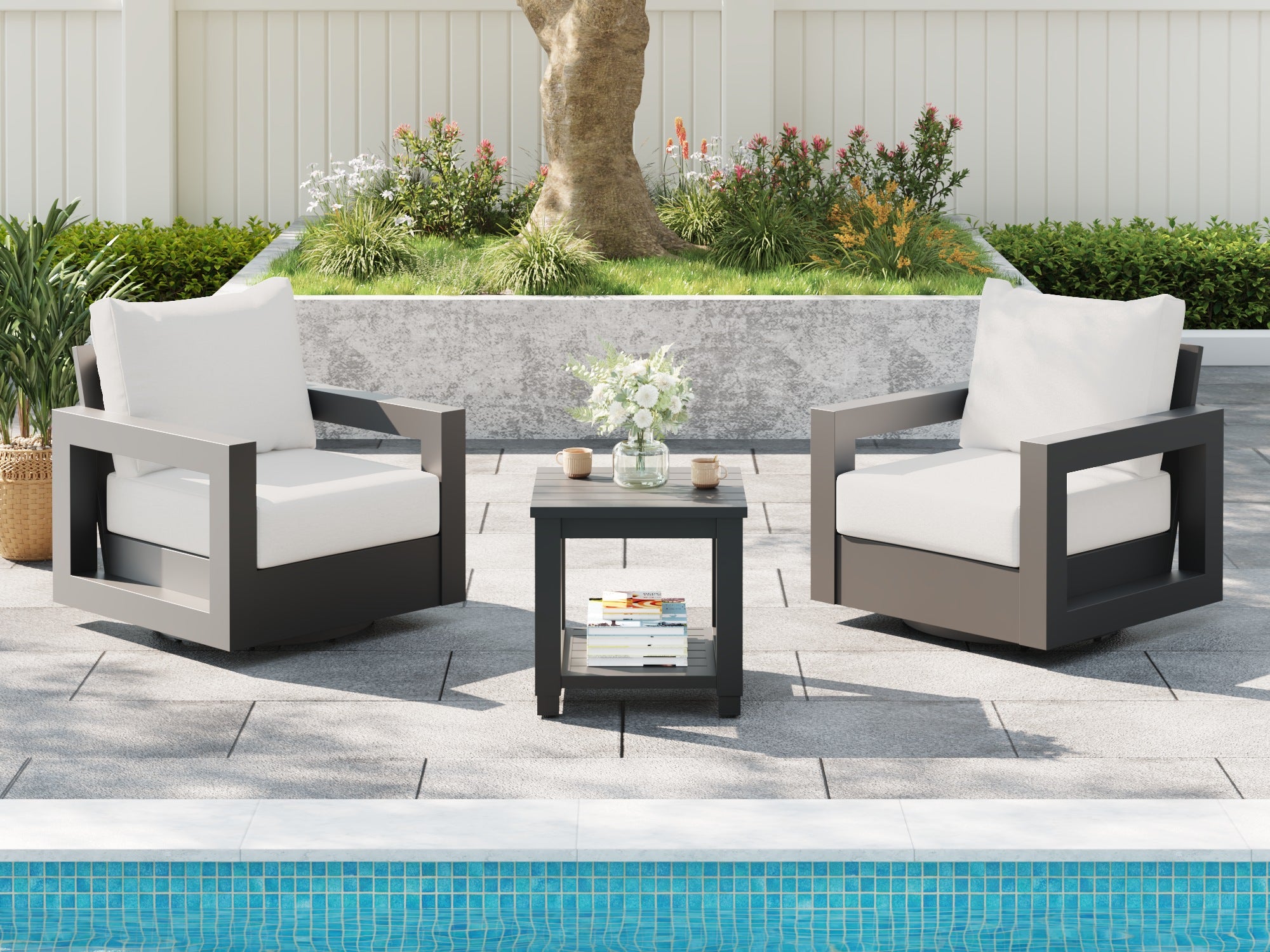

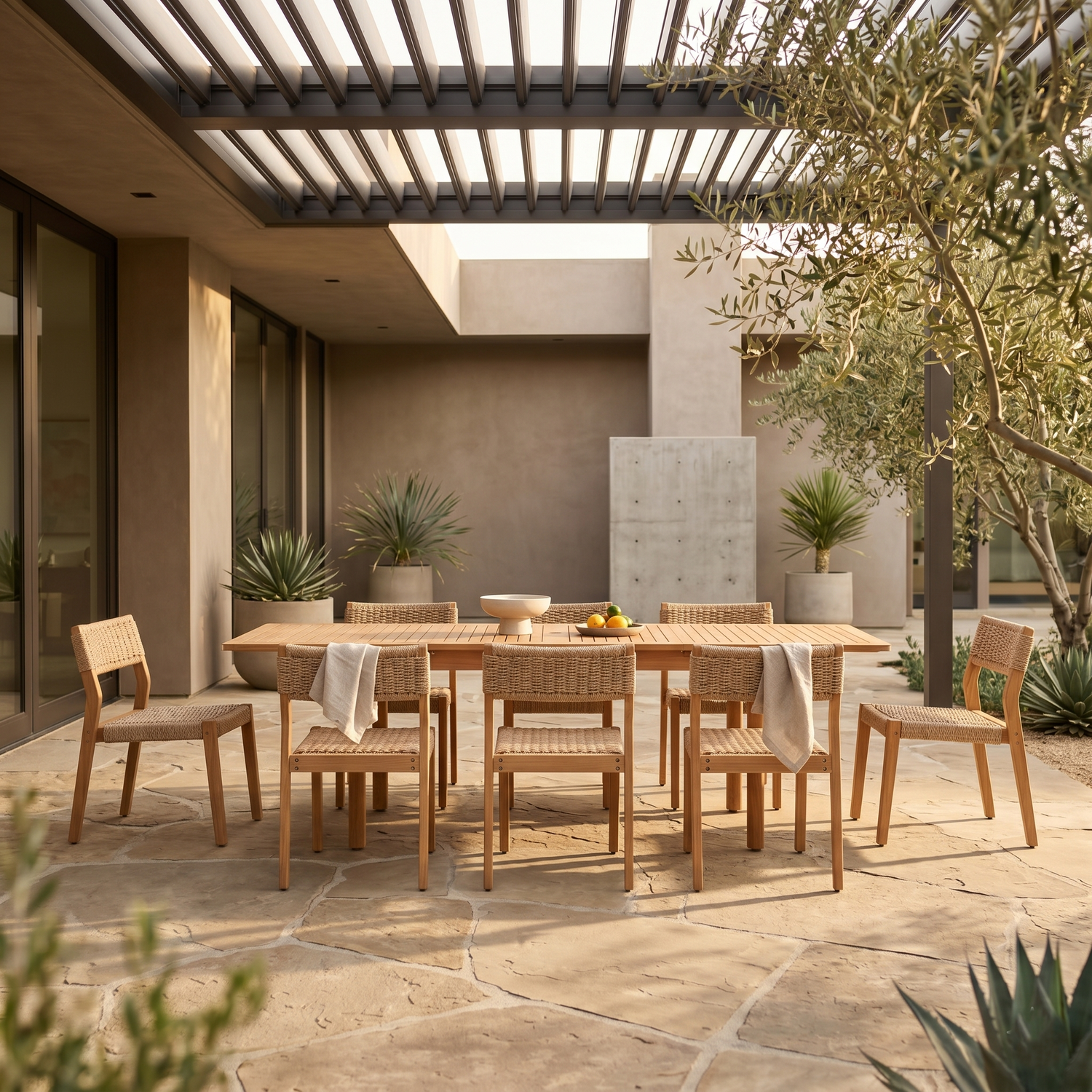
Summer is the season when patios become the heart of outdoor living. Whether you're hosting family dinners, enjoying a morning coffee, or relaxing by the pool, prolonged exposure to intense sunlight can quickly turn a beautiful outdoor space into an uncomfortable one.
Effective patio sun protection is about more than simply blocking UV rays. A well-designed shade strategy can reduce surface temperatures, improve comfort, protect outdoor furniture, and even lower the heat absorbed by nearby buildings.
This guide helps you build a cooler, more enjoyable patio throughout the summer months.
Why Patio Shade Matters?
Direct sunlight affects outdoor spaces in several ways:
- Increases air and surface temperatures
- Causes discomfort from glare and radiant heat
- Accelerates fading and aging of outdoor furniture
- Reduces the usability of patios during peak afternoon hours
- Increases heat gain around adjacent buildings
By strategically introducing shade, homeowners can significantly improve outdoor thermal comfort while extending the lifespan of their outdoor furnishings.
1. Architectural Shade: Using Buildings and Permanent Structures

One of the most effective sources of shade often already exists—the house itself.
Building Walls and Rooflines
Exterior walls naturally block sunlight, creating shaded zones that change throughout the day as the sun moves across the sky.
North-facing patios typically remain cooler during summer, while east-facing patios benefit from morning shade and west-facing areas often experience intense afternoon sun exposure.
Although building shade provides excellent protection, its effectiveness depends on the season and the sun's angle. During summer, high sun angles may limit the shaded area directly adjacent to walls, while lower sun angles in spring and fall create longer shadows.
Pergolas, Pavilions, and Covered Structures

Permanent outdoor structures are among the most reliable ways to create shade.
Popular options include:
- Pergolas
- Gazebos
- Pavilions
- Covered patios
- Outdoor rooms
- Sunrooms
Structures with solid roofs provide the highest level of sun protection, effectively blocking direct solar radiation throughout much of the day.
Pergolas offer a more flexible approach. While their open-roof design allows filtered sunlight to pass through, they can be enhanced with retractable canopies, shade cloths, or climbing plants to increase coverage.
Beyond comfort, these structures also define outdoor living zones and add architectural value to the landscape.
2. Natural Shade: Harnessing the Power of Plants


Plants are one of the most sustainable and visually appealing ways to reduce summer heat.
Unlike hard structures, vegetation not only blocks sunlight but also cools the surrounding air through evapotranspiration—the natural process of releasing moisture into the atmosphere.
Shade Trees
Large canopy trees are often considered nature's air conditioners.
A mature tree can create substantial overhead shade, lowering temperatures beneath its canopy by several degrees compared to areas exposed to direct sunlight.
The effectiveness of tree shade depends on:
- Canopy size
- Tree height
- Branch density
- Species selection
- Planting location
Properly positioned trees can shade patios during the hottest hours of the day while maintaining airflow throughout the garden.
Shrubs, Bamboo, and Vertical Greenery
Shade doesn't always have to come from above.
Large shrubs, bamboo screens, hedges, and living walls can provide valuable side shading, especially during morning and afternoon hours when the sun is lower in the sky.
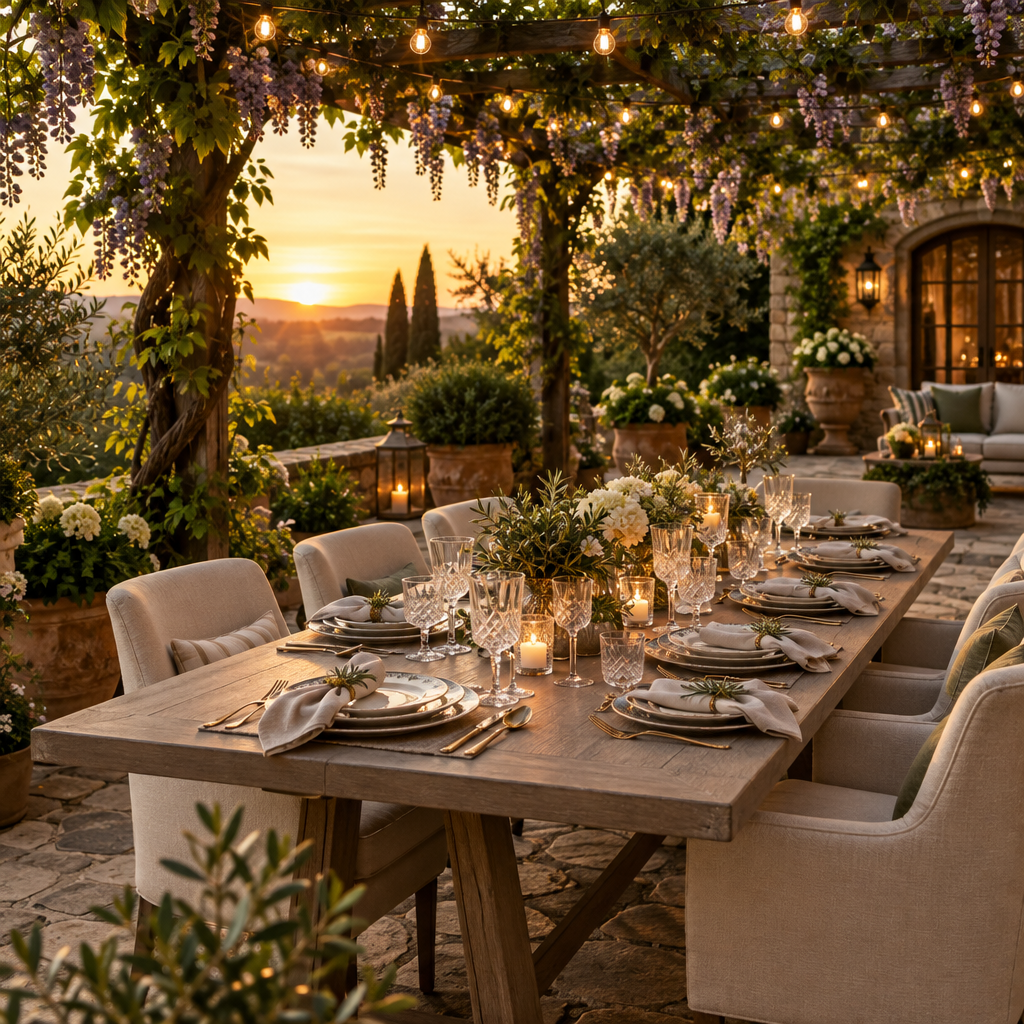
Climbing plants such as wisteria, jasmine, ivy, or grapevines can also transform pergolas into naturally shaded retreats while enhancing the beauty of the landscape.
Long-Term Benefits of Plant-Based Shade
While plants require time to mature, they offer several long-term advantages:
- Natural cooling effects
- Improved privacy
- Enhanced biodiversity
- Reduced glare
- Increased property value
For homeowners planning a permanent outdoor living environment, combining trees and structural shade often delivers the best results.
3. Flexible Shade Solutions: Patio Umbrellas


Not every patio has enough space for large structures or mature trees.
In smaller gardens, terraces, balconies, rooftops, and compact outdoor dining areas, patio umbrellas are often the most practical solution.
Unlike permanent shade elements, umbrellas offer flexibility and adaptability.
Benefits include:
- Immediate sun protection
- Adjustable positioning throughout the day
- Minimal installation requirements
- Cost-effective shade coverage
- Compatibility with dining and lounge furniture
Modern cantilever umbrellas are especially effective because they provide wide coverage without a center pole obstructing seating arrangements.
For outdoor dining areas, market umbrellas installed through table umbrella holes create a clean and functional setup while maximizing usable space.
4. Combine Multiple Shade Layers for Maximum Comfort


The most comfortable outdoor spaces rarely rely on a single shade source.
Professional landscape designers often use a layered shade strategy that combines:
- Architectural shade
- Vegetation
- Movable shade systems
For example, a patio may include:
- A pergola for primary overhead protection
- Trees for seasonal cooling
- Decorative shrubs for side shading
- A patio umbrella for flexible coverage over dining areas
This approach creates shade throughout different times of the day while maintaining visual interest and airflow.
5. Don't Forget Your Outdoor Furniture


Shade planning should also consider furniture protection.
Even premium outdoor materials benefit from reduced UV exposure.
Prolonged sunlight can lead to:
- Cushion fading
- Fabric degradation
- Surface discoloration
- Increased material temperatures
When selecting outdoor furniture, look for weather-resistant materials such as powder-coated aluminum, responsibly sourced teak, and performance fabrics designed for outdoor use.
Positioning furniture under pergolas, umbrellas, or natural shade can significantly extend its lifespan while improving user comfort.

For most homeowners, combining multiple shade strategies creates the most comfortable and functional outdoor environment.
At Jardina, we believe outdoor living should be enjoyed even during the hottest summer months. Our collection of outdoor dining sets, lounge furniture, pergola-friendly seating arrangements, and umbrella-compatible dining tables is designed to help homeowners create stylish, comfortable spaces that stay inviting all season long.
With thoughtful shade planning and quality outdoor furnishings, your patio can become the coolest destination in your backyard this summer.