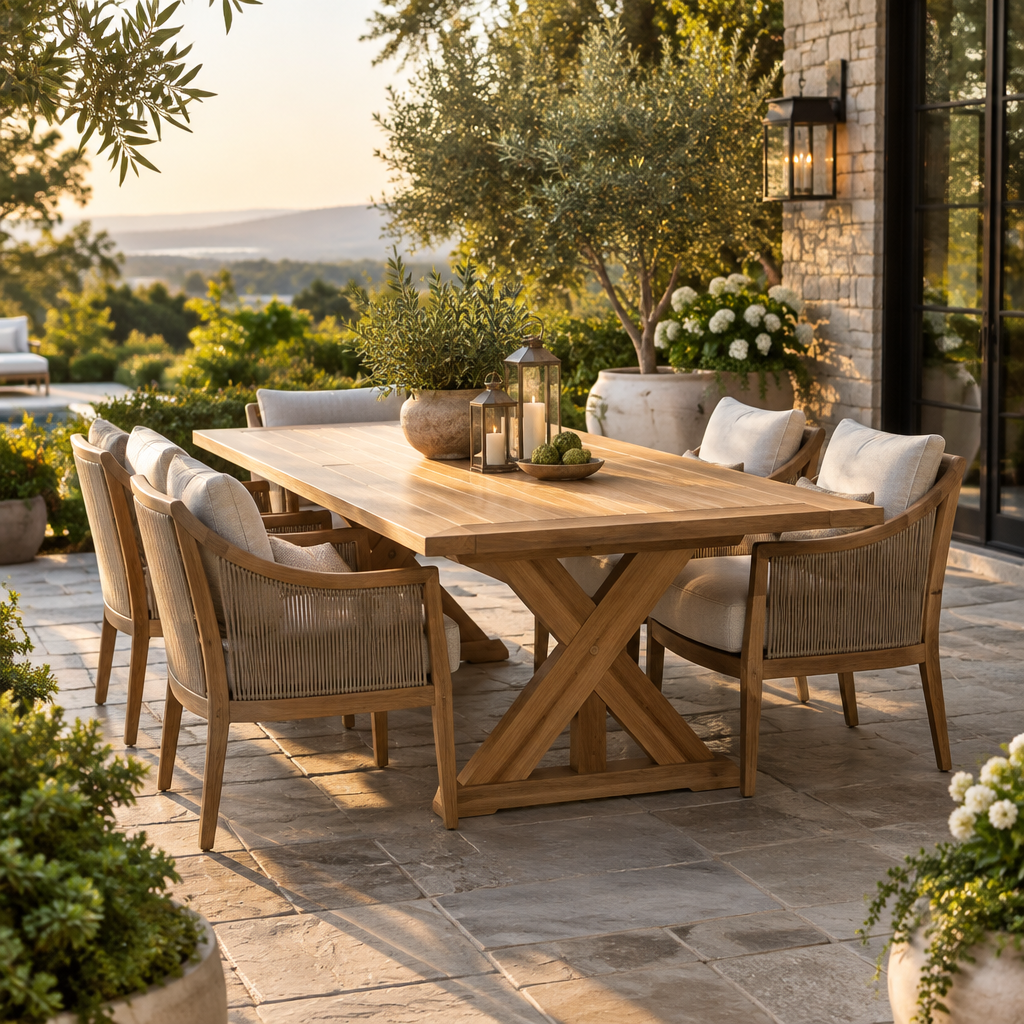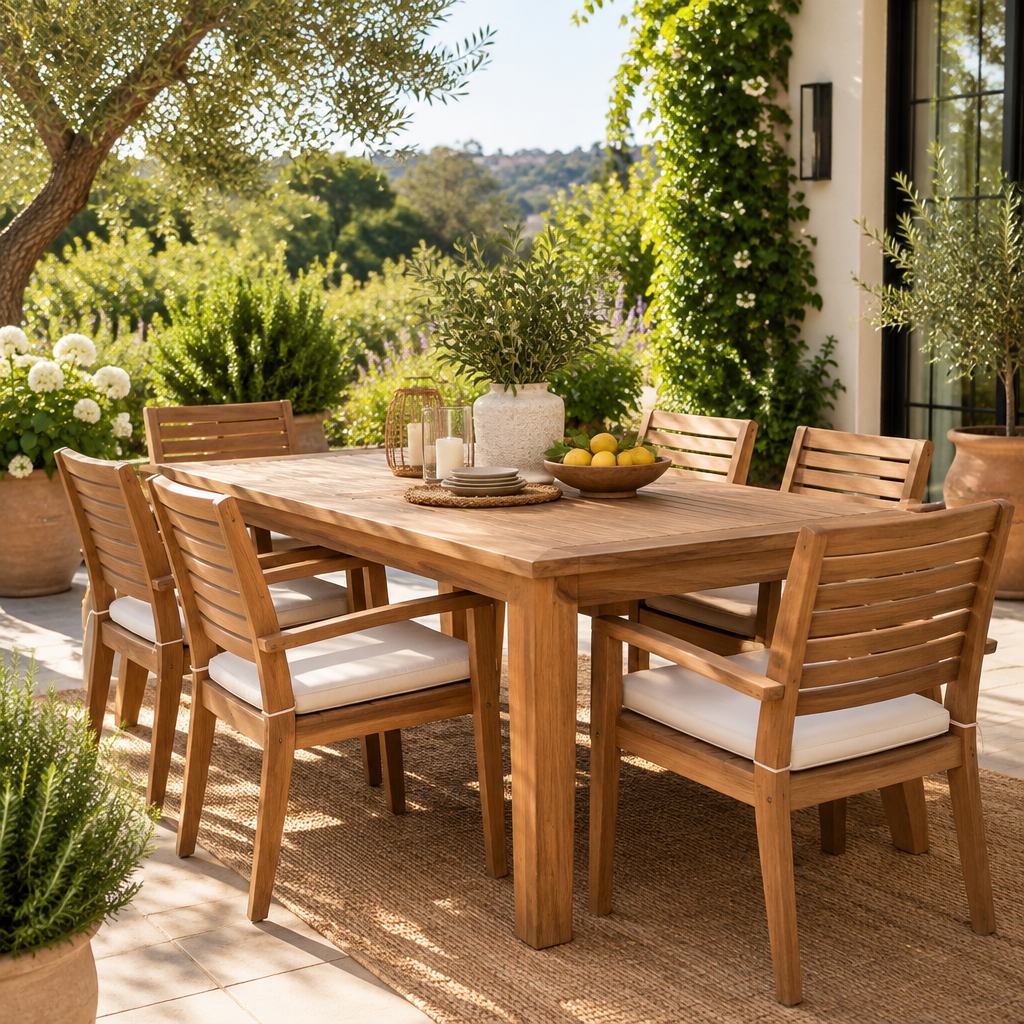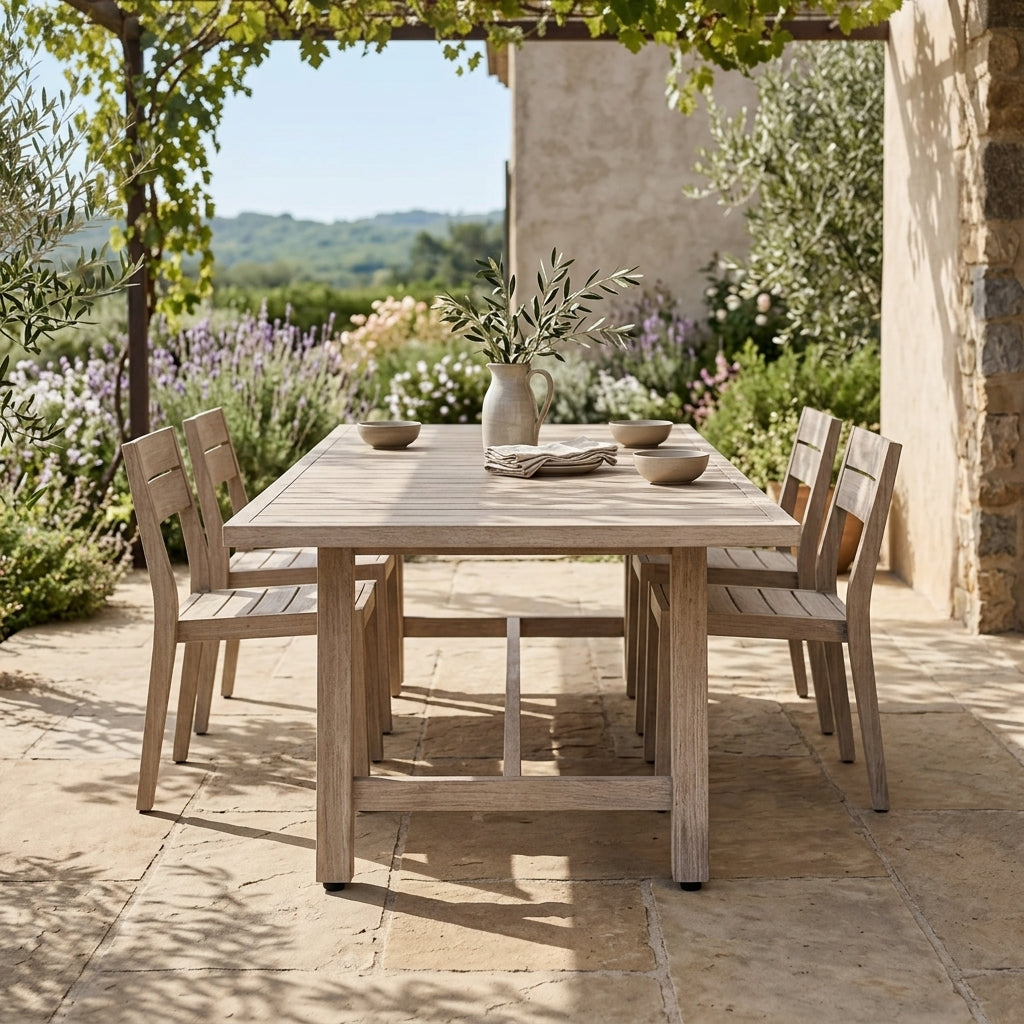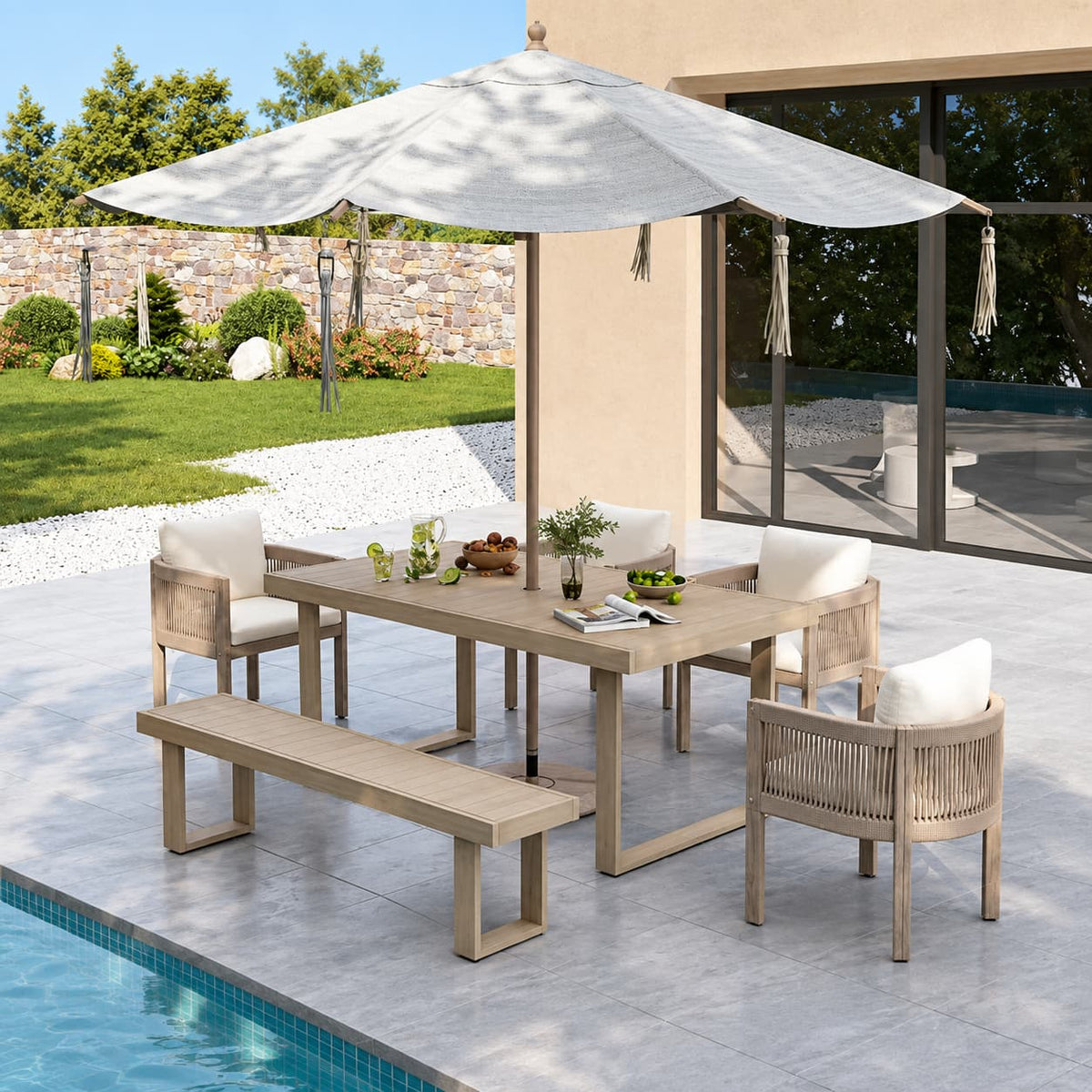

When investing in solid wood furniture, most people focus on the wood species, craftsmanship, or design. But there’s another factor that dramatically affects appearance, durability, maintenance, and long-term aging: the finish.
Among the most popular finishes today are wood wax oil and varnish. Both protect wood, but they create completely different experiences in terms of texture, visual appeal, maintenance, and how the furniture ages over time.
So which one is better for solid wood furniture? The answer depends on what you value most — natural texture, easy maintenance, durability, or timeless aging.
What Is Wood Wax Oil?

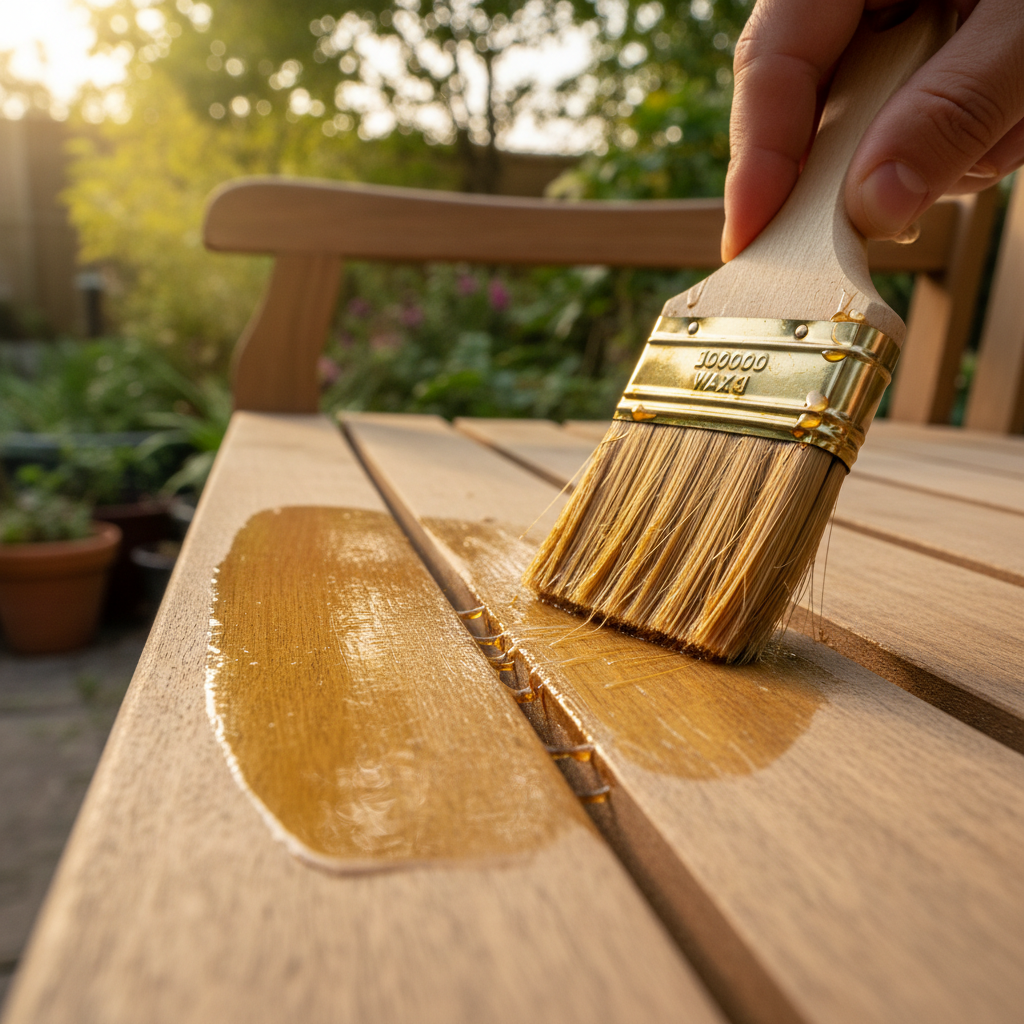
Wood wax oil is a natural wood finish typically made from plant oils and natural waxes. Instead of forming a thick film on the wood surface, it penetrates into the wood fibers and protects the material from within.
Unlike synthetic coatings, wood wax oil allows the wood to “breathe,” preserving its natural touch, grain, and organic beauty.
Key Characteristics of Wood Wax Oil
- Enhances the natural wood grain
- Creates a matte or low-sheen appearance
- Feels warm and natural to the touch
- Environmentally friendly and low in VOCs
- Easy to repair locally without sanding the entire surface
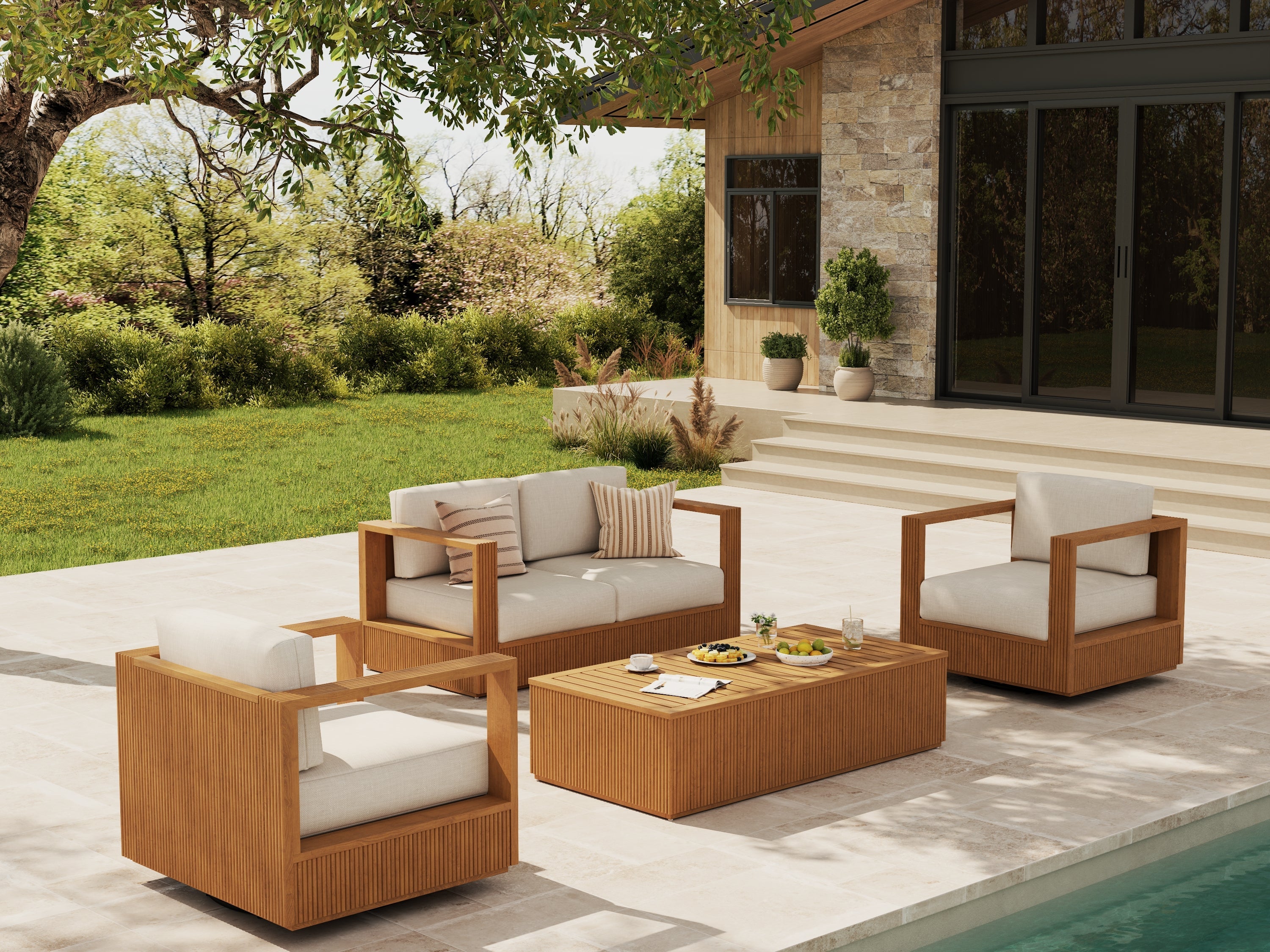
Wood wax oil is especially popular in modern minimalist interiors, Scandinavian furniture, Japanese-style designs, and premium handcrafted wood furniture.
What Is Varnish?

Varnish is a traditional protective coating that forms a sealed layer on the surface of the wood. It is typically made from resins, solvents, and curing agents designed to create a durable barrier against moisture, scratches, and stains.
Depending on the formula, varnish can produce finishes ranging from matte to high gloss.
Key Characteristics of Varnish
- Creates a strong protective surface layer
- Highly resistant to water and stains
- Easier daily cleaning and maintenance
- Available in glossy, satin, or matte finishes
- Offers excellent short-term durability
Varnished furniture is common in dining tables, outdoor furniture, kitchen cabinets, and high-use surfaces where resistance to spills and wear is important.
Wood Wax Oil vs. Varnish: The Core Differences
1. Appearance & Texture
Wood Wax Oil: Natural and Authentic
Wood wax oil preserves the authentic texture of real wood. You can still feel the grain, pores, and warmth of the timber beneath your fingertips.
The finish looks soft, elegant, and organic rather than artificially polished. Over time, the wood develops a rich patina that many furniture enthusiasts appreciate.
Best for:
- Natural aesthetics
- Scandinavian interiors
- Luxury minimalist furniture
- Handmade wood furniture
Varnish: Smooth and Refined
Varnish creates a smooth, sealed coating over the wood surface. The finish often appears more polished and uniform.
Gloss varnishes can make furniture look brighter and more luxurious initially, but they may also reduce the tactile connection to the wood itself.
Best for:
- Formal interiors
- High-gloss furniture
- Families needing easier cleaning
- Commercial applications
2. Durability and Protection
Varnish Offers Stronger Surface Protection
If your furniture faces heavy daily use, varnish generally provides stronger protection against:
- Water spills
- Heat
- Food stains
- Scratches
- UV exposure
This makes varnish a practical choice for dining tables, outdoor furniture, and kitchen surfaces.
However, once the varnish layer is damaged, repairs can become difficult because the entire surface may require sanding and refinishing.
Wood Wax Oil Protects Naturally
Wood wax oil penetrates into the wood instead of sitting on top of it. While it offers good moisture resistance, it is usually less resistant to standing water and sharp scratches compared to varnish.
The advantage is repairability:
- Minor scratches can often be spot-repaired
- Re-oiling restores the finish easily
- Aging appears more natural and even
For many homeowners, this “living finish” becomes more beautiful over time rather than looking worn out.
3. Aging and Oxidation
One of the biggest long-term differences between these finishes is how they age.
The Oxidation Problem with Varnish
Over time, some varnishes can oxidize and yellow, especially under sunlight or changing temperatures. This may cause:
- Loss of clarity
- Uneven color shifts
- Reduced natural wood appearance
- Cracking or peeling after many years
Once deterioration begins, restoration often requires professional refinishing.
Wood Wax Oil Ages More Naturally
Wood wax oil tends to age gracefully with the wood itself. Instead of peeling or cracking, the surface slowly develops character and depth.
Many premium furniture brands prefer oil-based finishes precisely because they allow wood to mature naturally rather than trapping it beneath a synthetic layer.
4. Maintenance and Repair
Varnish: Easier Daily Cleaning
Varnished surfaces are generally easier to wipe clean with minimal maintenance. Dust, spills, and stains sit on the coating rather than penetrating the wood.
However:
- Deep scratches are difficult to fix
- Peeling cannot be spot repaired easily
- Refinishing may require sanding the entire piece
Wood Wax Oil: More Maintenance, Better Longevity
Wood wax oil requires occasional maintenance oiling, especially for frequently used furniture.
But the process is simple:
- Clean the surface
- Apply additional oil
- Buff lightly
No large-scale refinishing is typically required.
5. Environmental Impact
Wood Wax Oil Is More Eco-Friendly
Natural wood wax oils are often:
- Low VOC
- Plant-based
- Safer for indoor air quality
- More sustainable
This makes them popular in eco-conscious homes and wellness-oriented interiors.
Traditional Varnish May Contain More Chemicals
Some varnishes contain solvents and synthetic chemicals that release VOCs during curing.
Although modern water-based varnishes are much safer than older formulas, environmentally conscious buyers often still prefer natural oil finishes.
Which Finish Is Better for Solid Wood Furniture?

The answer depends on your priorities.
Choose Wood Wax Oil If You Want:
- A natural wood feel
- Visible grain and texture
- Eco-friendly materials
- Furniture that ages beautifully
- Easier long-term repairability
- A premium handcrafted aesthetic
Choose Varnish If You Want:
- Stronger stain resistance
- Easier daily cleaning
- High-gloss finishes
- Better water resistance
- Lower routine maintenance
- Maximum short-term durability

For outdoor furniture, regular maintenance is far more important than simply choosing between varnish or wood wax oil.
One common issue homeowners face is that repaired or newly coated areas may not perfectly match the original wood color. This is completely normal, especially with solid wood exposed to outdoor environments, as sunlight, moisture, and oxidation naturally change the wood tone over time. To minimize visible color differences, it’s recommended to use the same type of finish consistently, test the product on a small hidden area first, and perform regular maintenance rather than waiting until the surface becomes severely weathered. With proper care, solid wood outdoor furniture can maintain its beauty, texture, and durability for many years.