
Introduction
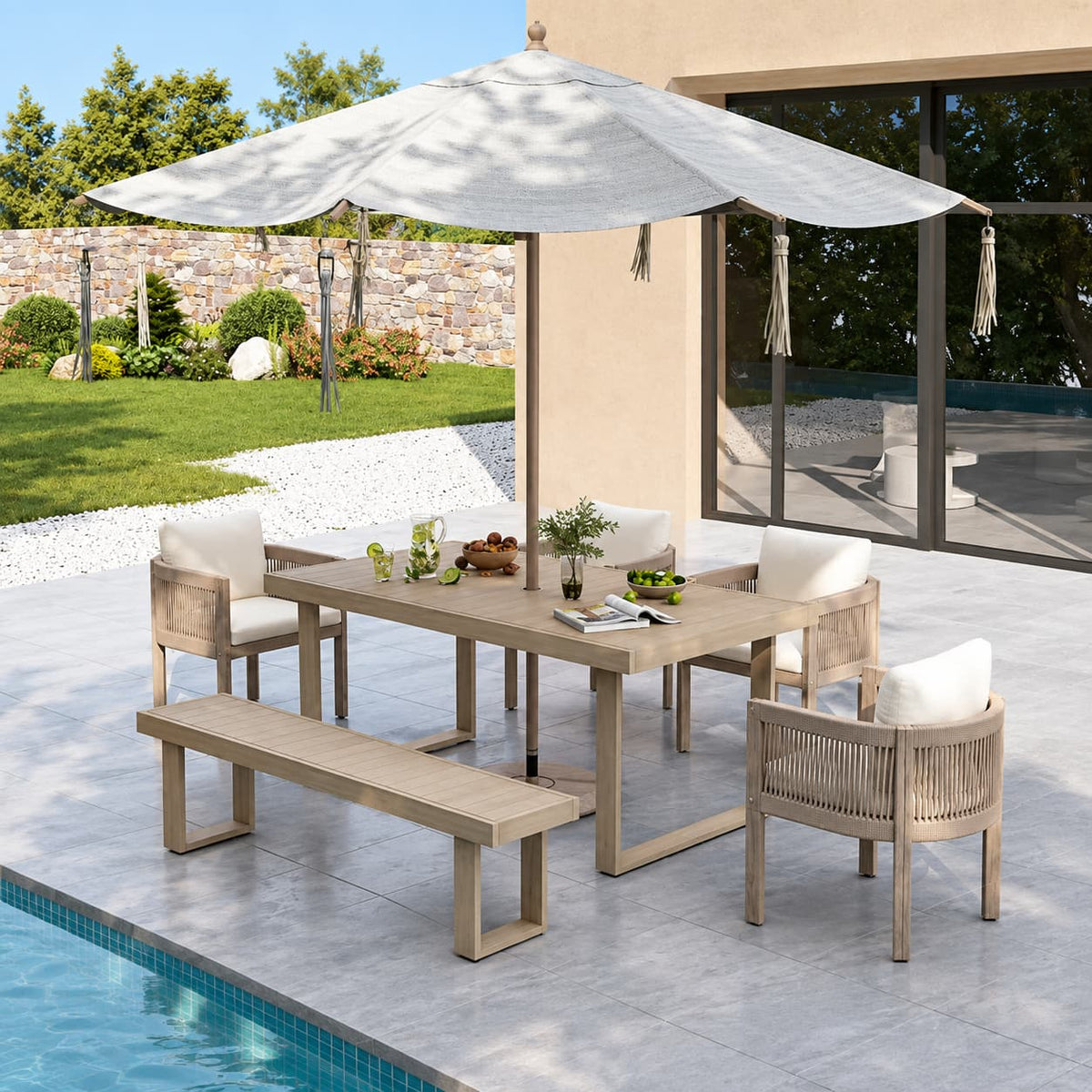
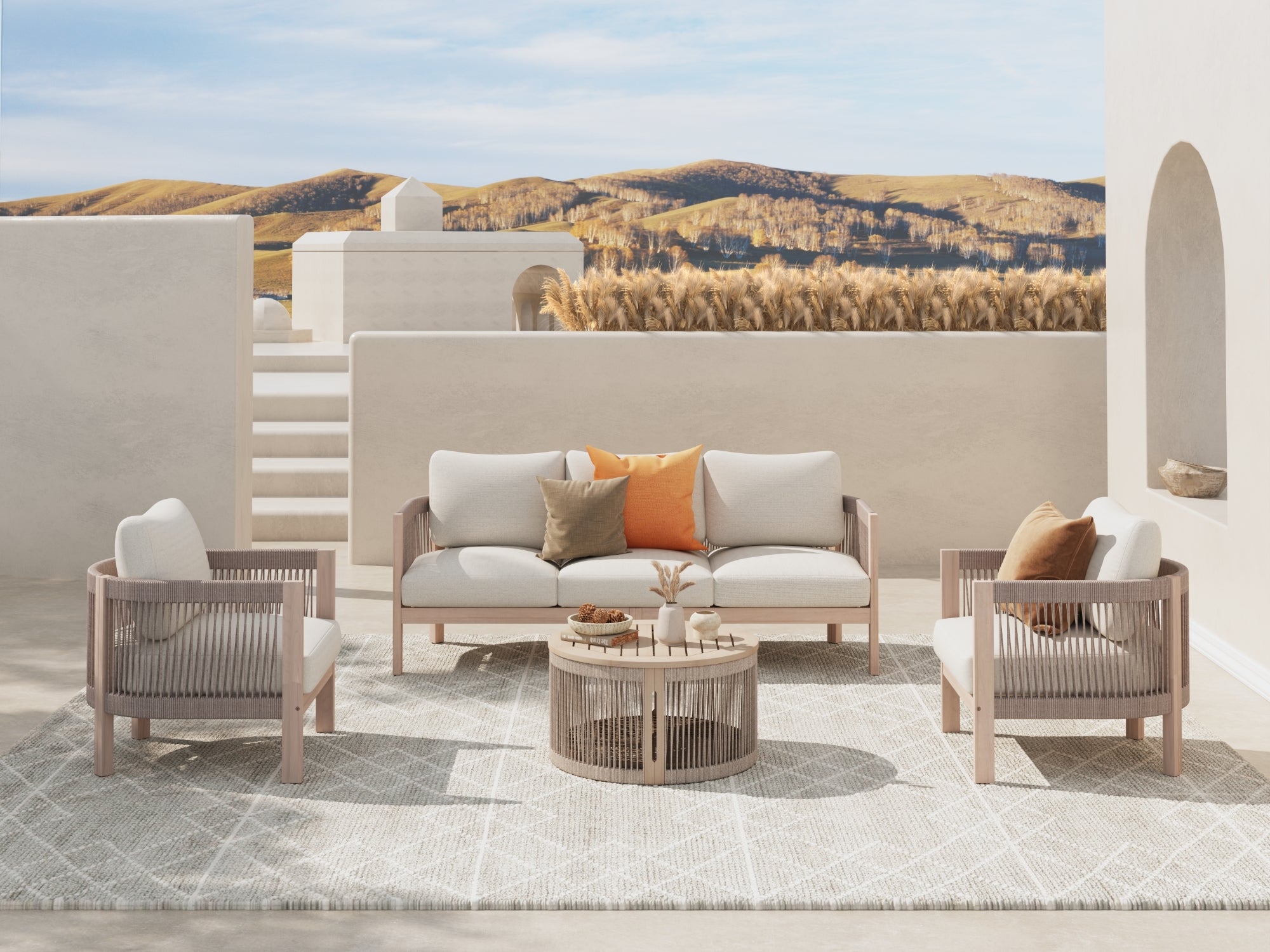
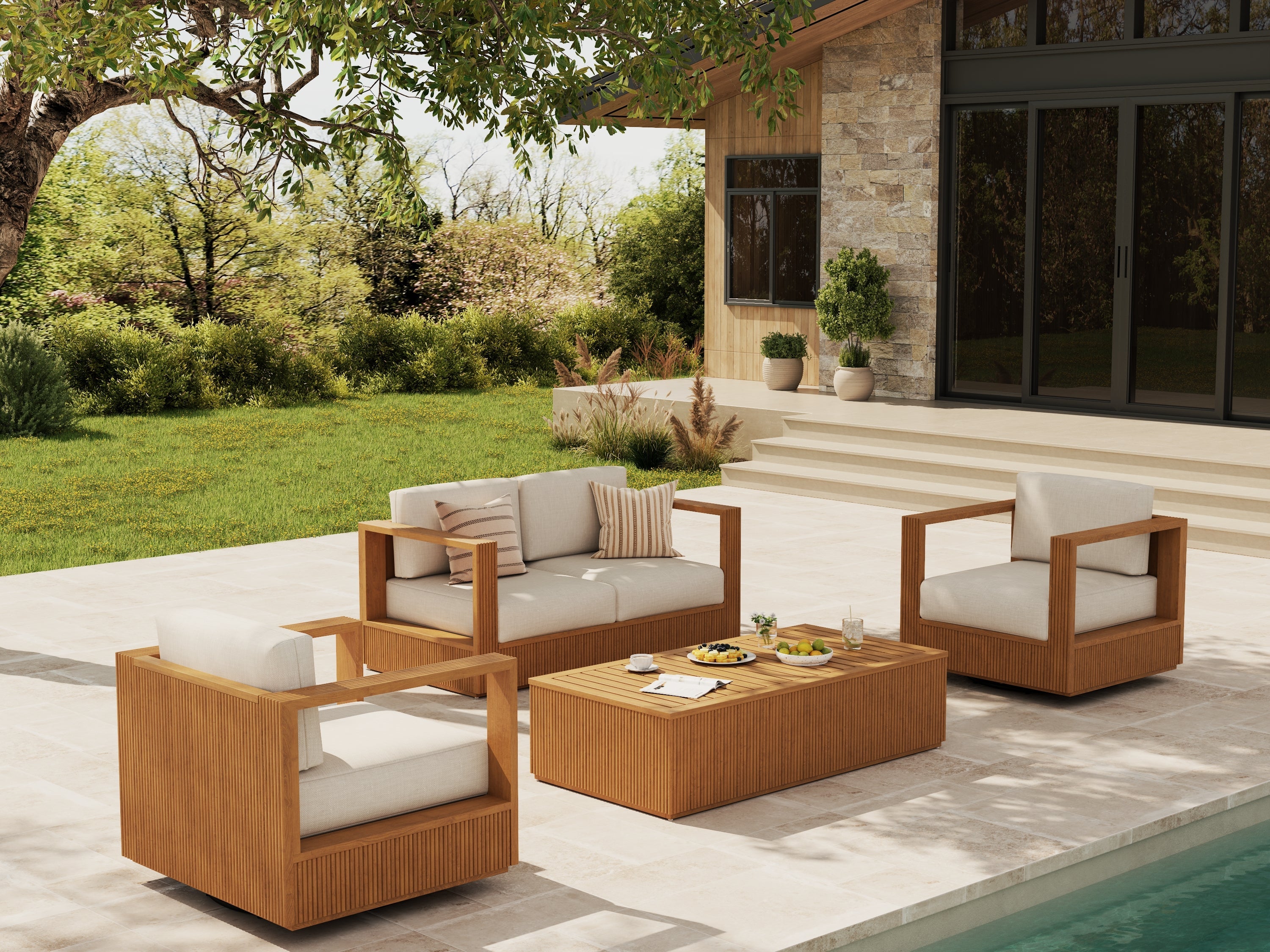
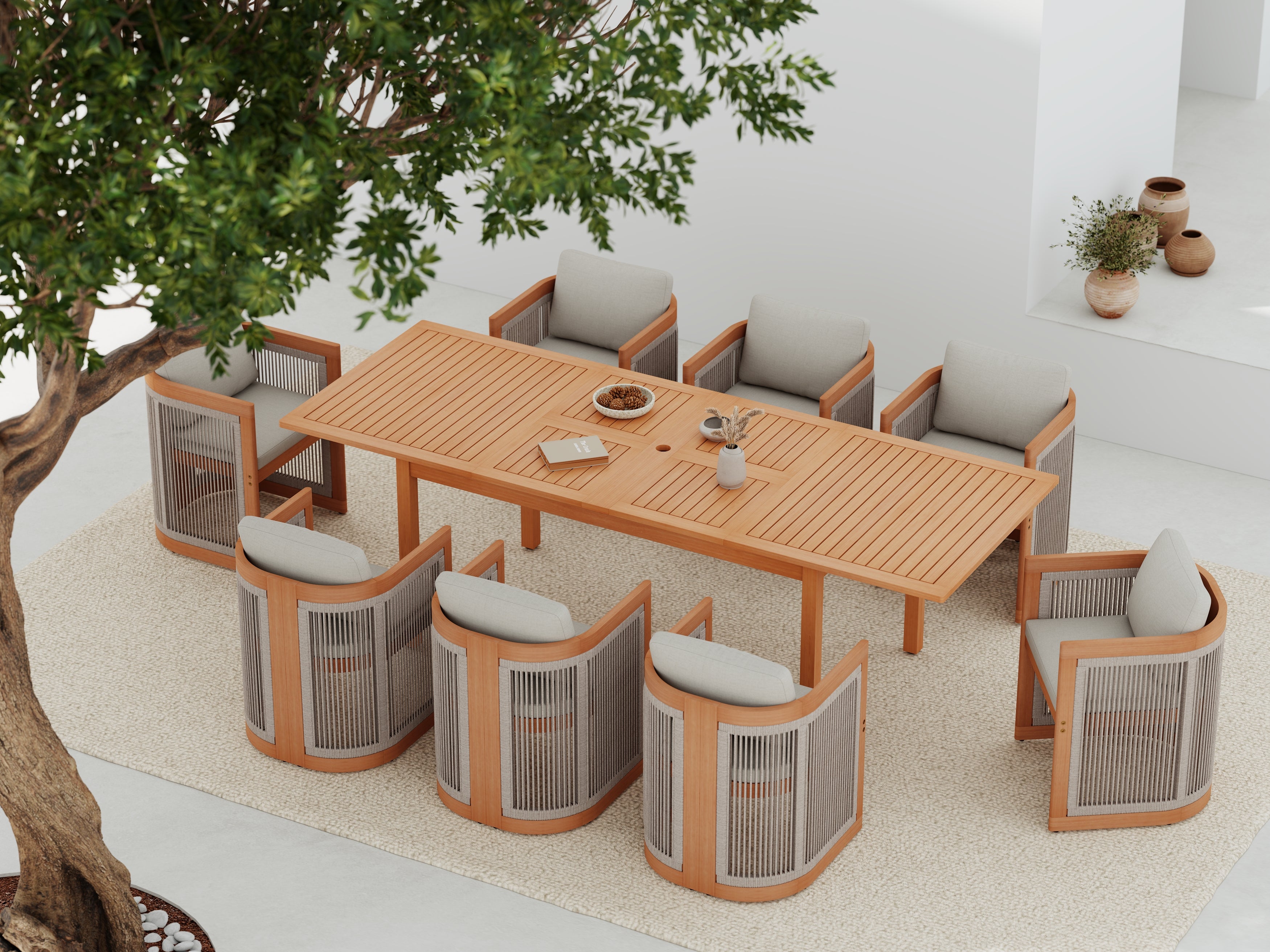
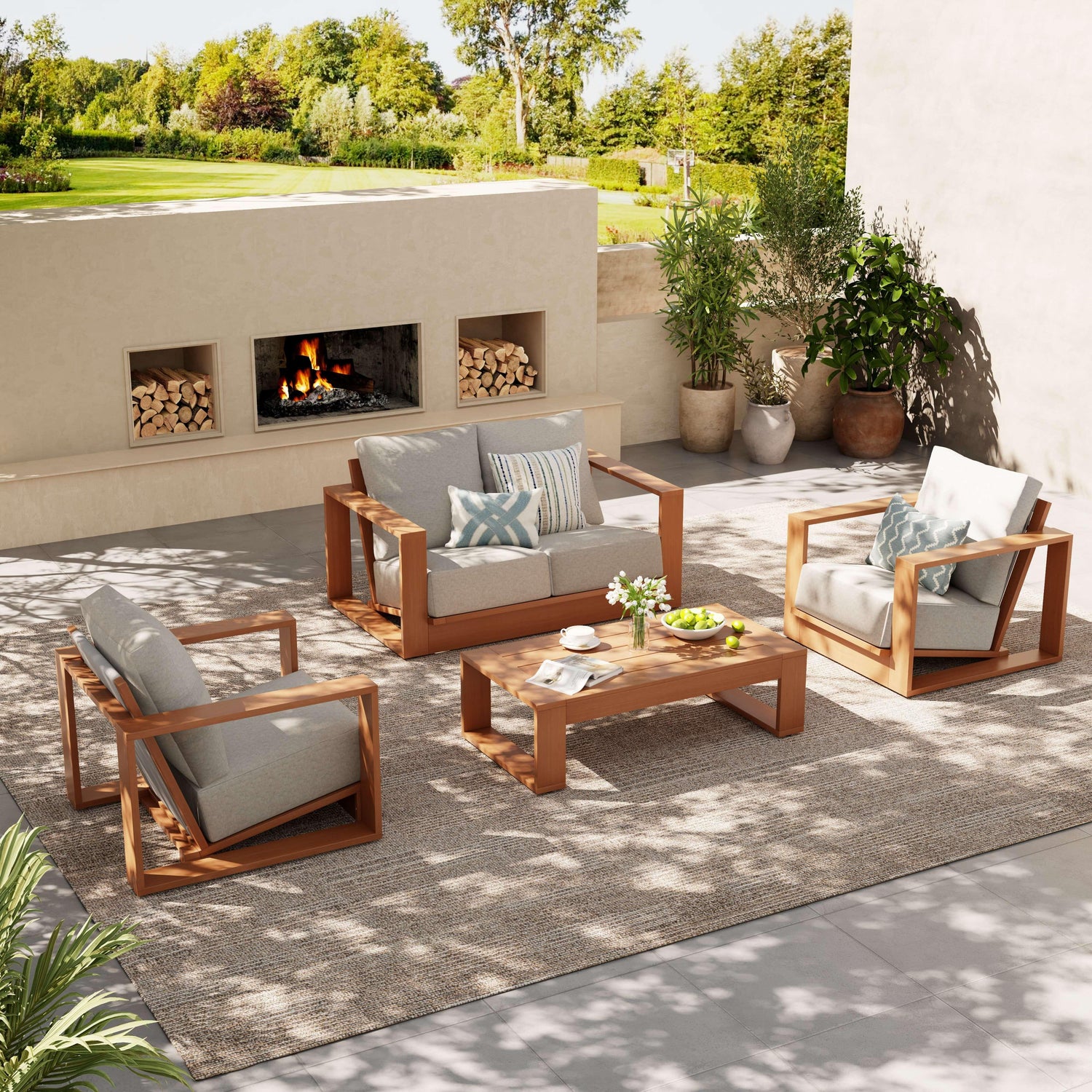
Acacia wood is a popular choice for outdoor and indoor furniture due to its natural beauty, durability, and attractive grain patterns. To maximize the lifespan of your acacia wood products (such as dining tables, chairs, and patio sets) and maintain their appearance, proper maintenance is essential—especially in North America’s diverse climate conditions. This guide provides step-by-step care instructions tailored to different climate zones, common issues, and troubleshooting tips, ensuring your acacia wood furniture stays in excellent condition for years.
Key Notes Before Maintenance
- Acacia wood products are available with the common three surface treatments: teak finish, wood wax oil coating, and paint coating. All these items demand regular maintenance and protection when used outdoors. Prolonged exposure to the elements without proper protection will lead to issues such as discoloration, warping, cracking and fading.
- For outdoor use: Partial shade or covered areas (e.g., covered patios, sunrooms, pergolas) are highly recommended. Full outdoor exposure without protection is not suitable, especially in high-humidity regions.
- Use only acacia-specific or outdoor wood-compatible maintenance products. Avoid harsh chemicals (e.g., bleach, strong detergents) that damage the wood and finish.
- Maintenance frequency varies by climate zone—follow the guidelines for your region below for optimal results.
Climate-Specific Maintenance Guidelines (North America)
Western Dry Zone (AZ, CO, CA, TX; Western BC, Canada)
Climate Features: High temperature, low humidity, and strong UV radiation.
Routine Maintenance
- Cleaning: Wipe the surface with a soft, damp cloth monthly to remove dust, dirt, and debris. For tough stains, use a mild soap diluted in water, then dry thoroughly with a clean cloth to prevent water spots.
- Protection: Apply acacia wood protective oil every 6–12 months. Use a brush or clean cloth to spread the oil evenly, following the wood grain. Allow it to absorb for 2–4 hours, then wipe off excess oil. This protects against UV damage and prevents the wood from drying out and cracking.
- Additional Tips: Use a UV-resistant cover during peak summer months to reduce direct sun exposure. Avoid placing hot items (e.g., grills, hot dishes) directly on the wood surface to prevent scorching.
Expected Lifespan: 3–7 years with basic protection and partial shade.
Eastern High-Humidity Zone (ON, QC, Canada; NY, NJ, PA, OH, US)
Climate Features: High humidity, alternating low temperatures, and frequent rainfall.
Routine Maintenance
- Cleaning: Clean the surface every 2–3 weeks with a damp cloth and mild soap. Ensure the wood is completely dry after cleaning to prevent mold, mildew, or warping. For mold spots, mix equal parts water and white vinegar, wipe gently, then rinse and dry.
- Protection:
- Apply acacia wood protective oil every 3–6 months to maintain water resistance.
- Use an anti-swelling agent annually to reduce wood expansion and warping caused by high humidity. Apply it before the rainy season for best results.
- Additional Tips: Use a waterproof cover when it rains or snows. Move furniture indoors or to a fully covered area during winter to avoid frost damage. Ensure proper ventilation around the furniture to reduce moisture buildup.
Expected Lifespan: 2–5 years with basic protection and partial shade.
Southern High-Temperature & High-Humidity Zone (FL, GA, NC, SC, US; Gulf Coast)
Climate Features: High temperature, high humidity, and salt spray (coastal areas).
Routine Maintenance
- Cleaning: Clean weekly with a damp cloth and mild soap to remove salt residue, dust, and sweat. For coastal areas, rinse the surface with fresh water monthly to wash away salt buildup, then dry thoroughly.
- Protection:
- Apply acacia wood protective oil every 2–3 months to combat humidity and salt damage.
- Use a salt-spray resistant sealant annually for coastal locations, following the product instructions for application.
- Additional Tips: Keep furniture in partial shade to avoid extreme heat. Avoid contact with pool water or sunscreen, as these can stain or damage the finish—wipe up spills immediately.
Expected Lifespan: 2–4 years with basic protection and partial shade.
Central Temperate Zone (IL, IN, MI, US; Manitoba, Canada)
Climate Features: Distinct four seasons, moderate humidity, and moderate temperature fluctuations.
Routine Maintenance
- Cleaning: Clean monthly with a damp cloth and mild soap. In spring and fall, do a deep clean to remove pollen and fallen leaves, then dry tahoroughly.
- Protection: Apply acacia wood protective oil every 4–8 months. Before winter, apply an extra coat of oil and use a waterproof cover to protect against cold, snow, and moisture.
- Additional Tips: Move furniture to a covered area during extreme weather (e.g., heavy snow, thunderstorms). Sand minor scratches gently with fine-grit sandpaper, then reapply protective oil to restore the finish.
Expected Lifespan: 3–6 years with basic protection and partial shade.
Indoor Acacia Wood Maintenance
For acacia wood furniture used indoors (e.g., dining tables, desks):
- Dust weekly with a soft cloth to prevent dust buildup.
- Avoid placing near heating vents or air conditioners, as dry air can cause the wood to crack. Use a humidifier in dry seasons to maintain optimal humidity (40–60%).
- Wipe up spills immediately with a clean, dry cloth to prevent staining.
- Apply protective oil once a year to maintain the wood’s luster and prevent drying.
Common Issues & Troubleshooting
|
Common Issue |
Cause |
Solution |
|
Warping |
Unprotected exposure to high humidity, rain, or extreme temperature changes. |
1. Move the furniture to a dry, well-ventilated area. 2. Apply anti-swelling agent and protective oil. 3. For severe warping, contact professional furniture repair services. |
|
Fading |
Prolonged direct sun exposure without UV protection. |
1. Sand the surface lightly with fine-grit sandpaper. 2. Apply UV-resistant protective oil or varnish. 3. Use a sunshade or cover to reduce direct sunlight. |
|
Cracking |
Dry air, insufficient protection, or impact damage. |
1. Fill small cracks with wood filler matching the acacia wood color. 2. Sand smooth after drying, then apply protective oil. 3. For large cracks, seek professional repair. |
|
Mold/Mildew |
High humidity and poor ventilation. |
1. Clean with a mixture of water and white vinegar (1:1 ratio). 2. Rinse and dry thoroughly. 3. Improve ventilation and apply protective oil to prevent recurrence. |
|
Scratches |
Daily use, pet claws, or sharp objects. |
1. For minor scratches, apply a wood touch-up pen matching the finish. 2. For deeper scratches, sand lightly, then reapply protective oil. |
Storage Tips for Long Periods
- Clean the furniture thoroughly and apply a fresh coat of protective oil before storage.
- Store in a dry, well-ventilated area (e.g., garage, basement) away from moisture and extreme temperatures.
- Use a breathable furniture cover to protect against dust and debris—avoid plastic covers, as they trap moisture.
- For disassemblable furniture, disassemble and store parts separately to prevent warping or damage. Keep hardware in a labeled bag for easy reassembly.
Recommended Products for Maintenance
- Acacia Wood Protective Oil (same as North American big box stores like Home Depot/Lowe’s)
- Anti-Swelling Agent for Wood (for high-humidity zones)
- Salt-Spray Resistant Sealant (for coastal areas)
- Mild Dish Soap (for cleaning)
- Soft Brushes, Microfiber Cloths (for application and cleaning)
- Waterproof, UV-Resistant Furniture Cover
Final Reminder
Regular maintenance is the key to extending the life of your acacia wood furniture. By following the climate-specific guidelines and addressing issues promptly, you can enjoy the natural beauty and functionality of your furniture for years. For further assistance, contact our North American customer service team (English support available) or refer to the product manual.